Ganesh Chaturthi 2026: Why Devotees Send Wedding Invitations to Ranthambore’s Trinetra Ganesh Temple
Perched atop the 1000-year-old Ranthambore Fort in Rajasthan, the ancient Trinetra Ganesh Temple receives thousands of wedding cards from across the globe every day. Here is the legend behind this sacred tradition.

- Virgin Galactic’s spacecraft will be used for the suborbital flight.
- The space tourism package is priced at USD 760,337.07.
- Devotees from across India send wedding cards to Trinetra Ganesh Ji before any wedding.
The Sacred Legend Behind the Tradition
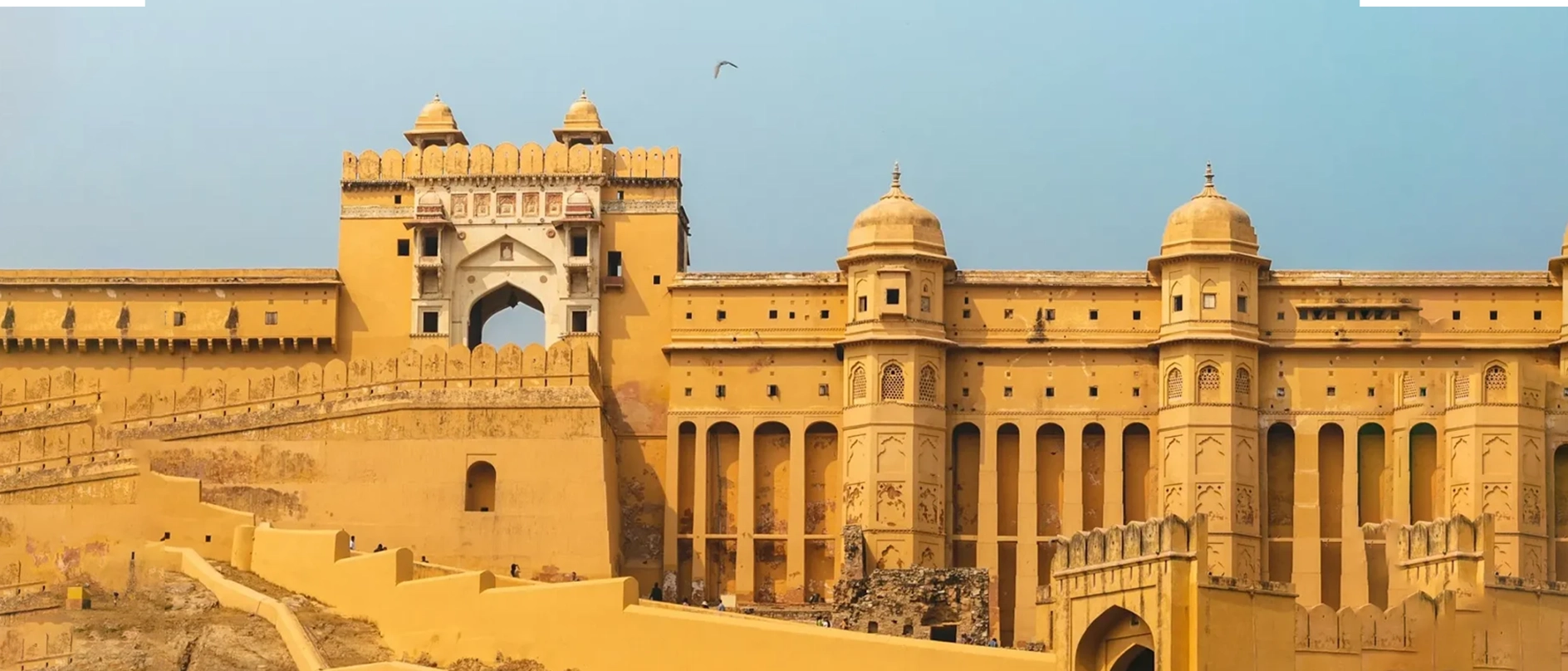
Nestled within the rocky ramparts of the 10th-century Ranthambore Fort in Rajasthan's Sawai Madhopur district, the Trinetra Ganesh Temple stands as one of India's most unique places of worship.
Every single day, thousands of wedding invitation cards arrive at the temple from devotees spread across India and the diaspora. The faithful believe that Lord Trinetra Ganesh, the divine First Guest, must be invited first before any earthly guest can be called to attend a wedding.
How Does the Invitation Tradition Work?
The process is both simple and deeply touching. Families address a formal printed wedding card to Shri Trinetra Ganesh Ji, Ranthambore Fort, Sawai Madhopur, Rajasthan – 322001.
During Ganesh Chaturthi, this flow surges into a tsunami of envelopes. In 2025 alone, the temple received over 4.2 lakh invitation cards during the ten-day festival period.
How to Visit the Trinetra Ganesh Temple
The Trinetra Ganesh Temple sits inside Ranthambore Fort, a UNESCO World Heritage Site. To reach it, visitors enter through the main fort gate and climb a steep pathway through three successive fortified gateways.
FAQs (Frequently Asked Questions)
The peak season for most parts of India is from October to March when the winter climate is pleasantly cool and dry. Hill stations in the Himalayas are best visited between April and June, while monsoon travel (July to September) offers lush green landscapes in places like Kerala and Goa.
Yes, certain border and tribal areas (such as parts of Ladakh, Sikkim, Arunachal Pradesh, and the Andaman Islands) require an Inner Line Permit (ILP) or Protected Area Permit (PAP). You can obtain these online or through registered local tour operators.
Pack breathable cotton or linen clothing, comfortable walking shoes for palace and fort explorations, sun protection (sunglasses, hat, sunscreen), modest attire for temple visits covering shoulders and knees, and a light jacket for cooler desert or mountain evenings.
You can book authorized government-approved guides at major monument ticket desks, through luxury hotel concierges, or via verified local experiential travel platforms recommended by Discover India.