
What Lies Beyond Goa’s Beaches? A Wild Trail Through Chorao
Beyond Goa’s famous beaches lies a quieter, wilder world of mangroves, tidal waterways and khazan wetlands, where otters slip through the reeds, birds fill the air and centuries-old water landscapes reveal another side of the state.


- Where: Chorao Island, Panaji and the surrounding wetlands of Goa
- Best for: Wildlife watching, birding, kayaking, walking and slow adventure
- Wildlife: Smooth-coated otters, mangrove birds, mudskippers, fiddler crabs, crocodiles and other wetland species
- Signature landscape: Goa’s khazan system—engineered coastal wetlands integrating agriculture, aquaculture and tidal-water management
- Getting there: Chorao is accessible by ferry from Ribandar; the Goa River Navigation Department currently lists frequent services on the route.
What if Goa’s wildest adventure is nowhere near the beach?
It is the middle of a balmy afternoon in Goa, and a breeze takes the edge off the heat as I work my way through the mangroves of Chorao Island. I am here in search of one of Goa’s more elusive residents: the smooth-coated otter (Lutrogale perspicillata), an adaptable species that has made its home in the island’s brackish waterways and human-managed wetland landscape.
Bird calls ripple through the mangroves. A heron lifts off the water, while tiny movements in the shallows hint at fish and other creatures beneath the surface. With me is ecologist Dr Katrina Fernandez, Chief Ecologist at Wild Otters Research, a Goa-based organisation that studies otters and their habitats. The organisation’s work includes monitoring otter populations and understanding how these animals adapt to mangrove and wetland environments.
The challenge is spotting an otter. Smooth-coated otters are elusive and spend much of their time in or close to water. Chorao, however, offers an unusual setting for them: a human-dominated landscape of mangroves, waterways, fields and bunds. Research has documented their presence throughout the island, offering a fascinating glimpse into how wildlife can adapt to changing habitats.

Why Goa’s khazan wetlands are worth exploring
The real surprise here is that the landscape is not simply wild. Much of it has been shaped by generations of local water and land management. Goa’s khazan system consists of low-lying coastal wetlands where bunds, canals and sluice gates regulate tidal water, allowing communities to combine farming, fishing, aquaculture and, in some places, salt production.
On Chorao and elsewhere, these wetlands have become habitats for an extraordinary mix of wildlife. Crocodiles, otters, mongooses, monitor lizards, birds and mudskippers can all be found in the wider khazan landscape. The result is an ecosystem where human engineering and natural processes have become deeply intertwined.
Rather than treating the khazans simply as backwaters, a walk, guided nature outing or responsible kayaking experience reveals them as living landscapes—part agricultural heritage, part wildlife habitat and part water-management system.
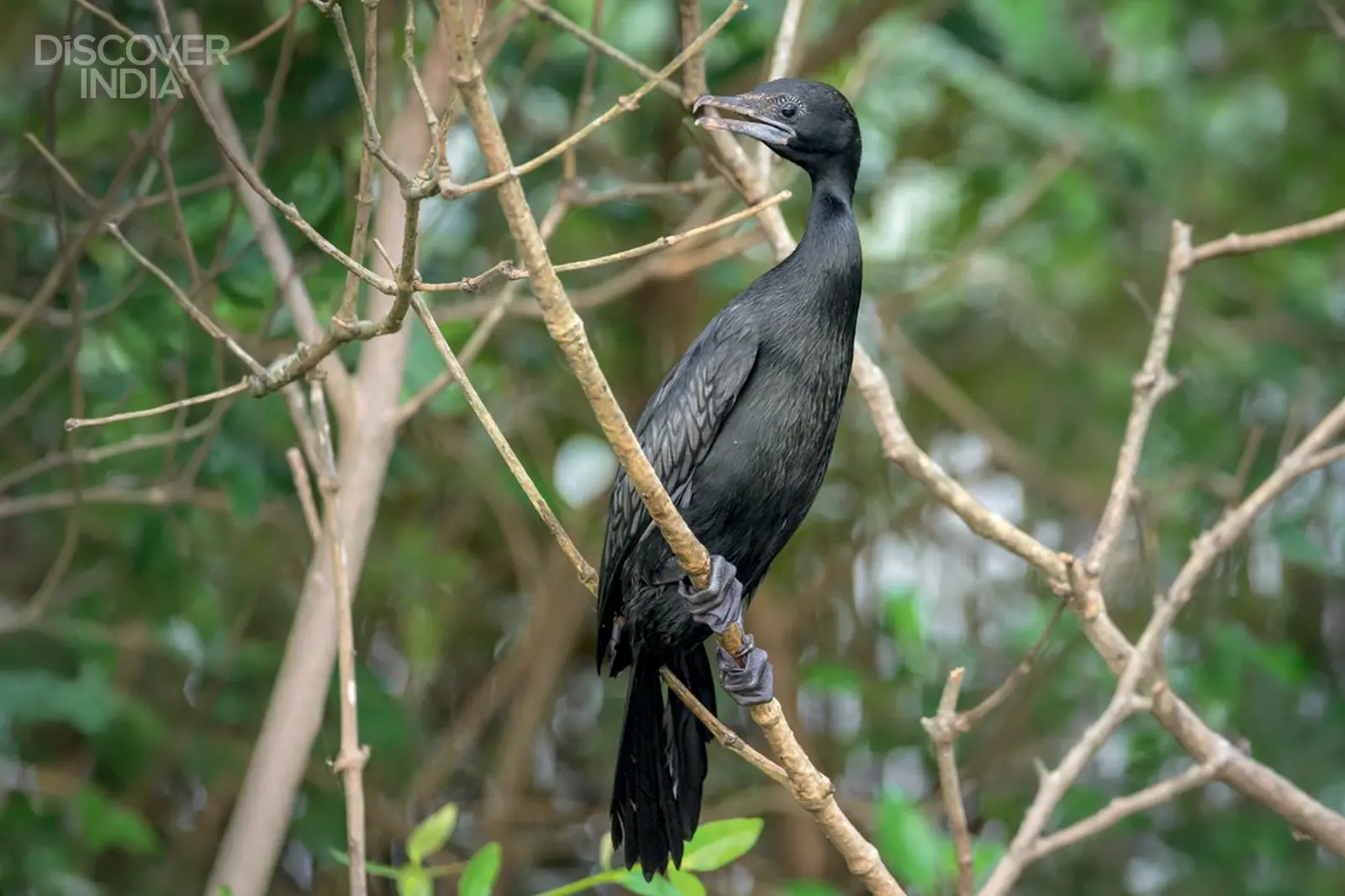
Where can you see mangroves and birds in Goa?
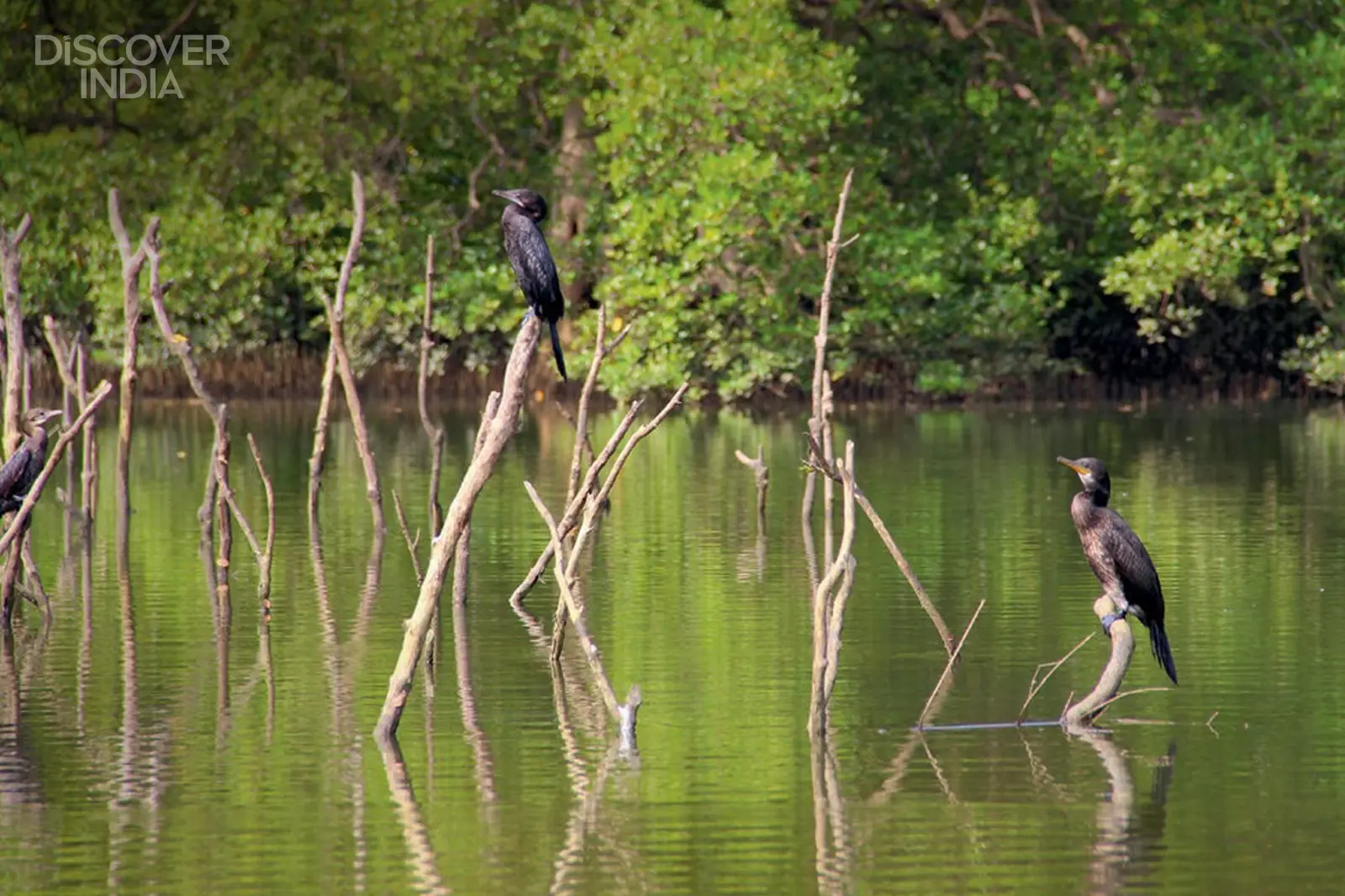
The Dr Salim Ali Bird Sanctuary occupies a mangrove-rich stretch of Chorao Island where the Mandovi River meets the sea. The sanctuary is known for its estuarine habitat and birdlife, and the journey itself is part of the experience: visitors can travel by boat through narrow waterways bordered by mangroves. The sanctuary is home to resident and migratory birds, along with mudskippers, fiddler crabs and other creatures adapted to tidal environments.
For independent visitors, the River Navigation Department operates ferry services between Ribandar and Chorao. Current government schedules list services from early morning through late night, although travellers should verify timings before setting out because operational schedules can change.

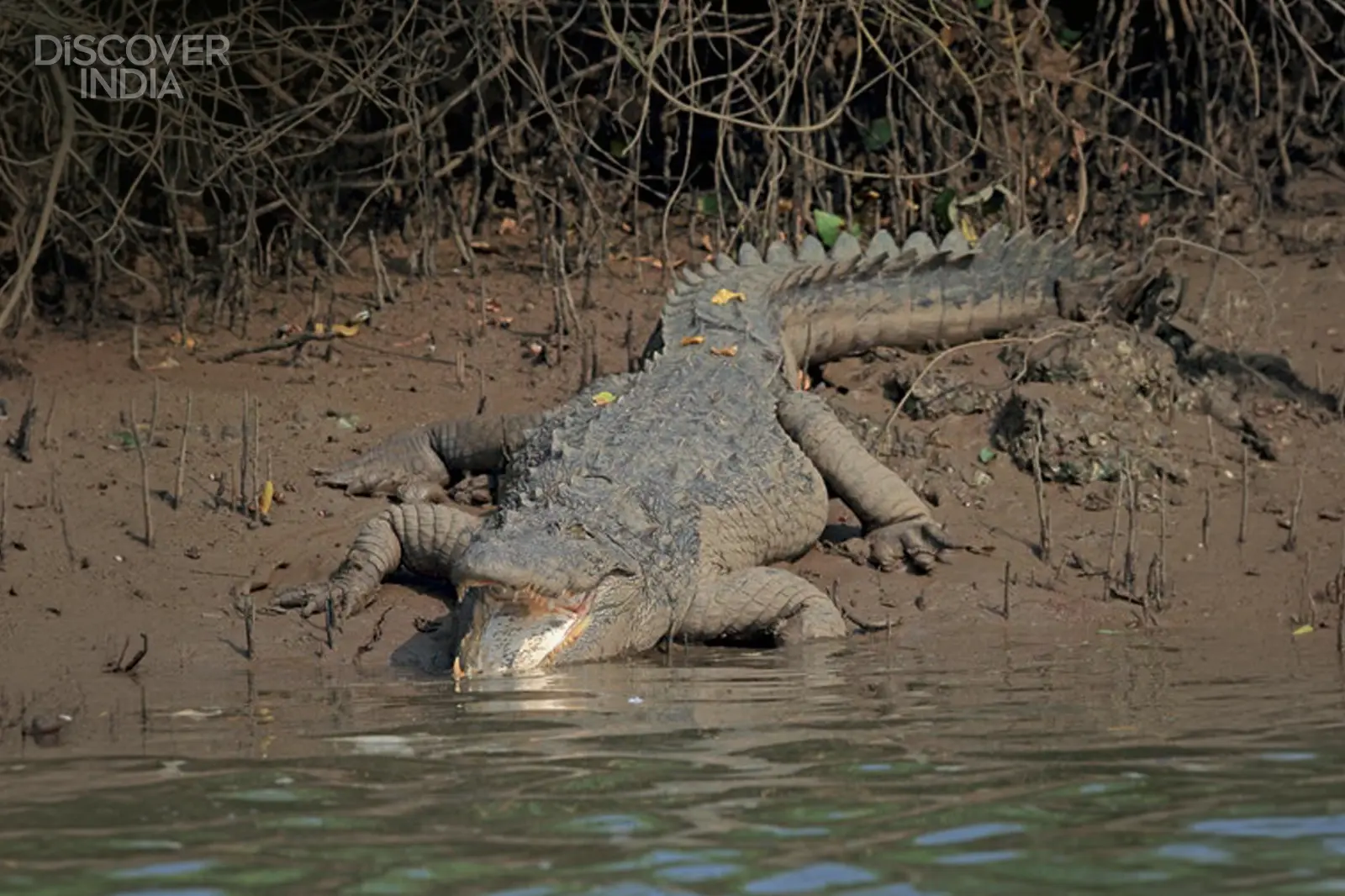
Do Goa’s wetlands really have crocodiles?
Yes. Crocodiles are part of the wildlife associated with Goa’s khazan wetlands, and local research and documentation record their use of bunds and wetland margins for movement and basking. Historical accounts also describe crocodiles around Goa’s waterways and fortifications. The older claim that the reptiles were simply introduced by the Portuguese and subsequently 'evolved' into a brackish-water form is too categorical and has been removed here; the available historical and ecological evidence is more nuanced.
A mangrove maze for slow adventure
Goa’s mangroves reward visitors who are willing to trade the familiar beach circuit for a slower, more observant kind of adventure. Kayaking, birdwatching and guided walks can reveal a landscape that is easy to miss from the main roads.
If you venture into wetland areas with a local guide or organised outing, carry water, sun protection, insect repellent, comfortable footwear and a waterproof pouch for phones and cameras. Avoid entering muddy channels, private agricultural areas or wildlife habitat without permission. Wetlands are working ecosystems, not adventure playgrounds.
The best approach is to travel lightly and listen. The thrill here comes less from speed than from the possibility of seeing something unexpected—a bird dropping into the reeds, a mudskipper moving across the mud, or an otter surfacing for only a few seconds before disappearing again.
Can you still find freshwater springs in Panaji?
Goa’s water heritage extends beyond the mangroves. Panaji and its surrounding villages have long been associated with springs, creeks and community water sources. The original reference to Tiguranchim Baim has been retained only as a historical lead because reliable current documentation on the site is limited. For a contemporary itinerary, better-documented water heritage sites, such as Boca de Vaca in Panaji and Kesarval Spring outside the capital, offer more verifiable alternatives.
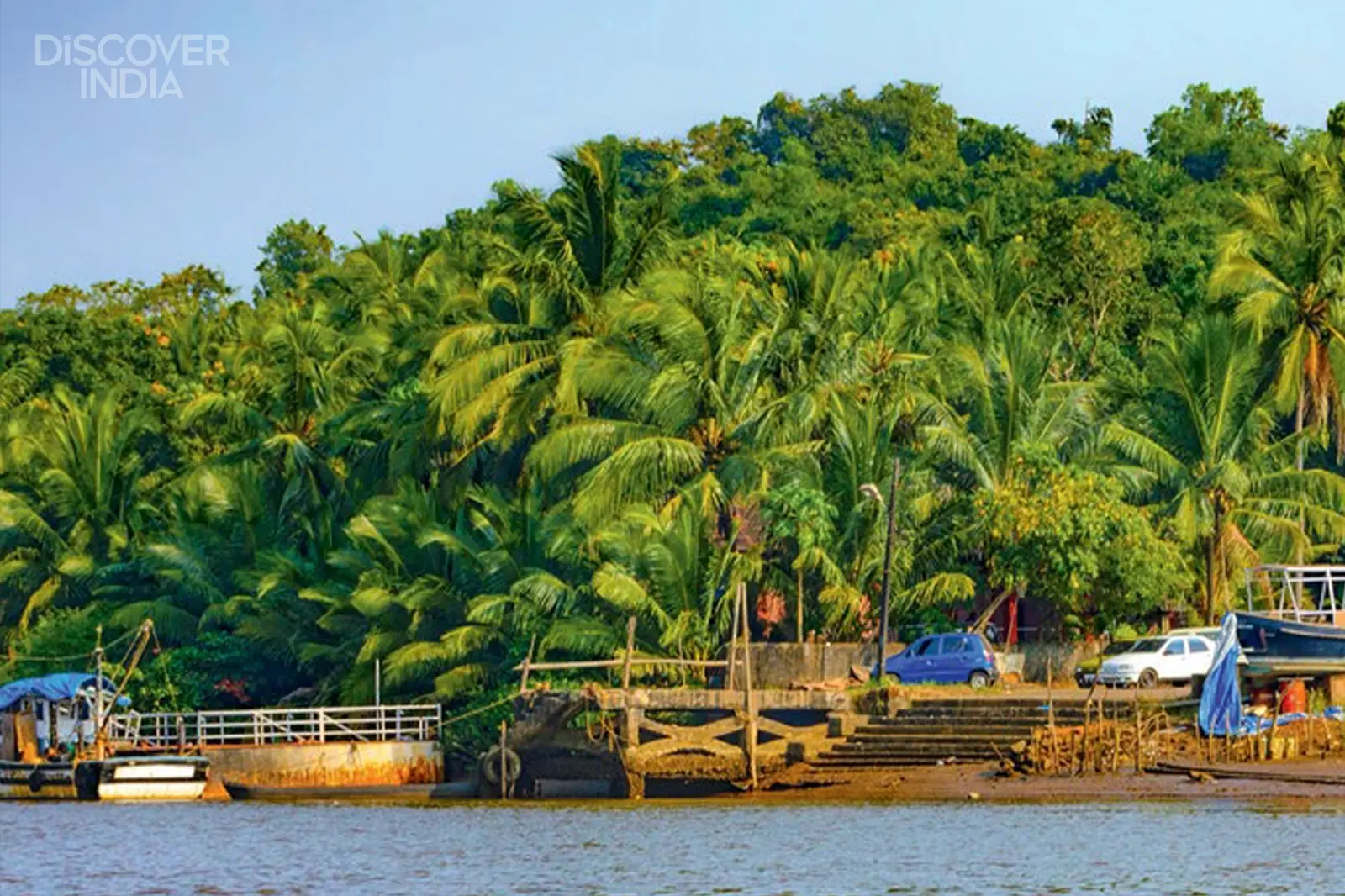
From wetland to farm-to-fork
One of the pleasures of exploring Goa’s wetlands is seeing how closely nature and food remain connected. The khazan landscape supports agriculture and aquaculture, while small farms around Panaji cultivate greens and other crops. A wetland wander can therefore end not with a conventional tourist attraction, but with an encounter with the working landscape that feeds the city.
Wild Otters Research
Wild Otters Research is a Goa-based research and conservation organisation focused on otters and their habitats. Its current website identifies Dr Katrina Fernandez as Chief Ecologist and lists Chorao Island as its Goa base. The organisation studies otters, monitors their status and works on conservation, education and outreach.
Where to stay
For a field-station-style experience, check directly with Wild Otters Research for any current accommodation or programme availability rather than relying on older descriptions of dormitories. Panaji offers a wider range of hotels for travellers who prefer conventional accommodation, including international and independent properties.
Ideal for
Wildlife enthusiasts, birdwatchers, photographers, kayakers and travellers who enjoy seeing the less familiar side of Goa. This is an experience for curious travellers rather than those looking for a high-adrenaline activity: the reward is discovery, observation and immersion in a living wetland.
Goa wetland Trip Ideas
Plan wetland outings with a knowledgeable local guide or established operator, particularly for kayaking or wildlife observation.
Chorao can be reached by ferry from Ribandar; check the Goa River Navigation Department for the latest operating schedule.
The Dr Salim Ali Bird Sanctuary is best experienced in the cooler months; Incredible India currently lists October to March as the best period to visit.
Do not approach crocodiles or attempt to feed or photograph wildlife at close range.
Carry drinking water, sun protection, insect repellent and weatherproof bags for electronics.

FAQs (Frequently Asked Questions)
The peak season for most parts of India is from October to March when the winter climate is pleasantly cool and dry. Hill stations in the Himalayas are best visited between April and June, while monsoon travel (July to September) offers lush green landscapes in places like Kerala and Goa.
Yes, certain border and tribal areas (such as parts of Ladakh, Sikkim, Arunachal Pradesh, and the Andaman Islands) require an Inner Line Permit (ILP) or Protected Area Permit (PAP). You can obtain these online or through registered local tour operators.
Pack breathable cotton or linen clothing, comfortable walking shoes for palace and fort explorations, sun protection (sunglasses, hat, sunscreen), modest attire for temple visits covering shoulders and knees, and a light jacket for cooler desert or mountain evenings.
You can book authorized government-approved guides at major monument ticket desks, through luxury hotel concierges, or via verified local experiential travel platforms recommended by Discover India.



What Makes Satpura a Different Kind of Safari?
Explore Assam’s Tea Country

One Sweet Day in Mumbai

Would you dare? 25 adventures that will take you to India’s wildest corners
Would you dare? 25 adventures that will take you to India’s wildest corners