Would you dare? 25 adventures that will take you to India’s wildest corners
India is truly incredible, but you won’t know the full extent of it until you see it differently. Beyond its monuments, beaches and hill stations, the country is sprinkled with nail-biting adventures and extraordinary experiences, from skiing down Himalayan slopes and diving into coral-rich waters to chasing rhinos, flying over valleys and navigating desert dunes.

- For snow: heli-skiing in Gulmarg and snow-leopard spotting in Ladakh
- For wildlife: rhino safaris in Kaziranga and tiger trails in Madhya Pradesh
- For the skies: hot-air ballooning, skydiving, paragliding and microlighting
- For water lovers: scuba diving in the Andamans, rafting in Kashmir and surfing in Varkala
- For mountains: glacier treks, mountain biking and cave exploration
- For pure adrenaline: dune bashing, giant swings, flyboarding and rappelling
- For slower adventure: glamping in Dudhwa and exploring Meghalaya's living-root bridges
Why go heli-skiing in Gulmarg?
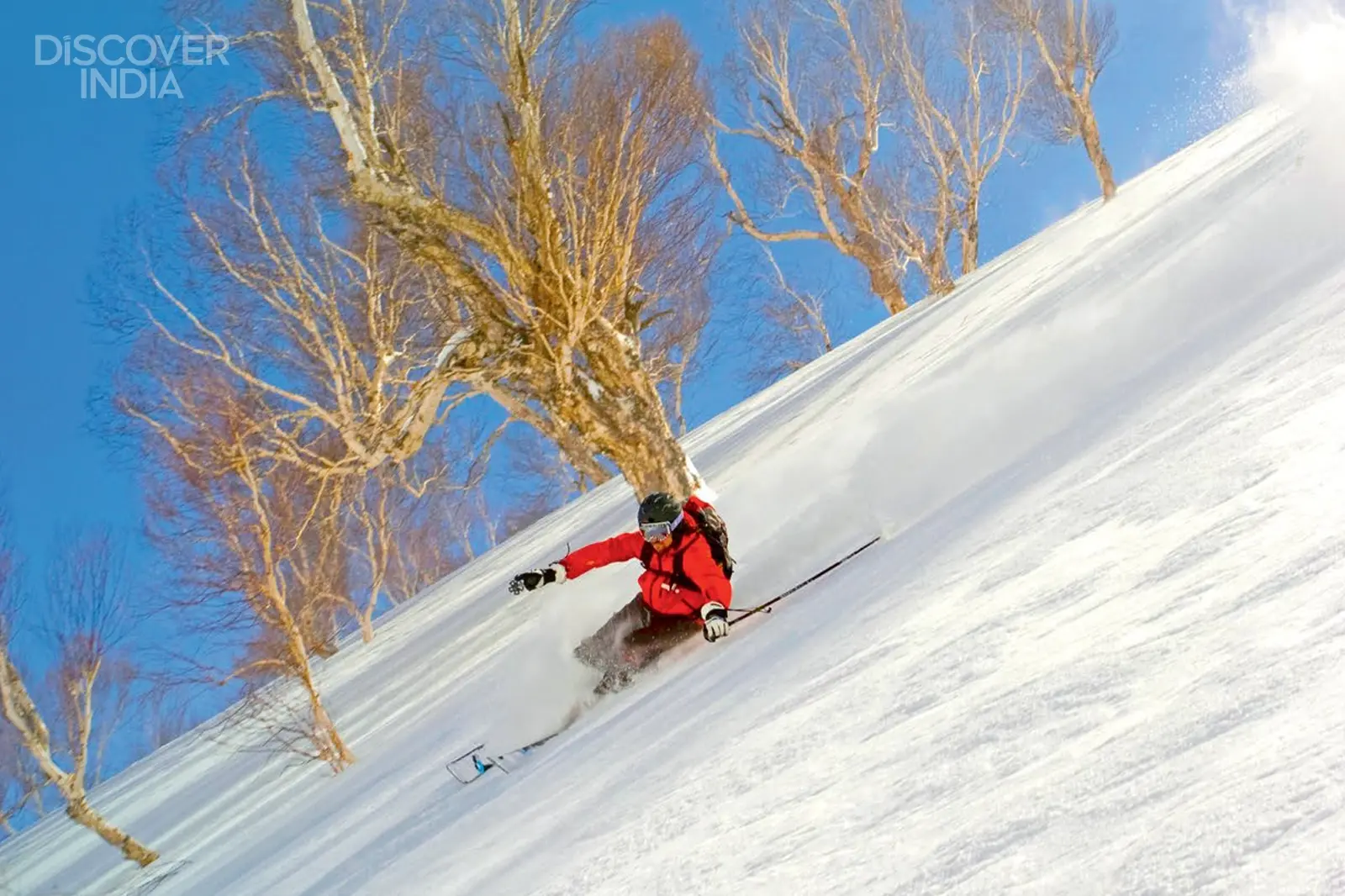
Imagine hovering in a chopper over a forbidding snowscape of white-capped mountains, where the powder is thick and the crowd thin. Now think of hurtling into that wilderness from that height, as the chopper's rotors whirr above you.
Soon, you find yourself skiing forward, cutting a fresh line through the feathery snow and leaving a trail of white in your wake. The experience thrills all the way, more so when you do it in Gulmarg, where the Pir Panjal mountains provide a dramatic backdrop.
Heli-skiing—backcountry skiing after being dropped by helicopter—is an experience for experienced skiers rather than casual beginners. Gulmarg remains one of India's most established destinations for winter adventure, with heli-skiing and off-piste skiing among its offerings.
Plan it: Gulmarg is about 52km from Srinagar and is best approached as a winter adventure destination. Always check snow, weather, avalanche conditions and operator requirements before booking.
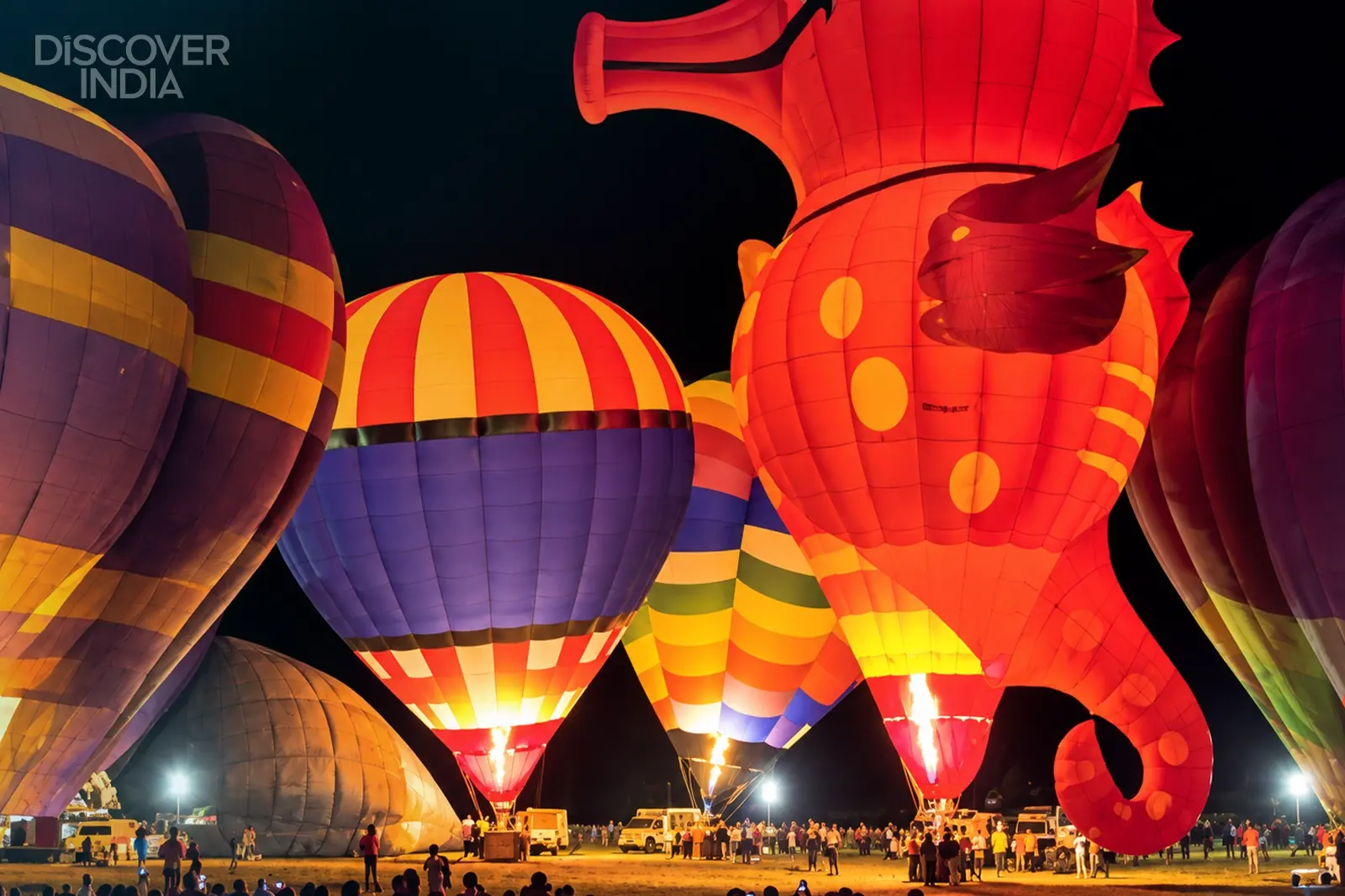
What is it like to hot-air balloon over Araku Valley?
The sudden jerk that lifts you into the air makes you clutch the safety rope tighter. Cold air lashes at your face, immediately followed by the heat from the overhead cylinder. And then you are flying, soaring higher into the sky with the world getting smaller underneath.
Soon, the forested slopes of the Araku Ghats come into view. The rolling landscape below, with its coffee plantations and valleys, makes this a gentler form of adventure—but no less magical.
The original story was built around the Araku Balloon Festival; since festival dates and operations can change, check the latest local schedule before planning specifically around the event.
Getting there: Visakhapatnam is the nearest major airport, with Araku accessible by road or rail.
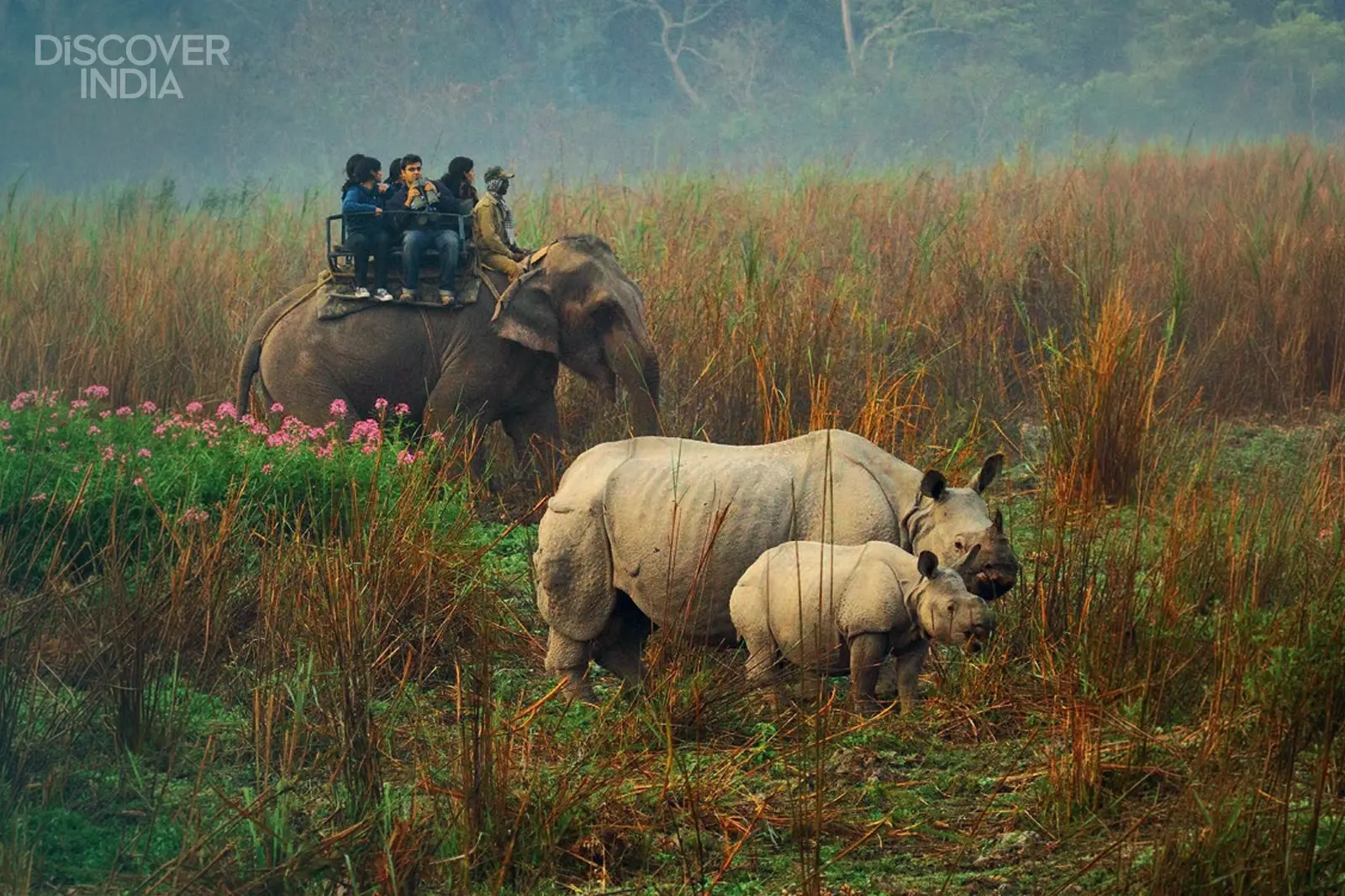
Why is Kaziranga one of India's great wildlife adventures?
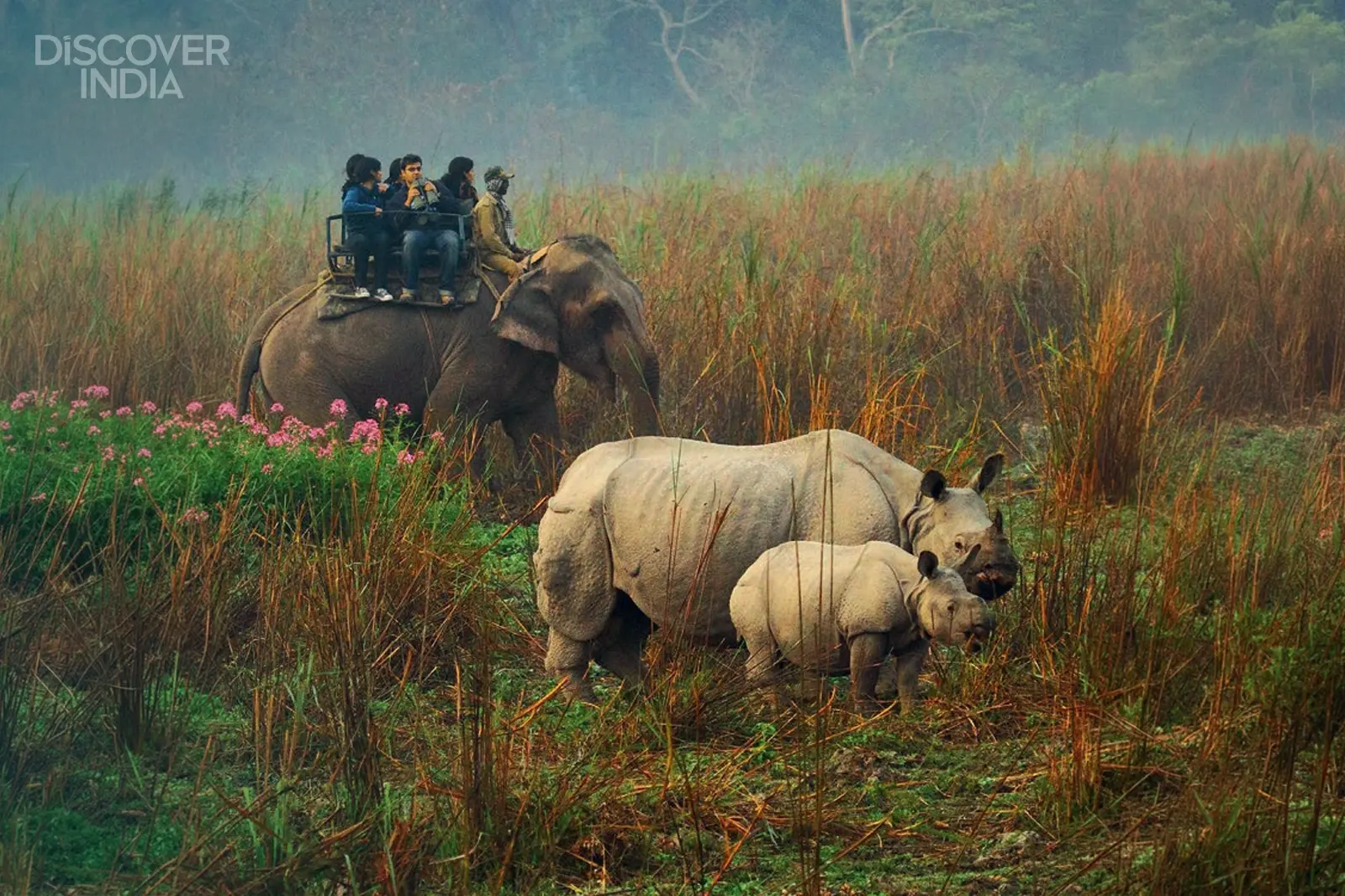
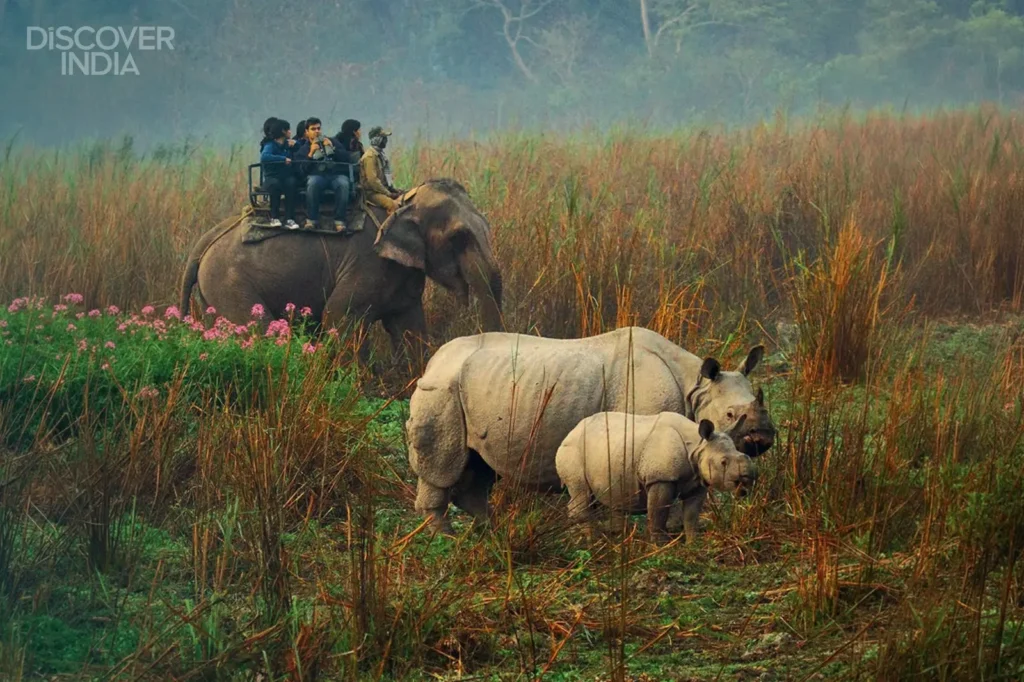
If your idea of an adventure is bouncing in a jeep while it snakes its way through wild woods and marshy landscapes until you catch sight of a giant rhino grazing calmly in open grassland, Kaziranga National Park in Assam is where you should be heading.
Famed for its one-horned rhinoceros, Kaziranga is also home to elephants, wild water buffalo, swamp deer and an extraordinary variety of birds. The Assam government's current district information lists 2,613 rhinos in Kaziranga in March 2022, while noting the park's importance for elephants, wild buffalo, swamp deer and tigers.
Rather than promising a sighting, think of the safari as an exercise in patience: the thrill lies in never quite knowing what may emerge from the grass.
Plan it: Check the current park opening dates, safari zones and permit rules before travelling.
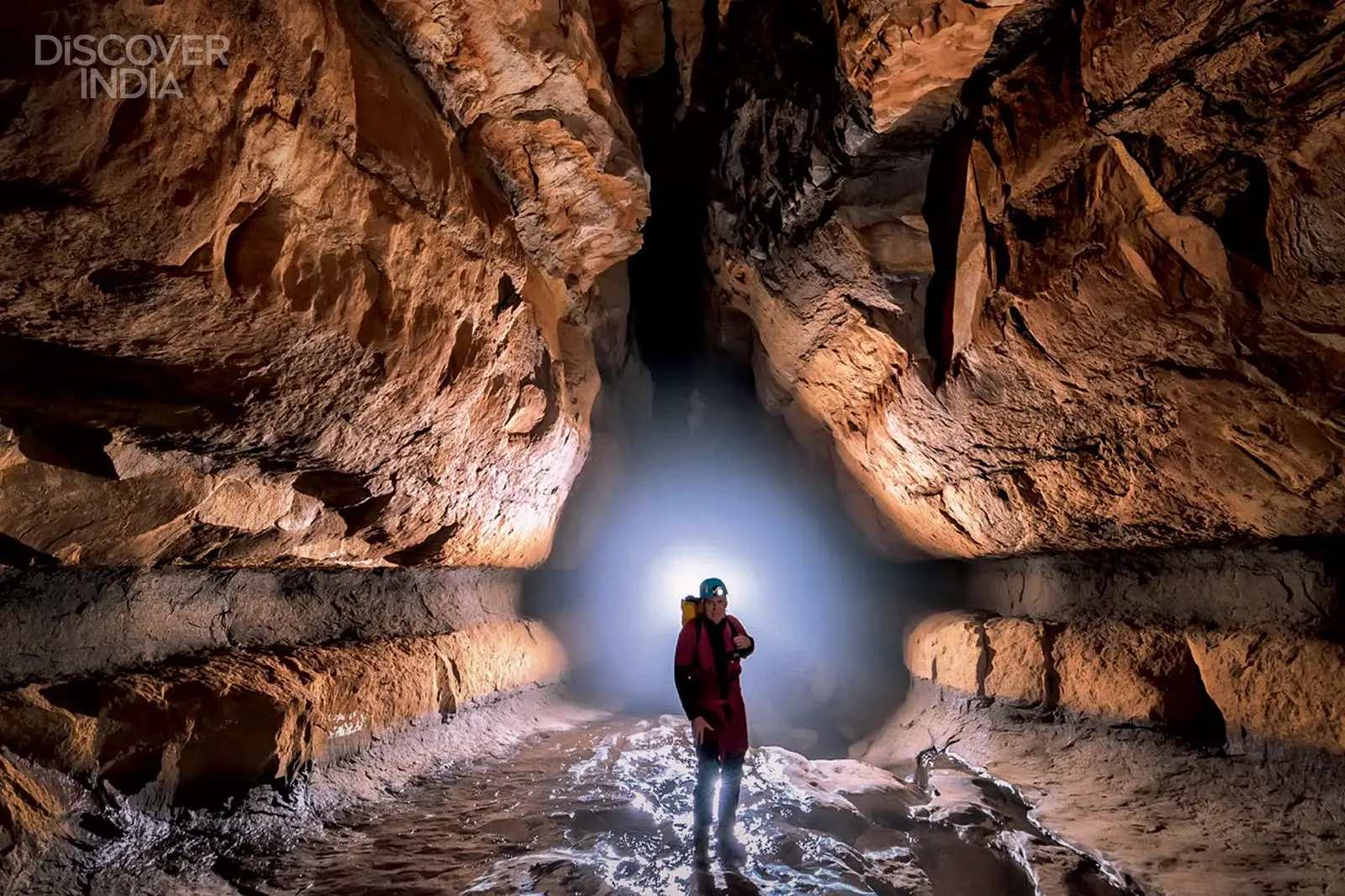
Would you dare to go cave walking in Meghalaya?
If squeezing through narrow, murky trails, scrambling past underground formations and wading through streams makes your heart pump with anticipation, cave walking or spelunking might be your kind of adventure.
Meghalaya's subterranean landscape is among India's most fascinating, with caves such as Krem Puri, Krem Mawmluh and Krem Chympe offering very different experiences. The terrain can be physically demanding and conditions underground can change quickly, making an experienced guide essential.
This is not sightseeing underground. It is exploration.
Plan it: Cherrapunjee and the wider Khasi Hills are the starting points for several cave experiences; choose a properly equipped local operator.
Why is dune bashing in Jaisalmer more than a desert safari?
You will have to buckle up for this one. Dune bashing in the colossal Thar Desert means charging into the sunburnt golden sands and literally bashing the dunes in a rugged 4x4.
The stomach-dropping dips give you quite an adrenaline rush, and as you snake through the endless sea of sand, the desert seems to move with every passing moment. Once the driving is over, sit back and watch the golden sun melt into the rosy sky.
Sam Sand Dunes remains one of the best-known bases for desert experiences around Jaisalmer, but operators and conditions vary, particularly around extreme heat.
Plan it: Jaisalmer is well connected by air, rail and road. Winter and the cooler months are generally more comfortable for desert activities.

Where can you go skydiving in India?
Skydiving has long staked its place among India's most thrilling adventure activities. Free-falling from a plane, toying with gravity in mid-air and finally battling against the wind as you zoom towards earth is a very different way to see the country.
Mysuru has been one of India's established skydiving destinations, offering jumps from around 10,000 feet through organised operators. The attraction is as much the landscape as the free fall: farmland, open countryside and the city spread out below.
Plan it: Weather and operator schedules can affect jumps. Check current age, weight, medical and training requirements before booking.

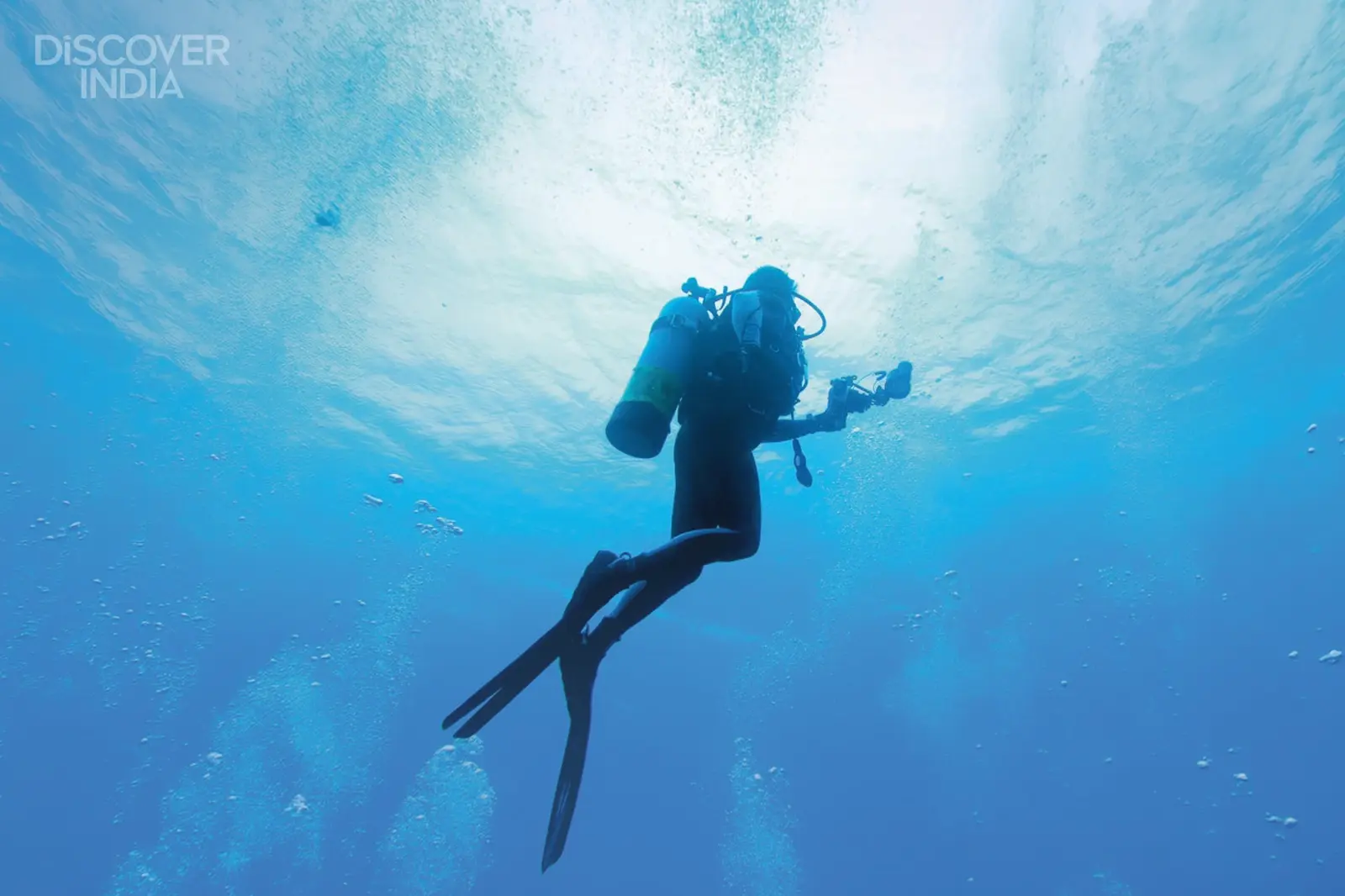
Why should scuba diving in the Andamans be on your adventure list?
Seeking adventure in exotic, enigmatic waters? The Andamans tick the right boxes.
Havelock Island—now officially known as Swaraj Dweep is where divers come to get close to the islands' marine life. Beginner or expert, there are dive experiences at different depths and levels of difficulty, while the surrounding waters offer coral reefs and an extraordinary range of marine species.
The Andaman administration regulates scuba diving through designated sites and guidelines, so diving should always be undertaken through a registered and properly equipped operator.
Plan it: December to April is traditionally considered a favourable period for diving, although conditions vary.
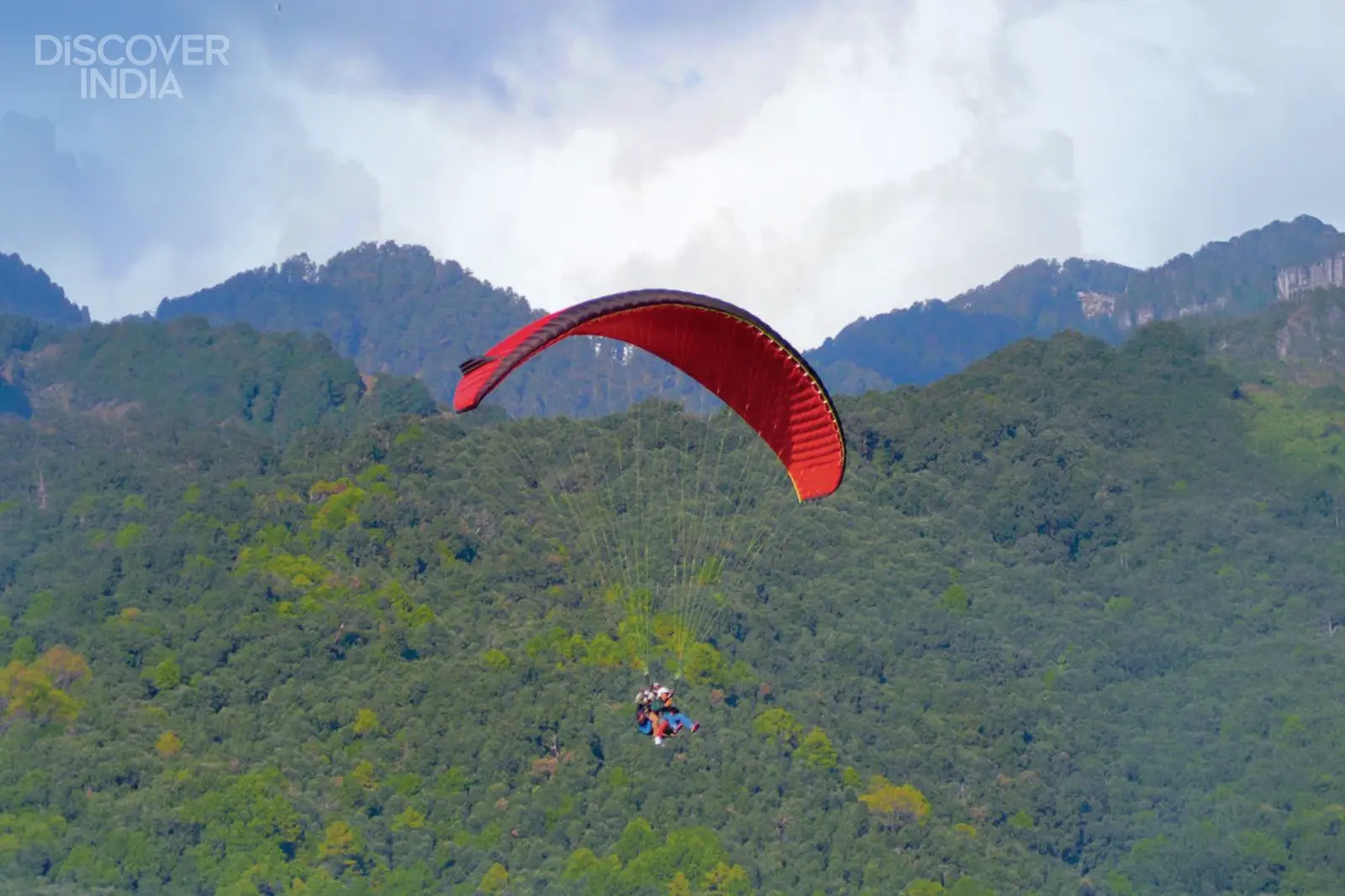
What makes paragliding in Bir Billing so special?
Unlike many aerial adventures, paragliding is more than just a buzz. It is the joy of feeling as though you can fly. Add to that the quiet, endless sky and panoramic views of deep valleys and soaring peaks, and you have the very picture of serenity.
Bir Billing remains one of India's most celebrated paragliding destinations, with Billing serving as the take-off point and Bir as the landing area. Tandem flights make the experience accessible to first-timers, while experienced pilots can explore the region independently subject to applicable regulations.
After landing in Bir, the Tibetan settlement's momos, thukpa and laphing are reward enough.
Best time: September to November and March to June are highlighted by Incredible India as favourable periods for outdoor activities.
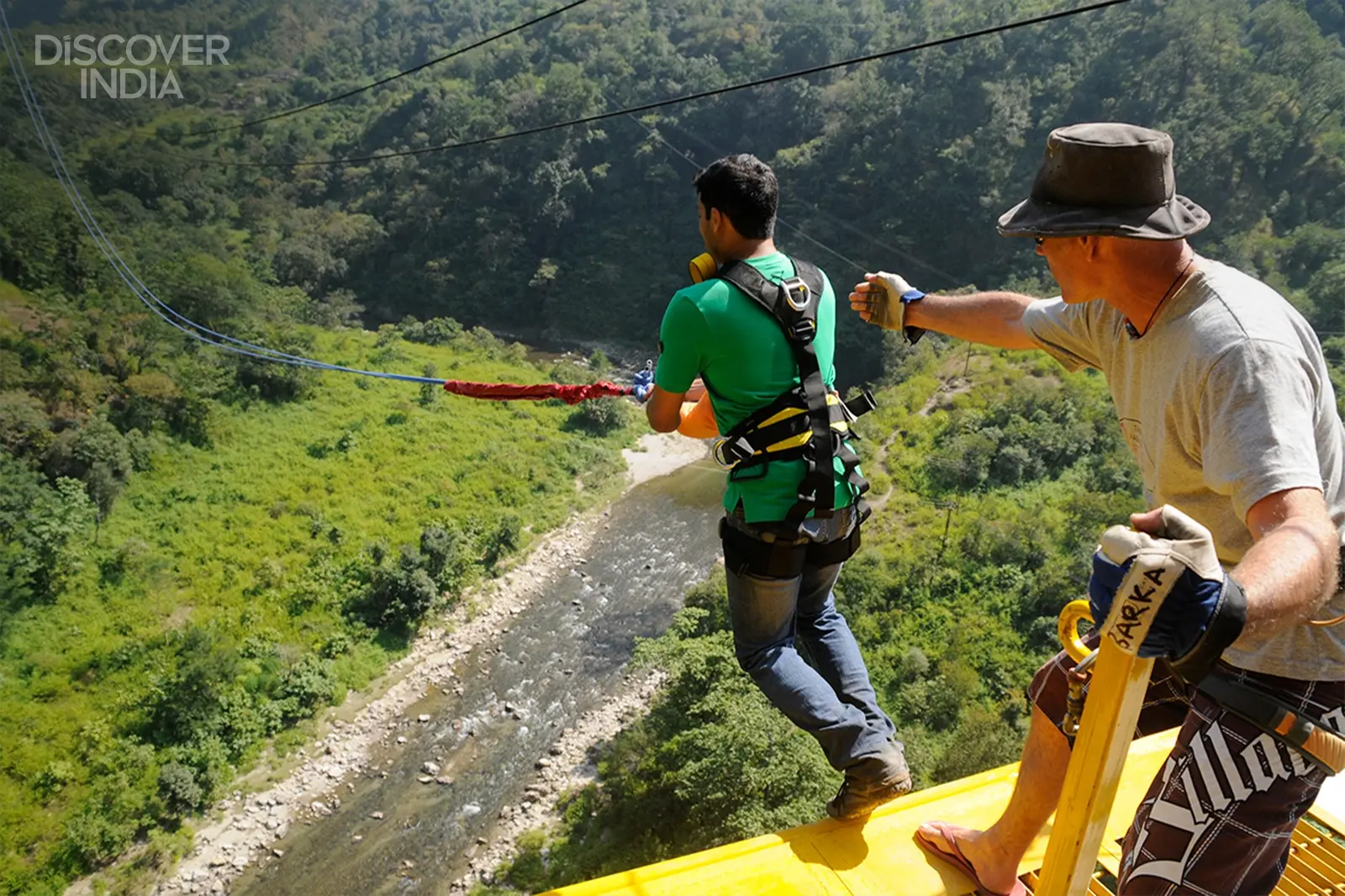
Would you take a giant swing over the Rishikesh valley?
Swings are usually associated with childhood. In Rishikesh, however, the excitement quotient is several notches higher.
The Giant Swing combines an initial free fall with a wide pendulum movement. At Jumpin Heights, the experience operates from an 83-metre platform, with participants secured in harnesses and guided through safety checks before the jump.
The result is a few seconds of pure adrenaline followed by a sweeping view of the valley.
Plan it: Check current age, weight and health requirements with the operator before booking.
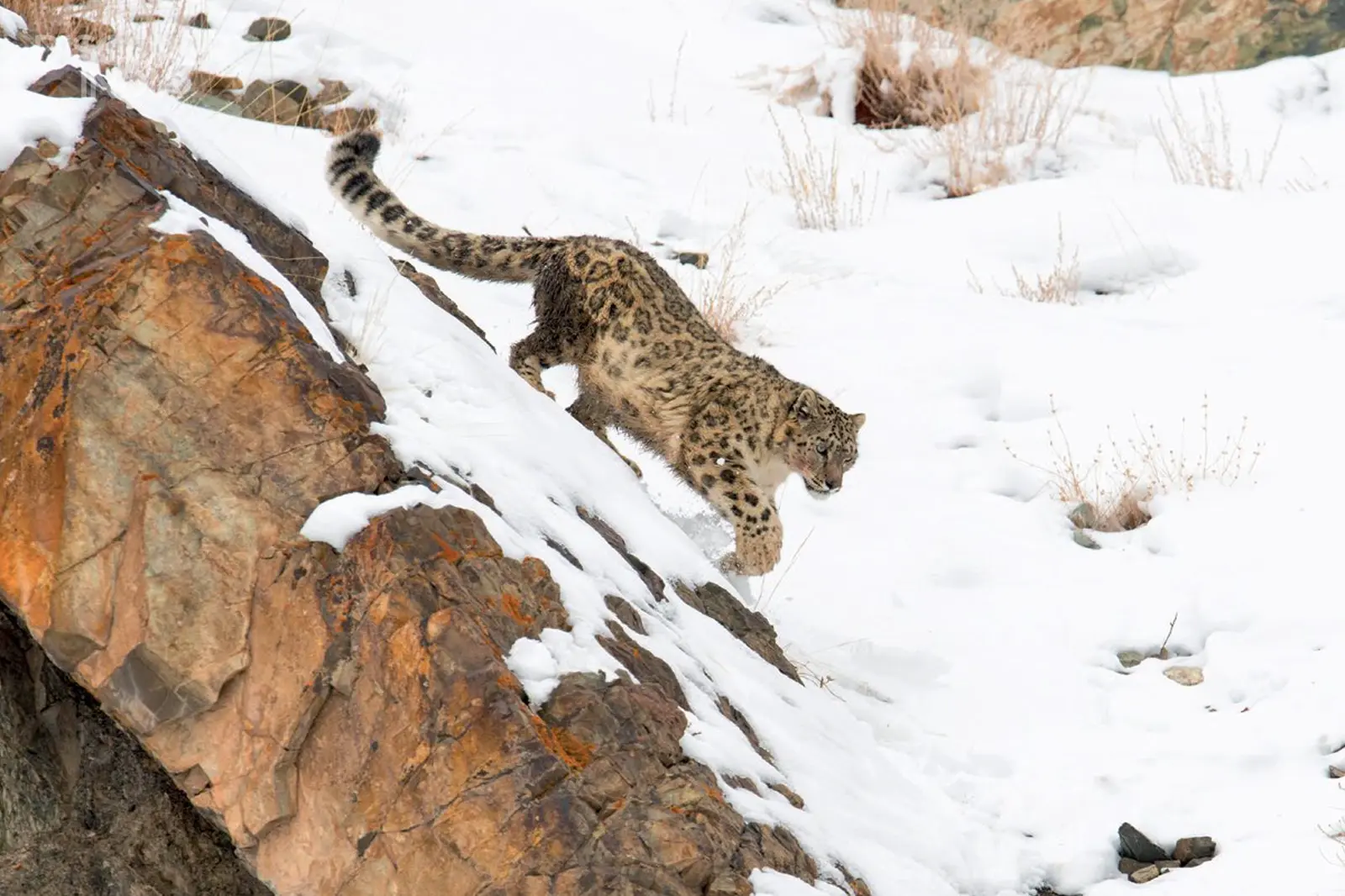
Can you spot a snow leopard in Ladakh?
Tiger spotting is familiar territory. A glimpse of the elusive snow leopard is something else entirely.
In Hemis National Park, the search takes place across a stark winter landscape where patience is as important as luck. The best-known snow-leopard season falls in the colder months, when the animals descend to lower elevations in search of prey.
The expedition involves trekking through snowy terrain and spending long periods scanning the landscape. There are no guarantees—which is precisely the point.
Plan it: Use an experienced local wildlife guide and prepare for high altitude, cold and strenuous walking.
What makes kayaking the Brahmaputra an expedition rather than a holiday?
If you're seeking high adventure, the Brahmaputra is hard to ignore.
Battling river currents while passing through landscapes and settlements along the river creates an experience that is as immersive as it is physically demanding. The original feature centred on a multi-day Siang expedition; rather than relying on its old 2019 date, look for a current expedition schedule and route before planning.
Plan it: Multi-day river expeditions require specialist equipment, guides and careful attention to river conditions.

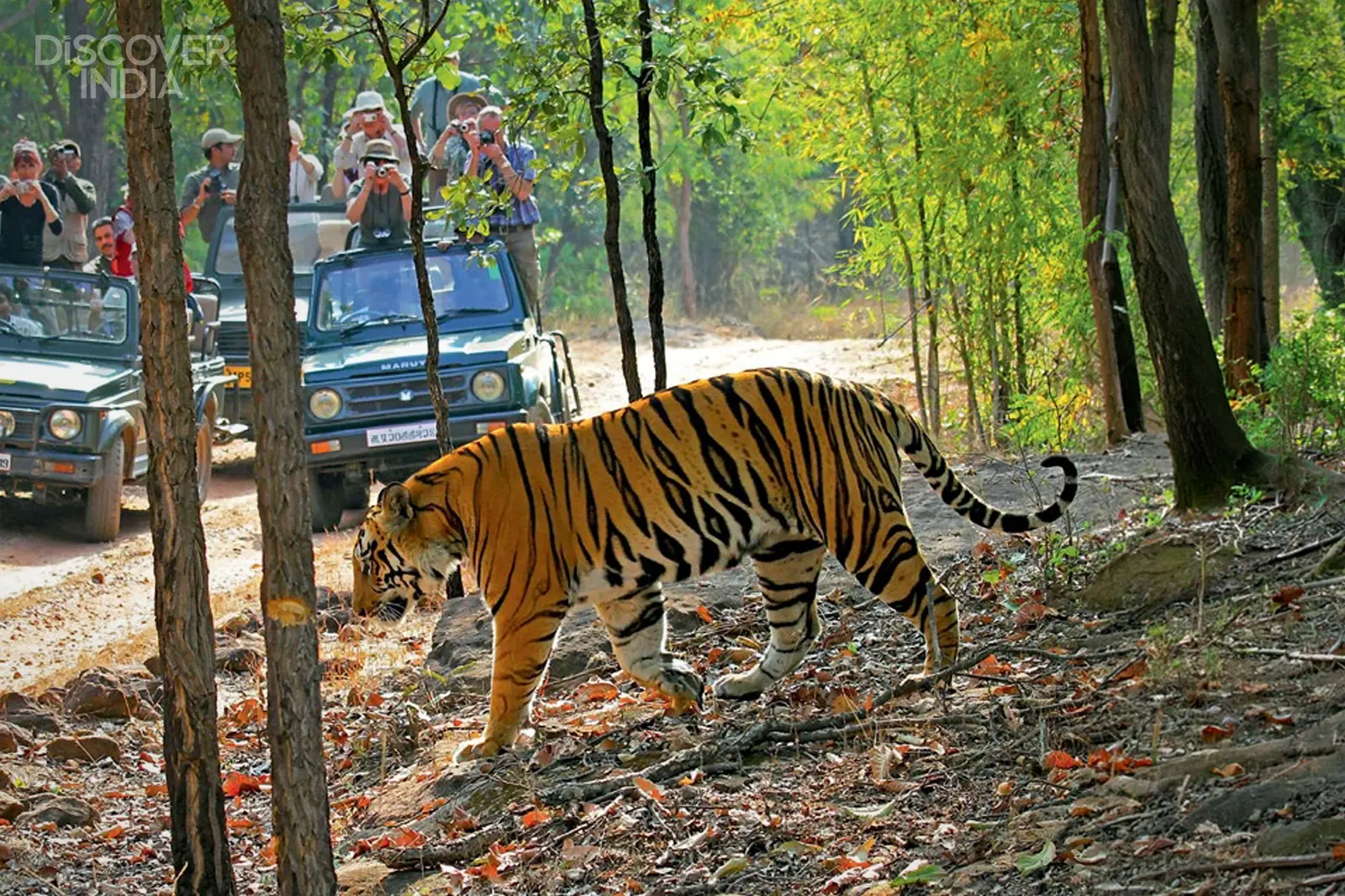
Why go tiger tracking in Bandhavgarh and Kanha?
Driving through dirt tracks, keeping a close eye on every little movement in the bush and feeling your heart beat faster in anticipation—nothing quite matches the thrill of spotting a tiger in the wild.
Rather than restricting yourself to a single reserve, consider a wider Madhya Pradesh wildlife itinerary that combines Bandhavgarh and Kanha. The landscapes differ, but both offer the possibility of encountering India's most iconic big cat alongside a much broader ecosystem.
The important distinction: a tiger sighting is never guaranteed. The adventure lies in reading the forest.
Plan it: Book safaris through the official reservation system and follow park rules and zone allocations.
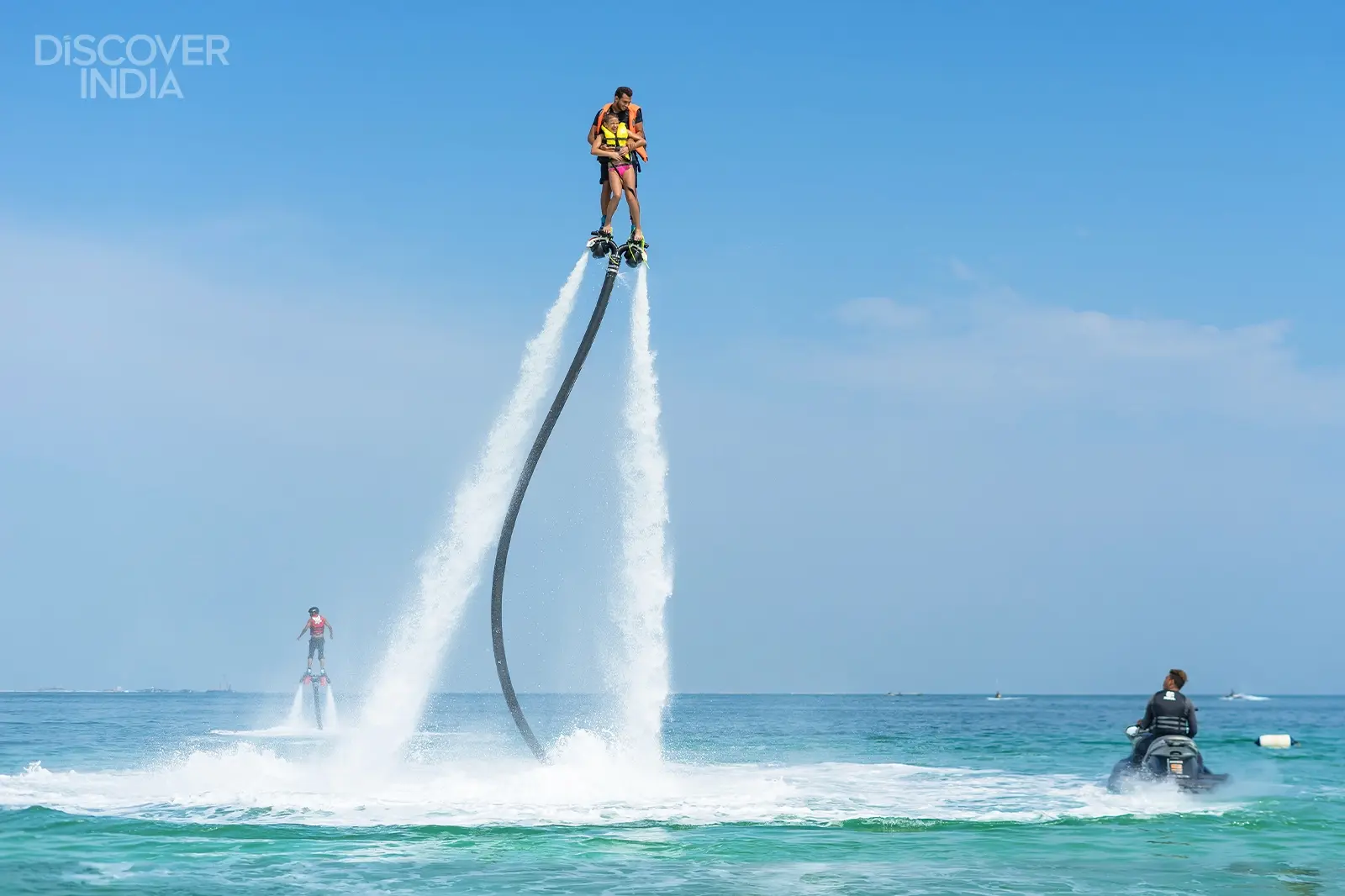
What is flyboarding in Goa really like?
If you want more than sun and sand on your next Goa holiday, how about flyboarding?
There is a learning curve to it. Once you get the hang of the water jet attached to your feet, you can rise above the surface, dive, twist and attempt turns as the powerful stream propels you upwards.
It is essentially a water-powered lesson in balance and one where falling is part of the fun.
Plan it: Availability is weather- and operator-dependent, so check current water-sports permissions and conditions before heading out.
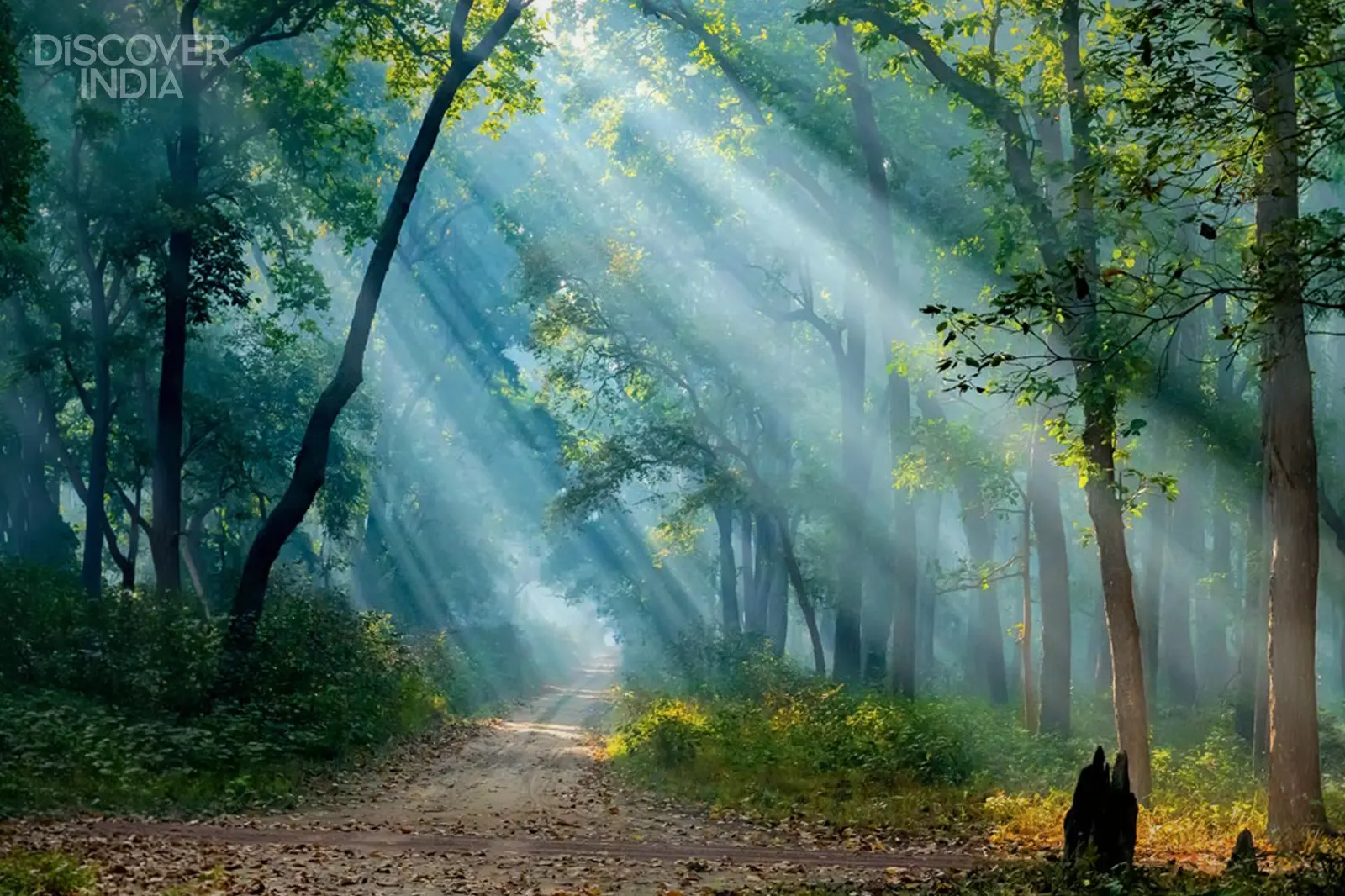
Can you combine luxury and wildlife at Dudhwa?
Want the adventure but loathe to give up luxury? A boutique camping experience around Dudhwa National Park offers precisely that combination.
The wilderness of Uttar Pradesh's Terai region is home to elephants, swamp deer, rhinos, birds and other wildlife. Beyond safari drives, the experience can include cycling, nature walks and encounters with the local Terai communities.
Dudhwa lies around 221km from Lucknow, according to Incredible India.
For those who like their wilderness with a comfortable bed at the end of the day, this is adventure at a gentler pace.
Plan it: Luxury camps can be seasonal; for example, Incredible India's current information lists Jaagir Lodge Dudhwa as operating from mid-November to mid-June.
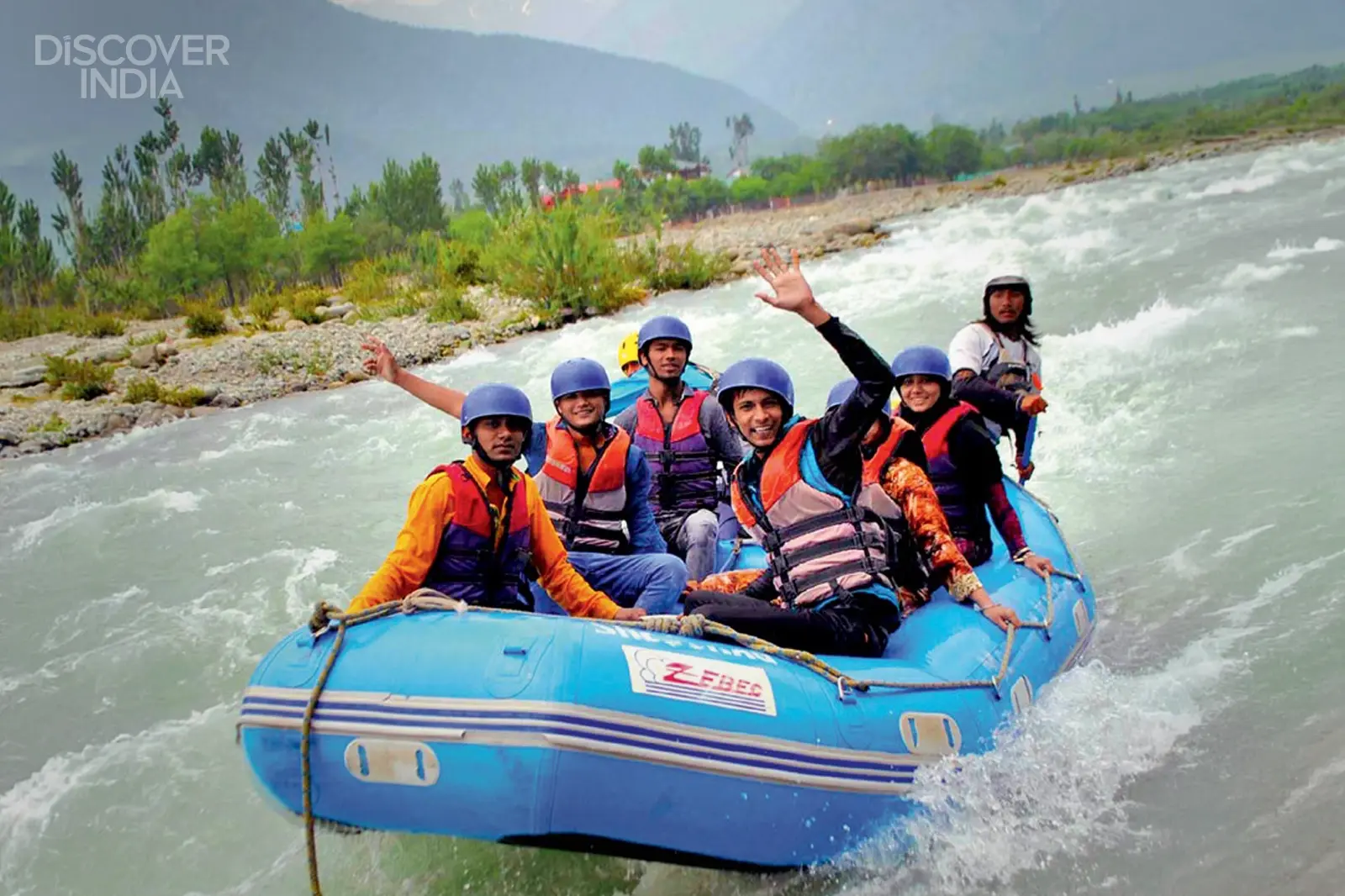
Why is river rafting in Pahalgam worth the trip?
While you are in Kashmir, don't forget to cross rafting off your adventure list.
The Lidder, a glacial river flowing through the Pahalgam valley, brings together whitewater and dramatic mountain scenery. The activity can be combined with the area's other outdoor pursuits, including trekking and fishing.
Incredible India's current Kashmir guide also lists whitewater rafting among Pahalgam's popular summer activities.
Plan it: River conditions are seasonal, so check local operating conditions before travelling.
Would you zip-line across a 500-year-old landscape in Neemrana?
Staying in a fort palace means dining in grand venues and spending nights in rooms steeped in history. But by day, you can add a very different experience: zip-lining across the landscape.
Neemrana's historic fort setting makes the contrast particularly dramatic, centuries-old architecture on one side, a high-speed aerial adventure on the other.
Getting there: Neemrana is easily accessible by road from Delhi and Jaipur.

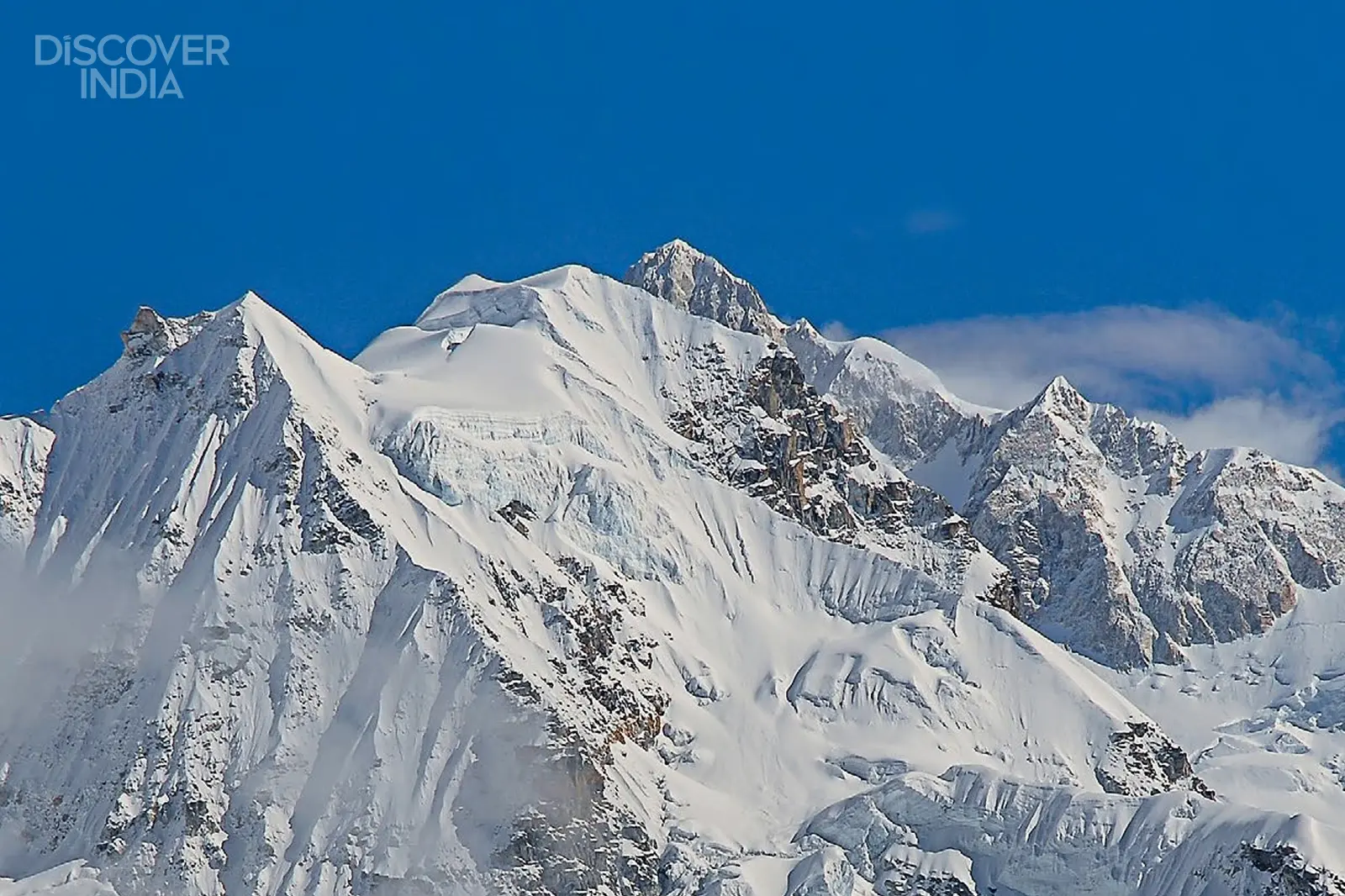
How difficult is the Panpatia Glacier trek?
Trekking to Panpatia Glacier in the Himalaya gives one a different kind of high.
The glacier lies between the pilgrimage towns of Kedarnath and Badrinath in Uttarakhand, in terrain marked by moraines, crevasses and icefalls. This is not a casual Himalayan trek; it belongs firmly in the expedition category and requires technical expertise, acclimatisation and an experienced team.
The reward is an extraordinary high-altitude landscape few travellers ever see.
Plan it: Use a certified and experienced expedition operator rather than attempting this independently.
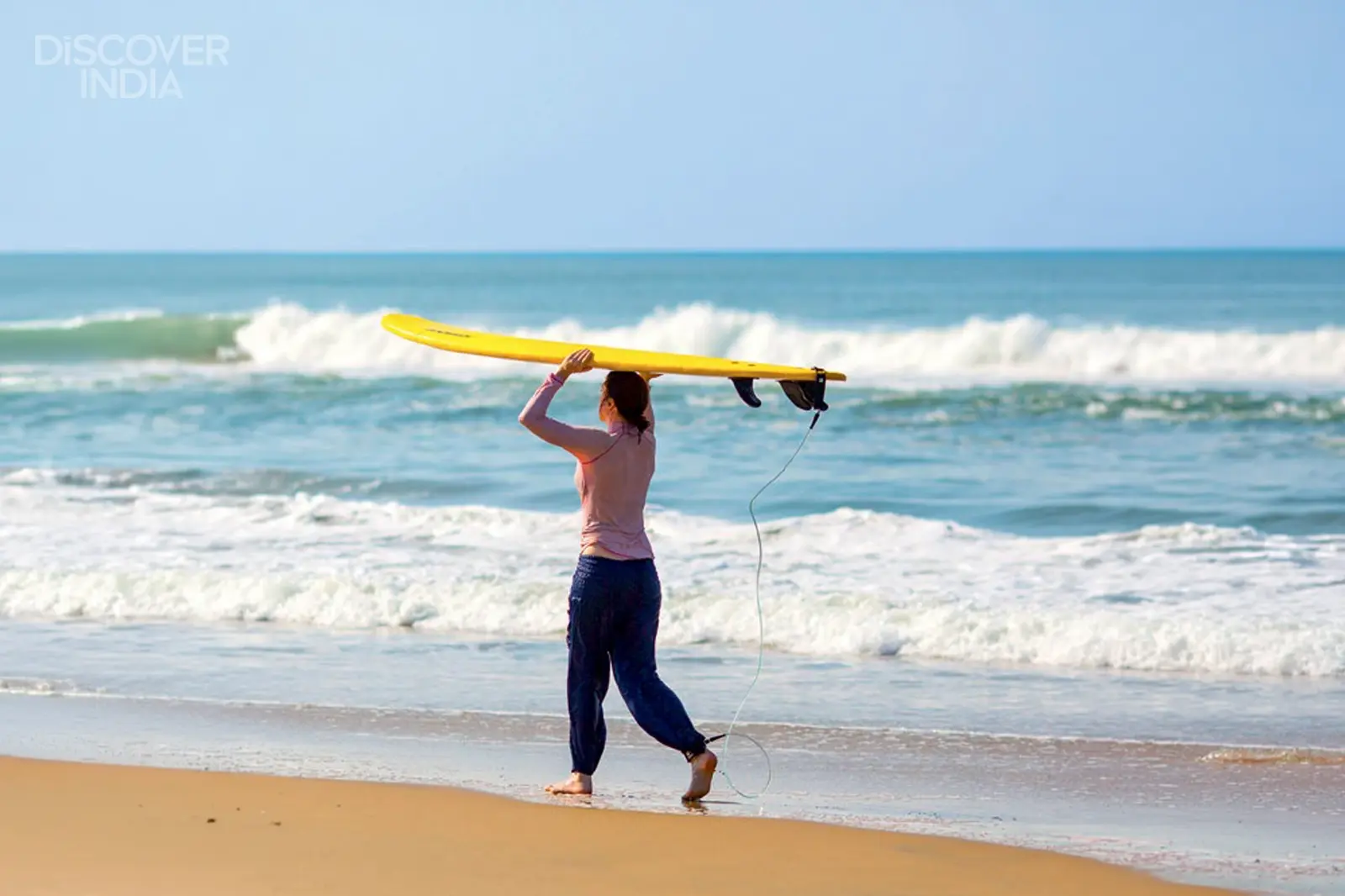
Can you surf in Varkala?
India may not be the obvious choice when you run your fingers along the coastlines of the world's great surf destinations, but Kerala's Varkala makes a persuasive case.
The sleepy beach town switches into a surf spot when conditions are right, with waves rolling towards the Malabar coastline. Once you've chased the waves, the beach itself offers a slower counterpoint—walk, meditate, practise yoga or simply watch the Arabian Sea.
Plan it: Surf conditions are seasonal and vary by beach and weather; beginners should learn with a qualified instructor.
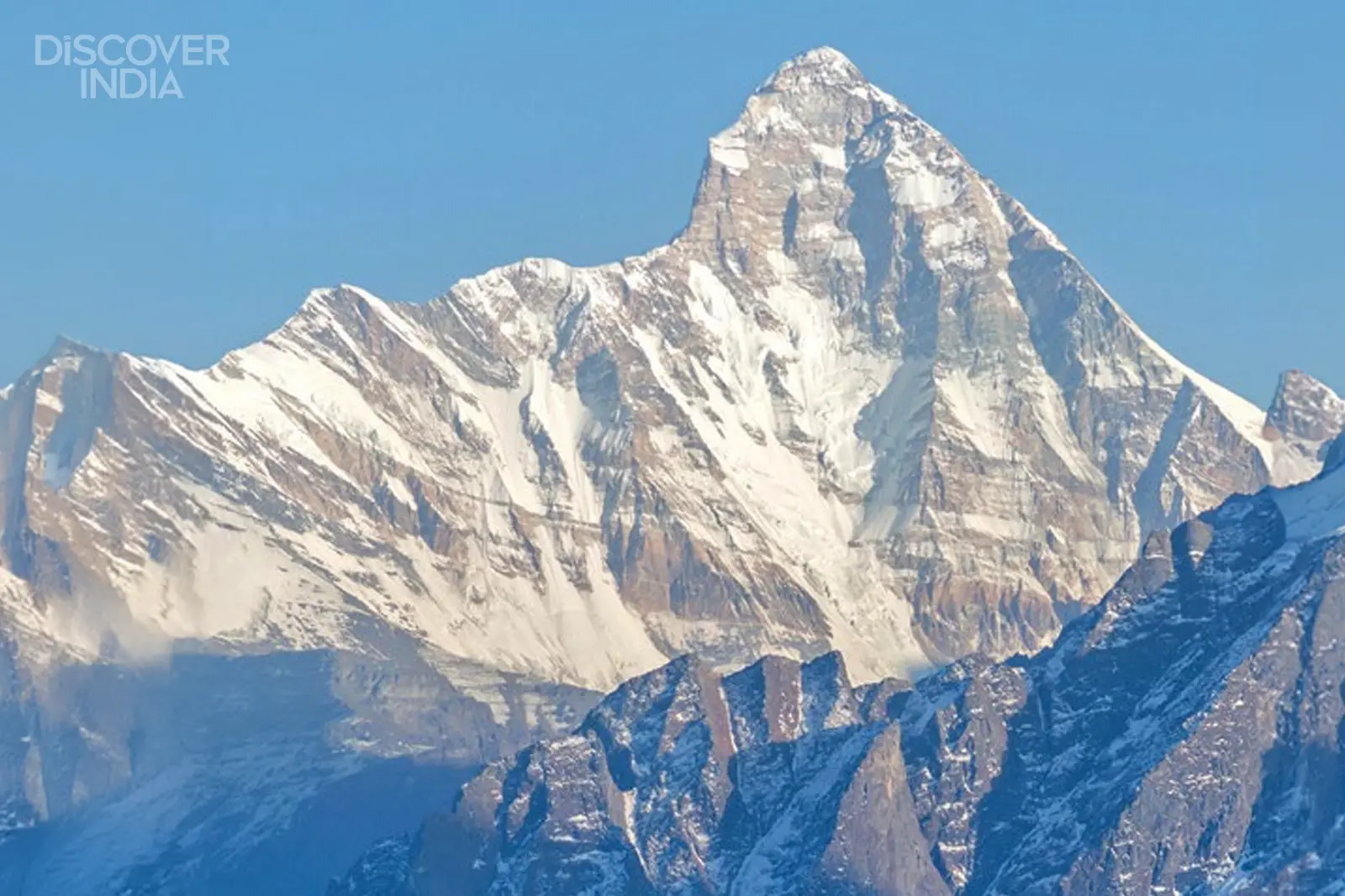
What is it like trekking to Bagini Glacier?
Imagine meandering through little villages, thick woods and Himalayan meadows peppered with alpine flowers, with the mountains soaring in the background.
The Bagini Glacier route begins near Jumma village and becomes progressively more demanding as it climbs towards the high Himalayan landscape. The terrain, altitude and weather make this a serious trek rather than an easy weekend walk.
Plan it: Go with an experienced trekking team, allow time for acclimatisation and check current route conditions.
Can you actually pilot a microlight aircraft in Bengaluru?
Ever fancied taking the controls rather than simply sitting back in an aircraft? Bengaluru has long offered an alternative: microlighting.
The experience involves lightweight, small aircraft and the sensation of flying close enough to the landscape to appreciate the countryside below. It is a very different proposition from commercial flying and one that demands proper instruction and weather conditions.
Plan it: Confirm current operations at Jakkur and the required training or passenger arrangements before travelling.
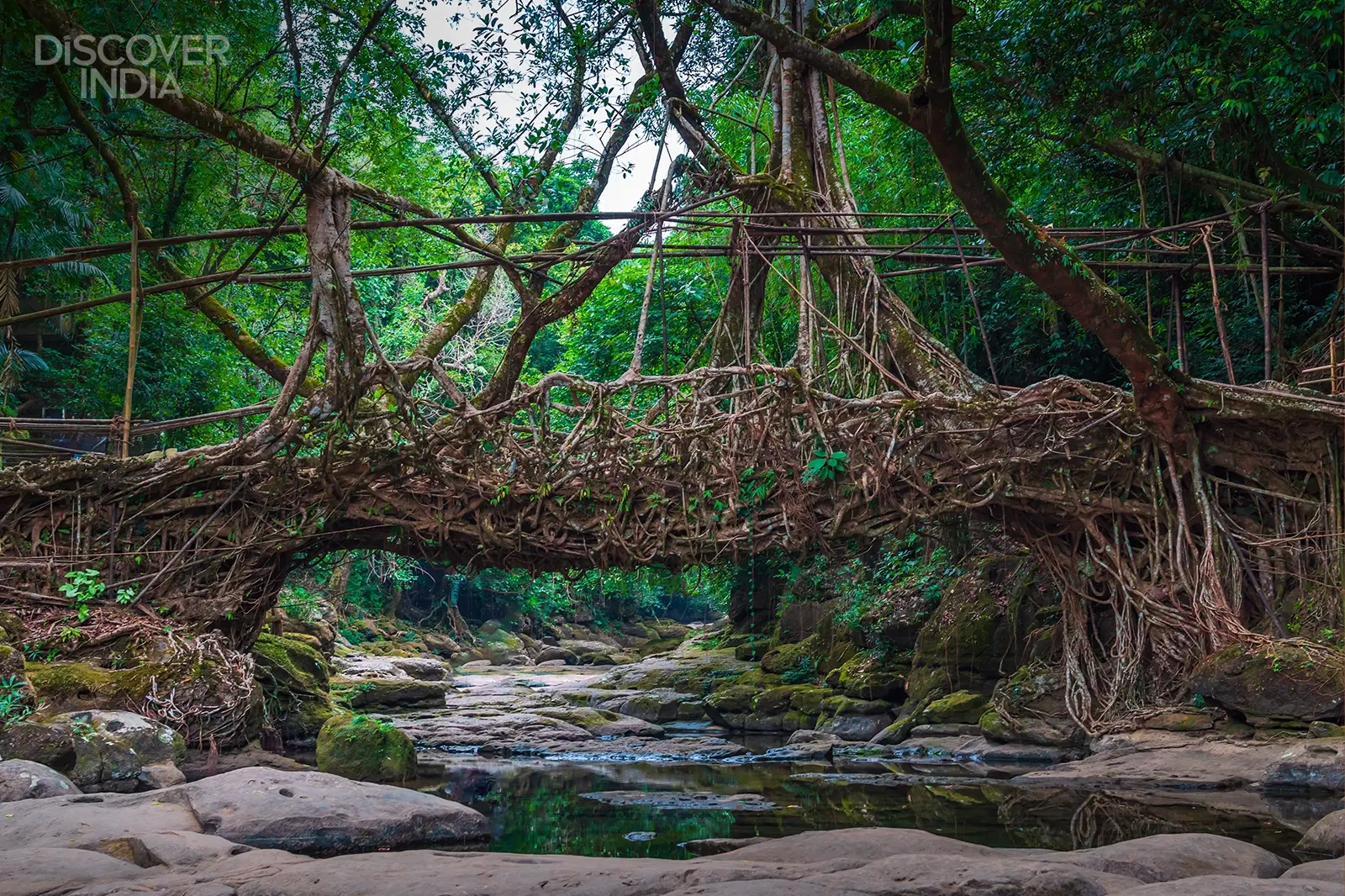
Why should Meghalaya's living-root bridges be on your adventure list?
Imagine hiking through a dramatic wooded landscape, with every step taking you deeper into the Khasi Hills.
Meghalaya's living-root bridges are not simply things to photograph. They are extraordinary examples of indigenous engineering, created by guiding the roots of rubber trees into functional bridges over streams and ravines. Some routes involve several hours of strenuous hiking through forest.
The famous double-decker root bridge at Nongriat is the best-known, but the wider Khasi and Jaintia Hills offer many more.
Plan it: Start early, carry water and allow plenty of time for the return hike.
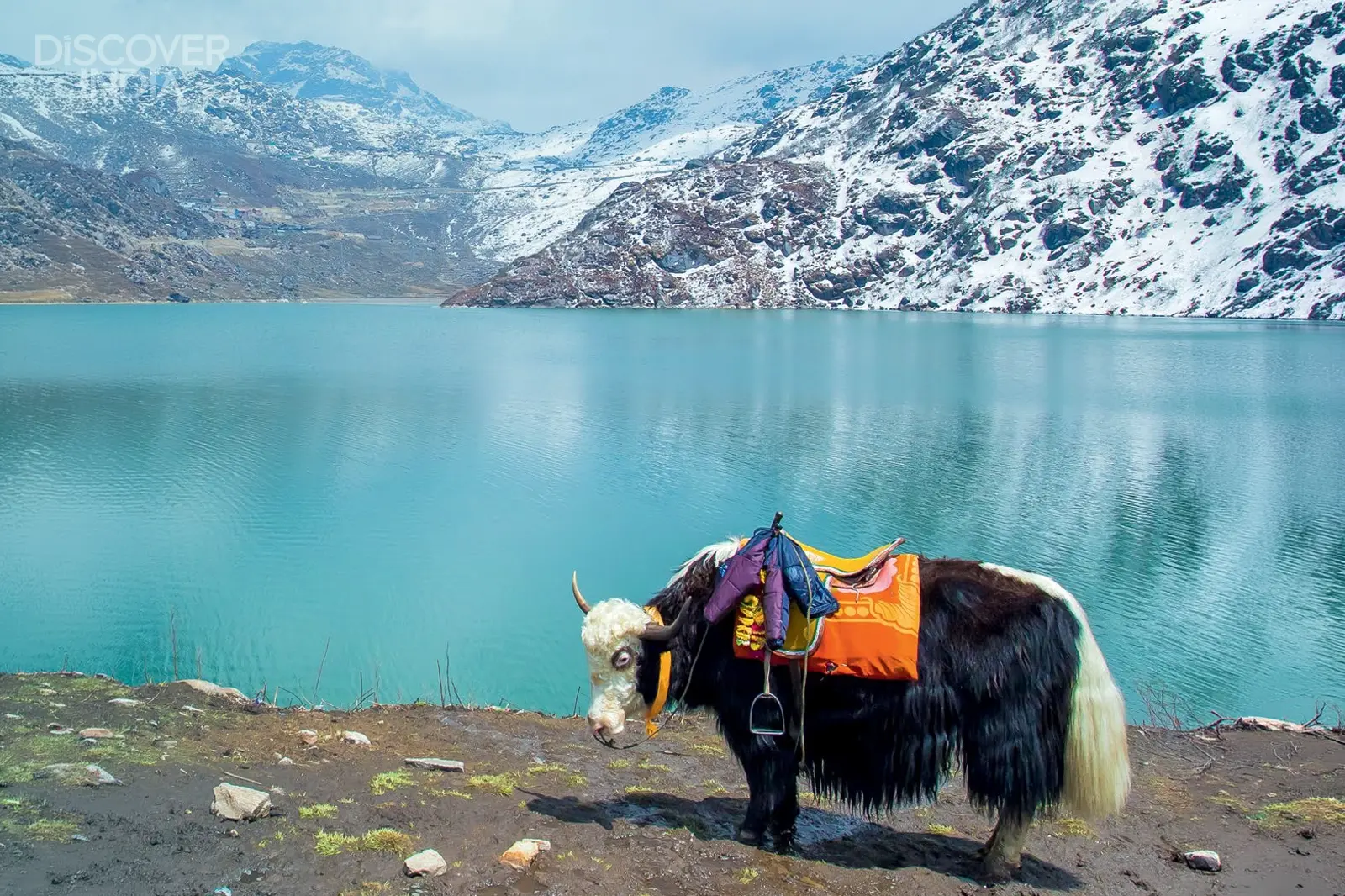
Why is the road to Tsomgo Lake an adventure in itself?
The road from Gangtok to Tsomgo Lake may take only a few hours, but it is no routine drive.
Rock-strewn terrain, hairpin bends and steep mountain slopes accompany the ascent towards the high-altitude lake. Along the way, you may encounter grazing yaks, changing vegetation and dramatic Himalayan views.
The journey is part of the experience.
Plan it: Tsomgo Lake lies in a regulated border area, so permits and current travel requirements apply. Check the latest rules before setting out.
Where can you go waterfall rappelling near Mumbai?
Those who take the proverbial road less travelled will find countless waterfalls in the Western Ghats. Hiking through the green landscape and discovering gushing cascades is an adventure in itself; rappelling down a waterfall takes it several notches higher.
Madhe Ghat near Pune and waterfall-rappelling sites around Khopoli have traditionally attracted adventure seekers. The activity is highly weather-dependent and should only be undertaken with an experienced operator using appropriate safety equipment.
Plan it: Monsoon conditions can make waterfalls spectacular—but they can also make them dangerous. Always check local restrictions and weather conditions.
Why is mountain biking in Munnar worth the climb?
Munnar's tea estates and mountain roads make for an atmospheric cycling landscape.
The routes around the hill station pass through tea plantations, forests, bends and highland viewpoints, with destinations such as Mattupetty, Kundala, Marayoor and Kanthalloor offering opportunities for longer rides.
The reward is not simply speed. It is the chance to experience the Western Ghats at road level, with the scent of tea and forest around you.
Plan it: Choose a route appropriate to your fitness and use a local cycling operator for equipment and route guidance.
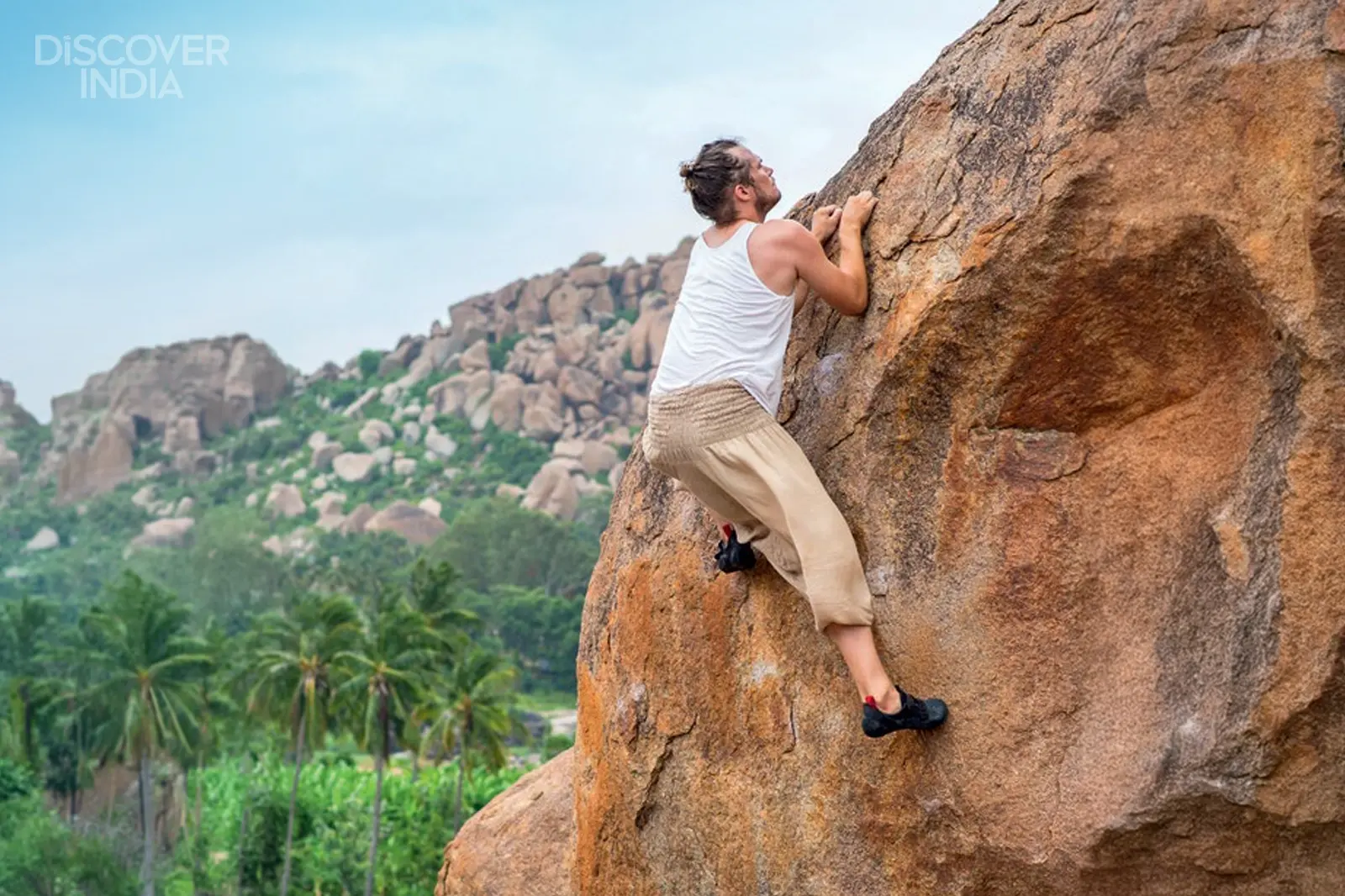
What makes bouldering in Hampi such a unique adventure?
Hampi is famous for its UNESCO-listed ruins, but its extraordinary landscape offers another reason to visit.
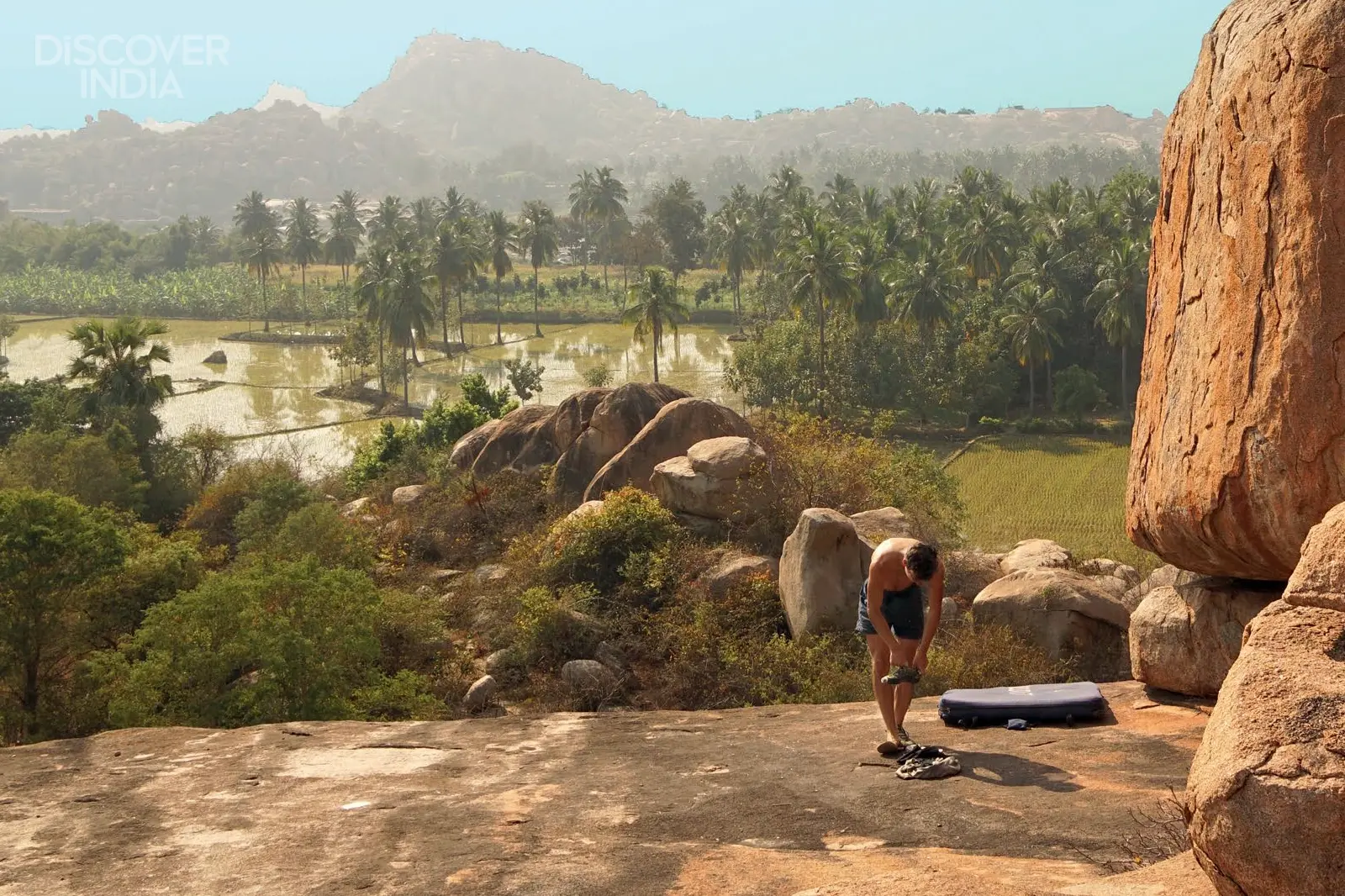
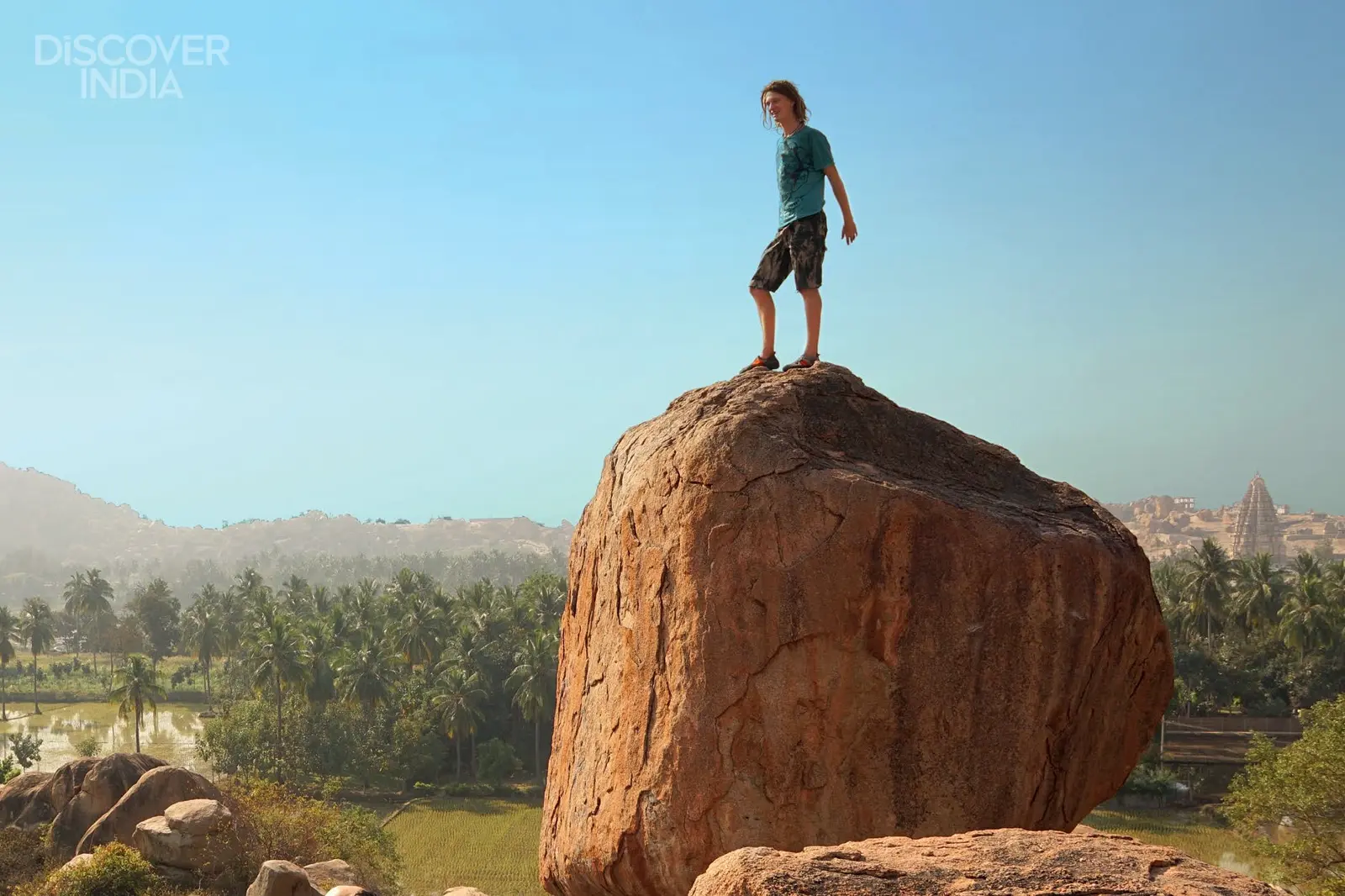
The enormous granite boulders scattered around the region have long attracted climbers, making Hampi a natural playground for bouldering. Around the historic landscape, local climbing communities and gear providers can introduce beginners to the basics or help experienced climbers find suitable routes.
It is perhaps the most unexpected way to see Hampi: not from a temple courtyard, but halfway up a boulder, looking across one of India's most remarkable archaeological landscapes.
Plan it: Use local climbing guides or established climbing communities, particularly if you are new to the sport.

FAQs (Frequently Asked Questions)
The peak season for most parts of India is from October to March when the winter climate is pleasantly cool and dry. Hill stations in the Himalayas are best visited between April and June, while monsoon travel (July to September) offers lush green landscapes in places like Kerala and Goa.
Yes, certain border and tribal areas (such as parts of Ladakh, Sikkim, Arunachal Pradesh, and the Andaman Islands) require an Inner Line Permit (ILP) or Protected Area Permit (PAP). You can obtain these online or through registered local tour operators.
Pack breathable cotton or linen clothing, comfortable walking shoes for palace and fort explorations, sun protection (sunglasses, hat, sunscreen), modest attire for temple visits covering shoulders and knees, and a light jacket for cooler desert or mountain evenings.
You can book authorized government-approved guides at major monument ticket desks, through luxury hotel concierges, or via verified local experiential travel platforms recommended by Discover India.
What Makes Satpura a Different Kind of Safari?
Explore Assam’s Tea Country
One Sweet Day in Mumbai
What Lies Beyond Goa’s Beaches? A Wild Trail Through Chorao
Would you dare? 25 adventures that will take you to India’s wildest corners