Varanasi
Sacred to Hindus, Jains and Buddhists, Varanasi is a city where spirituality, art and commerce have intertwined for centuries. It shaped the lives and works of spiritual giants such as Adi Shankara, Tulsidas, Kabir and Ravidas, while earning renown for its silk, perfumes and carpets. More than an ancient city, Varanasi is a living journey through India’s spiritual and cultural history.

- A comprehensive travel guide exploring Varanasi's 88 sacred ghats, heritage landmarks, and centuries-old spiritual legacy.
- Details local street food, international dining spots, famous craft markets for Banarasi silk and brassware, and iconic cultural festivals.
- Provides essential travel logistics, including local transport tips, best times to visit, and recommended luxury and heritage hotel stays.
What makes Varanasi’s ghats so special?
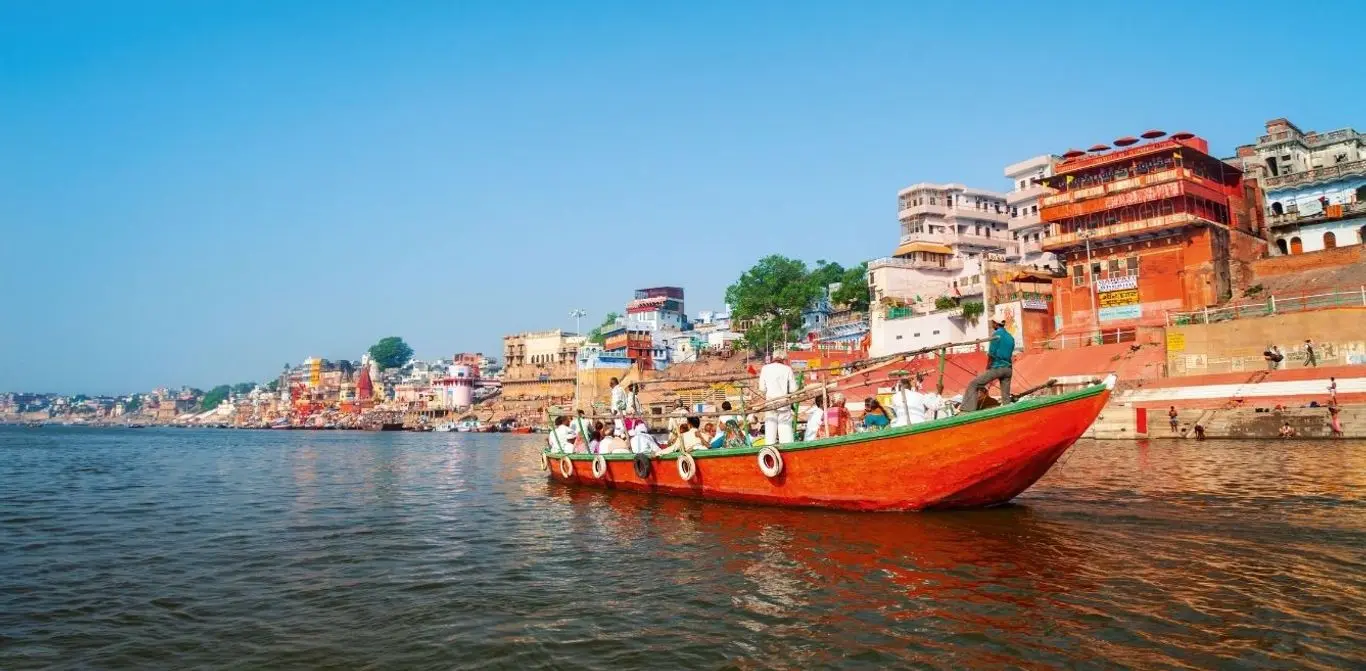
A total of 88 ghats, or stepped banks, line the holy River Ganga, lending Varanasi its unique character and serving as the centre of much of the city’s religious activity. The most famous is the Dashashwamedh Ghat, where, according to legend, Lord Brahma performed the Dasa Ashwamedha, or the sacrifice of 10 horses. Located at the confluence of the Ganga and its tributary Assi is the Assi Ghat, which marks the southern boundary of the city. Considered the gateway to the afterlife, Manikarnika Ghat is believed to be one of the most auspicious places for cremation. Candle-lit flower bowls floating in the river here make for an awe-inspiring sight. A boat ride lets you take in the numerous ghats.
Which heritage landmarks should you explore in Varanasi?
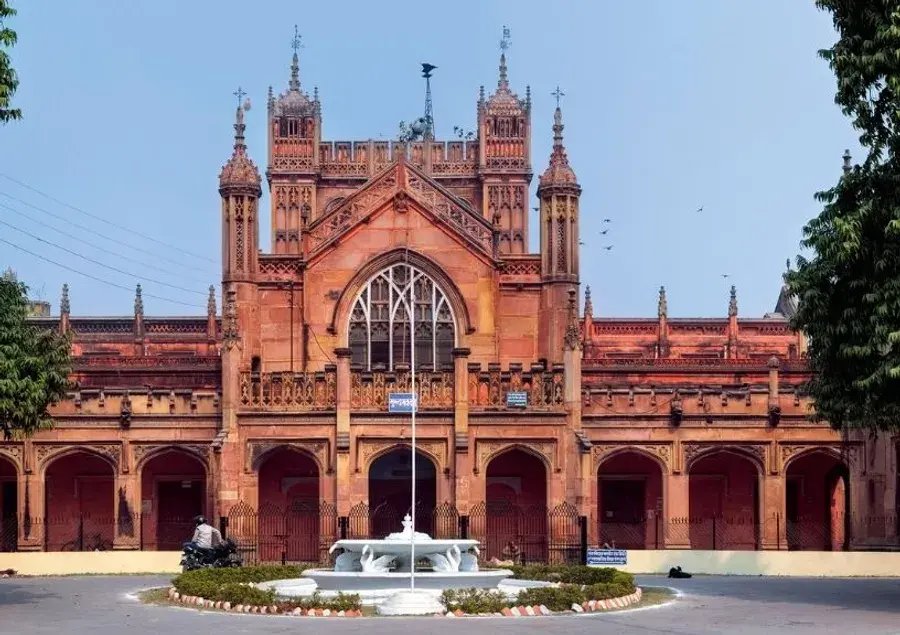
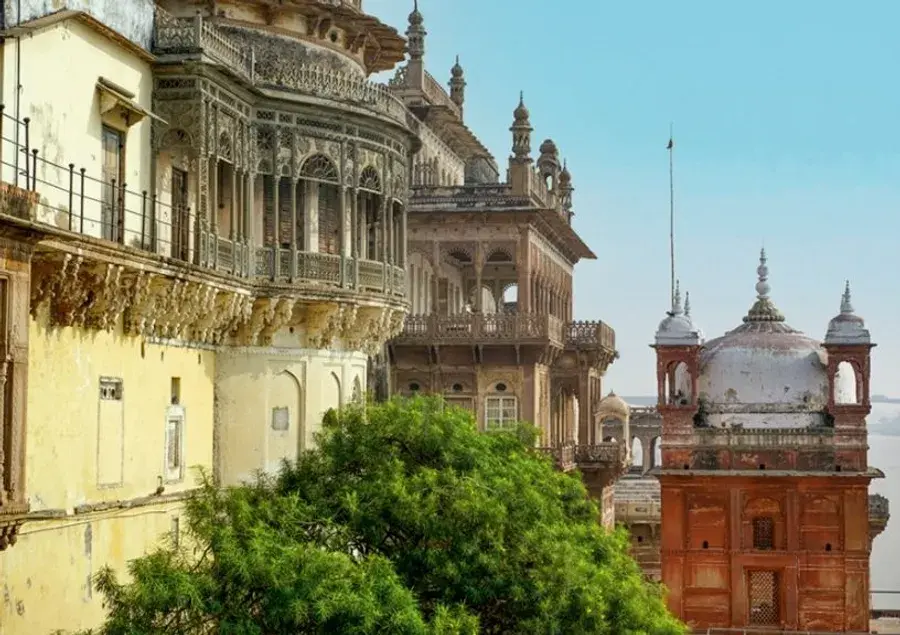
Beyond the spiritual essence of Varanasi are landmarks that speak of the city’s history and heritage. With around 30,000 students, Banaras Hindu University (bhu.ac.in) is the largest residential university in Asia. Established in 1916, it features Indo-Gothic architecture. Located within the campus is the Bharat Kala Bhavan Museum, which displays over 1,00,000 artefacts, including sculptures, paintings, pottery, and textiles from the 1st to the 15th century. The 18th-century Ramnagar Fort, stretching along the Ganga opposite Tulsi Ghat, exhibits Mughal architecture and houses a museum of vintage cars and medieval costumes. It is also associated with the former Maharaja of Benares, a title abolished officially but still in common parlance in the region.
What are Varanasi’s unique attractions?
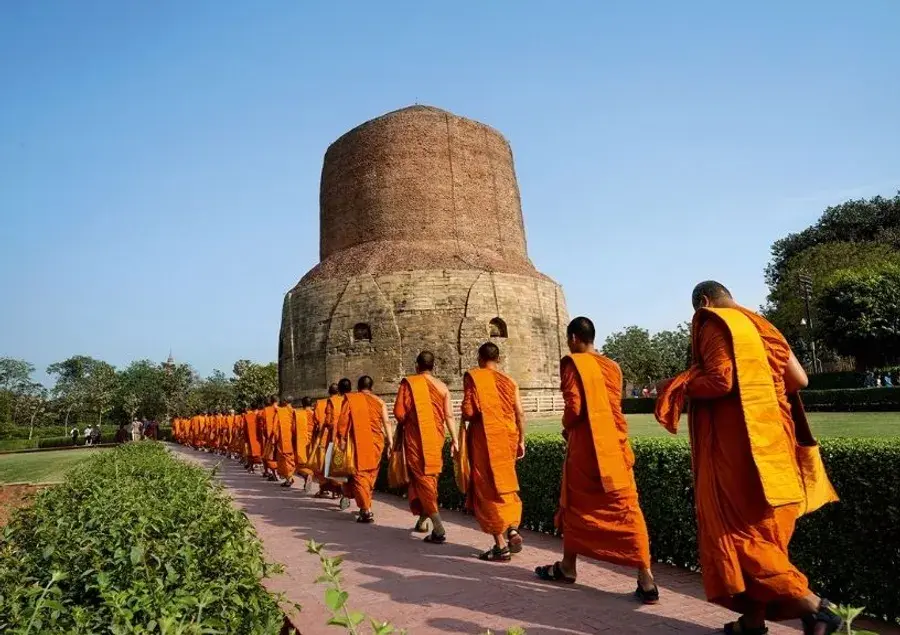
Barely 10 kilometres from Varanasi is Sarnath, where Lord Buddha delivered his first sermon. Numerous stupas, excavation sites, temples, and museums make it a popular destination. The water of the Gyan Vapi Well was once considered holier than that of the Ganga. Today, the well is located within the Gyanvapi complex, adjacent to the Kashi Vishwanath Temple. The history of the site is linked to successive religious structures and remains the subject of legal and historical debate.
The Man Mandir Observatory sits atop Man Singh Palace and was built in 1737 by Sawai Jai Singh II, the founder of Jaipur.
Where to eat in Varanasi
A mélange of people from around the world call Varanasi their home, and this cultural mix is reflected in its culinary landscape.
What international cuisines can you find in Varanasi?
The Pizzeria Vaatika Café (pizzeriavaatika.in) near Assi Ghat serves vegetarian pizzas, apple pies, and ice cream in a garden overlooking the ghat. The café continues to operate from its Assi Ghat location and describes itself as one of India’s first authentic Italian pizzerias.
In the same area, the Hayat Mediterranean offers an authentic selection of Middle Eastern delicacies, drinks, and flavoured shishas in relaxed lounge-style seating. In Shivala, head to IBA Cafe & Restaurant for Japanese fare or to Bread of Life Bakery & Restaurant for freshly baked muffins, steaming moussakas, ratatouille, and more. IBA Cafe & Restaurant continues to offer Japanese and other international cuisines in Shivala.
Brown Bread Bakery in Bangali Tola does a range of breads, rolls, and Tibetan dishes. The bakery and restaurant continues to operate in Bangali Tola and remains known for its bakery and international food offerings.
Which local foods should you try in Varanasi?
In Varanasi one can find entire lanes dedicated to street fare, the Kachori & Samosa Gali near Dashashwamedh Ghat is one example. Pahalwan Lassi Bhandar in Lanka, Varanasi, is recommended for thick lassis served with a generous dollop of malai (clotted cream). The establishment remains operational in Lanka.
Kashi Chaat Bhandar in Godowlia is a hot favourite for mouthwatering chaats like tamatar ki chaat, meethe golgappe, chena dahi vada, and palak chaat. For sweet offerings such as creamy malaiyyo and rabri jalebi, head to New Rajshree Sweets near Kachahari Chauraha. One should not leave Varanasi without sampling Banarasi paan (betel leaf stuffed with condiments), and Rajendra Chaurasia Paan on Panchkosi Road is a well-known place for it. Kashi Chaat Bhandar and New Rajshree Sweets continue to operate at their Varanasi locations.
Where can you find fine dining in Varanasi?
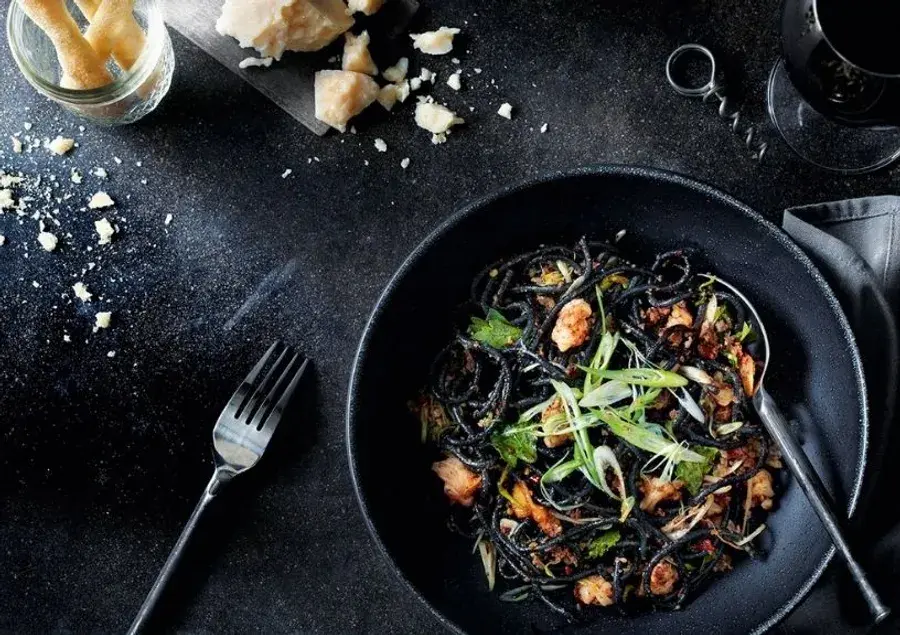
Housed in the 200-year-old heritage building of Hotel Surya, the multi-cuisine Canton Royale is known for its Indian thalis and Continental fare served in a colonial ambience with live music. Hotel Surya and Canton Royale continue to operate, with Canton Royale now offering a broad selection of international cuisines alongside Indian food.
With stark, minimalist interiors, The Palate in Ramada Plaza (ramadajhvvns.com) is the place to be if you seek a luxe dining experience in Varanasi. The restaurant continues to operate at Ramada Plaza JHV and offers Indian, international and Asian cuisine.
Located in the oldest hotel in the city, 1951 at Clarks Hotel (clarkshotels.com) offers a range of Indian, Continental, and Chinese delicacies. The restaurant remains part of The Clarks Varanasi and continues to serve Indian, Chinese and Continental cuisine.
Where can you experience Varanasi’s nightlife?
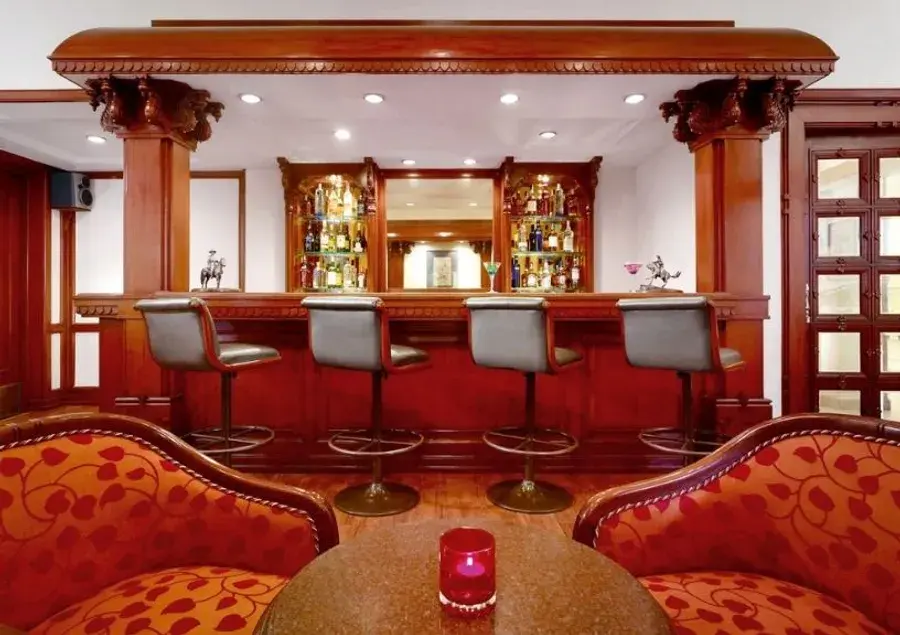
One of the best places to escape the din of the city and slow down with a chilled beer and good finger food is Trishna Pub in Sigra. In Nadesar, Mangi Ferra Café offers a lively atmosphere with a selection of drinks, vegetarian and meat platters, and pizzas. Established in honour of artist James Prinsep, who spent many afternoons here sketching the ghats, the stately Prinsep Bar in Taj Ganges (tajhotels.com) is a classy destination. For the most happening nightlife, though, the place to visit is the 3rd Floor Bar Stock Exchange in Sigra.
What festivals and cultural experiences should you not miss in Varanasi?
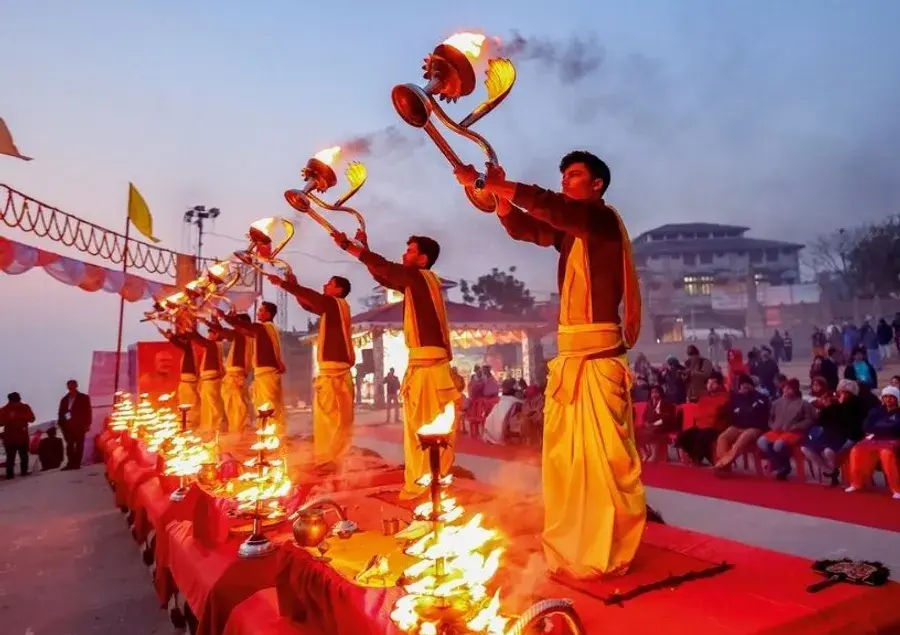
In Varanasi, vibrant ceremonies and grand festivals make for unique spectacles. The famed Ganga Aarti, held daily at dusk at Dashashwamedh Ghat, attracts onlookers by the droves. In the hypnotic ceremony, the priests move large lighted lamps to the tune of prayer—a ritualistic offering to the Ganga.
Held for a month in autumn, the Ramnagar Ramlila is a centuries-old tradition and has been recognised as part of UNESCO’s Representative List of the Intangible Cultural Heritage of Humanity. UNESCO’s inscription covers Ramlila traditions across northern India, with Ramnagar among the representative traditions.
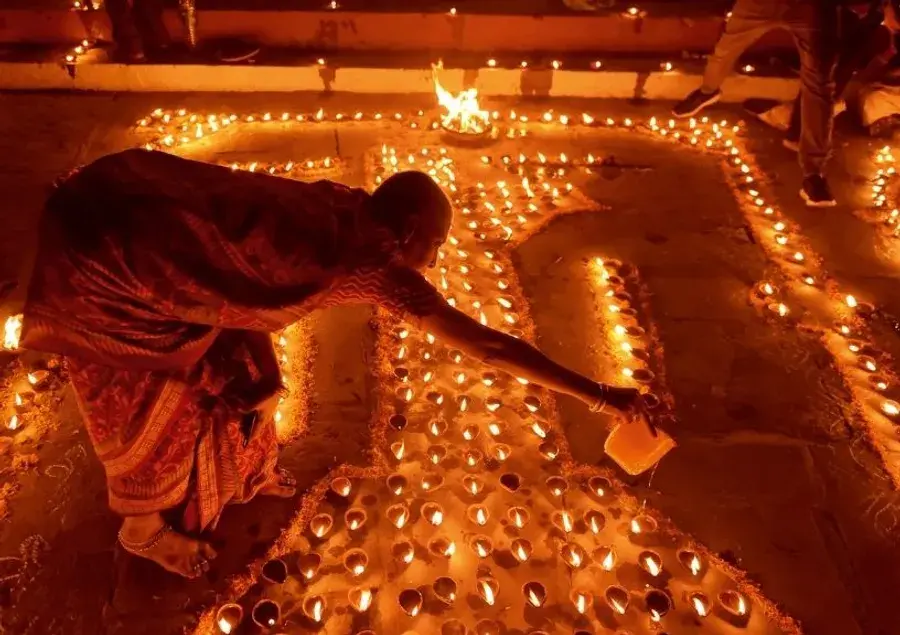
The grand Ganga Mahotsav is generally held over five days in November, during which the rich culture and heritage of Varanasi is showcased through classical music, country boat races, crafts fairs, etc. The final day traditionally coincides with Dev Deepawali, when the ghats are lit with thousands of earthen lamps in honour of the holy river—a dazzling sight regardless of your beliefs.
How many temples can you discover in Varanasi?
Big and small, decorated and sparse, famous and obscure, an estimated 23,000 temples can be found in Varanasi. The figure continues to be cited in contemporary sources, although it is an estimate rather than an official current count.
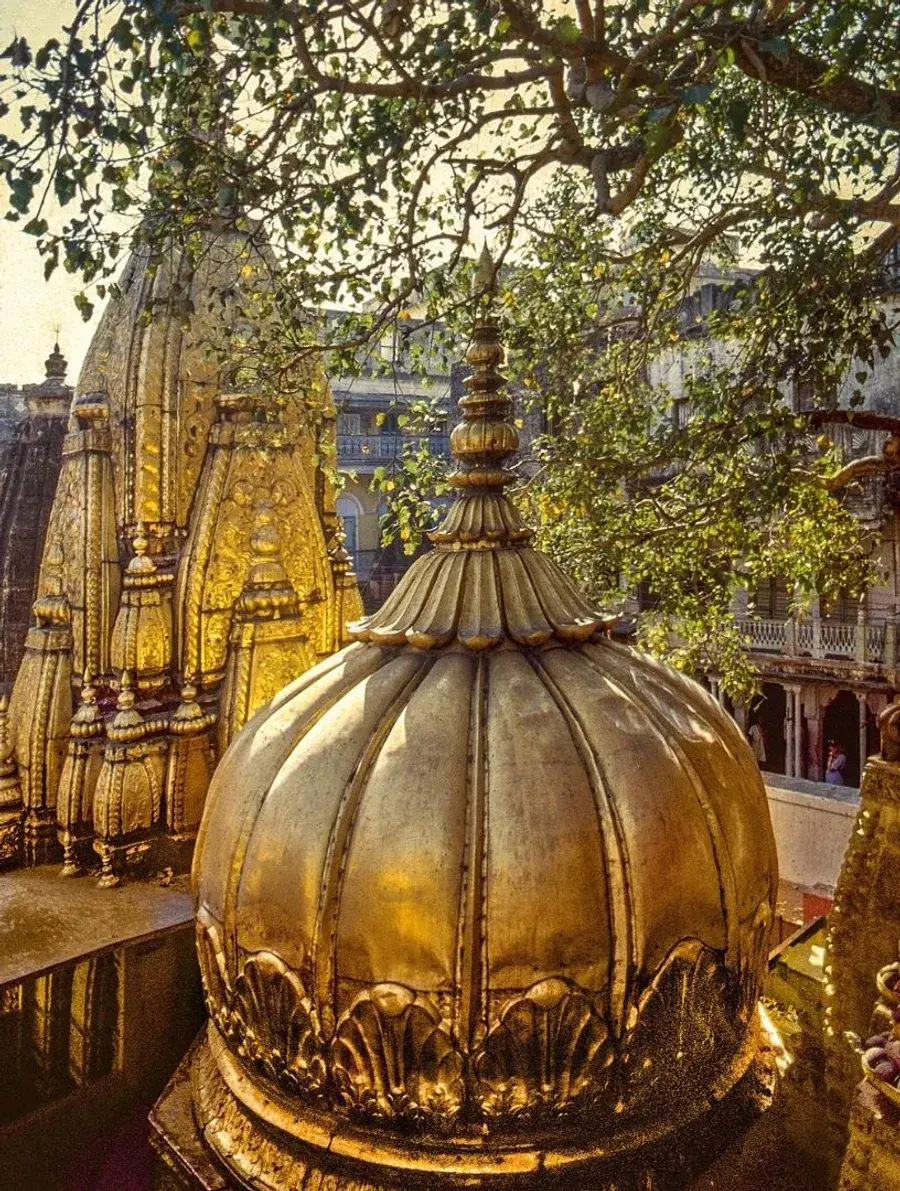
The most important shrine and the biggest attraction is the Kashi Vishwanath Temple (shrikashivishwanath.org). It is one of the 12 Jyotirlingas and perhaps the holiest of Shiva temples. Destroyed and reconstructed several times in history, the current temple was built by the Maratha ruler, Ahilya Bai Holkar, in 1780.
Another popular temple is the serene Tulsi Manas Temple, constructed in white marble at the site traditionally associated with Tulsidas and the composition of the epic Ramcharitmanas. A place of worship for Aghoris and Tantriks, the Batuk Bhairav Temple (batukbhairav.com) features a lamp that is said to have healing powers. The Bharat Mata Temple is a unique shrine dedicated not to any god or goddess, but to Mother India. It features a large relief map of the country carved in marble on the floor.
What should you shop for in Varanasi?
An array of famous products associated with Varanasi makes the city a shopper’s paradise.
Why are Banarasi silk saris so famous?
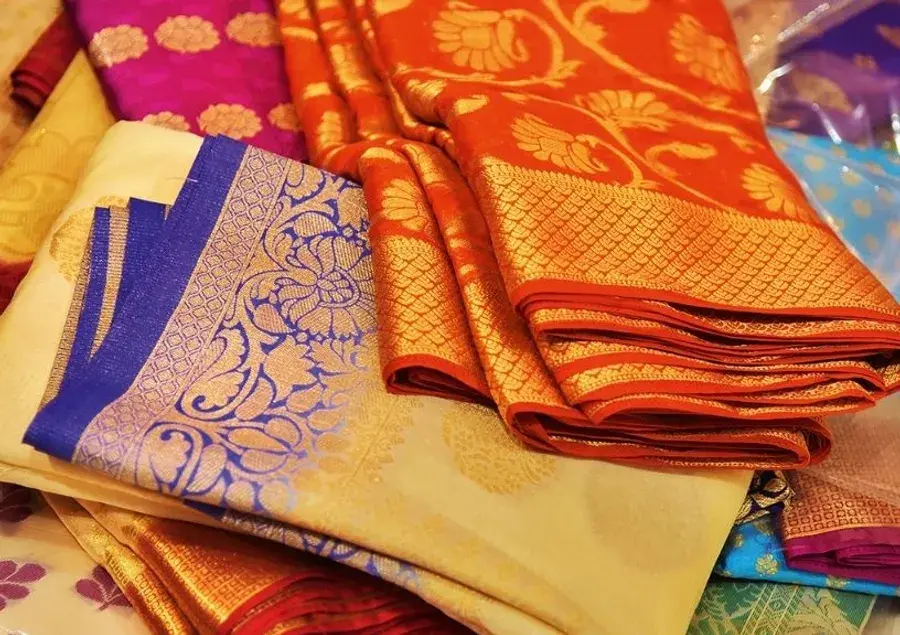
The city is best known for the resplendent and utterly gorgeous Banarasi silk saris. Among the finest saris made in the subcontinent, Banarasi saris are known for their smooth fabric adorned with gold and silver brocade, or zari, and opulent embroidery. While these saris are available at almost all the markets as well as standalone shops, the best places to score great wholesale deals are Rajan Silk Market (banarasi.net), Mehrotra Silk Factory (mehrotrasilk.com), and Godowlia market.
What souvenirs should you bring back from Varanasi?
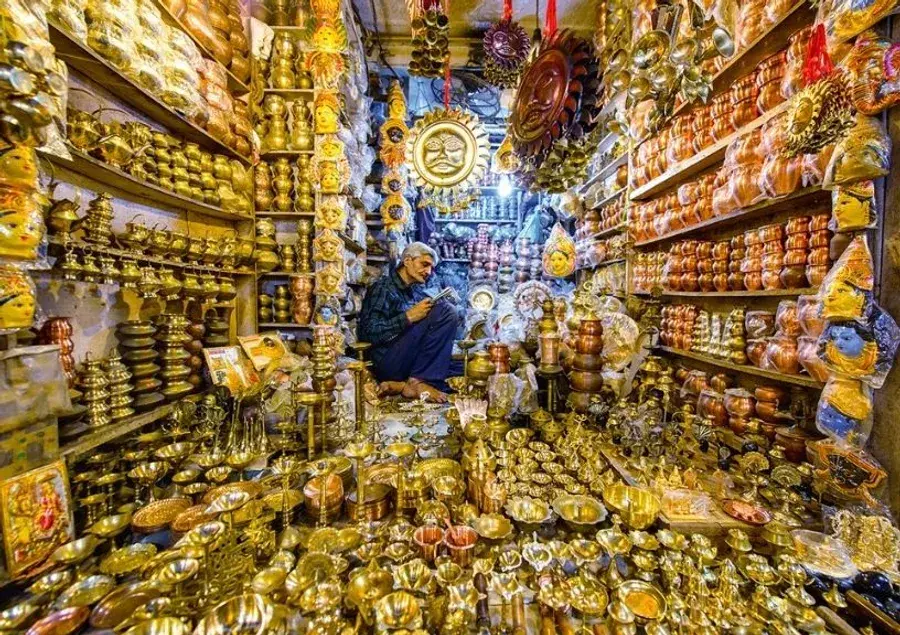
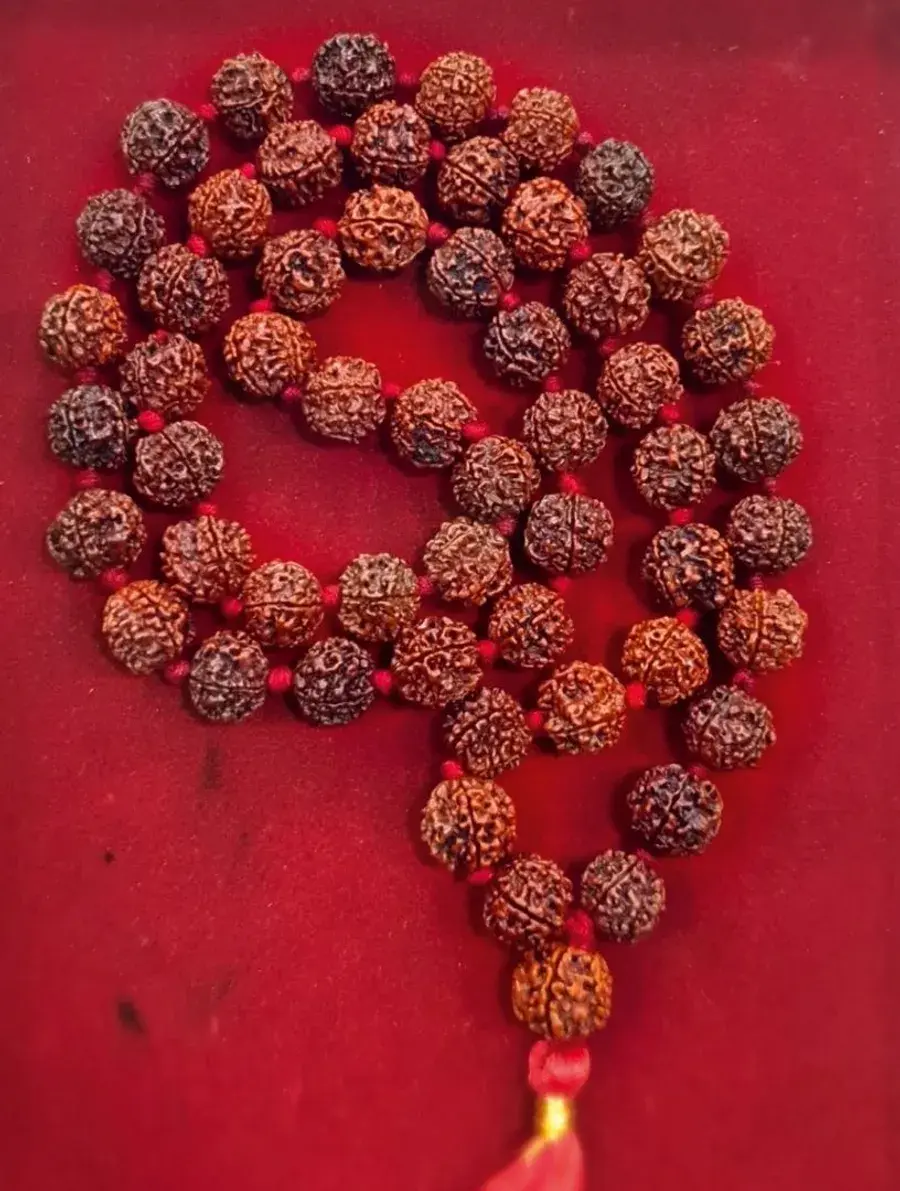
Most visitors to Varanasi return with plastic canisters of Ganga water, but for an eco-friendly alternative, opt for copper cans that are available in many shops around the ghats. Shivling idols can be bought from the vibrant Vishwanath Gali. They are available in stone and crystal, and start at INR 100/ USD1.5. Rudraksha necklaces, which comprise beads made from the polished seeds of the Rudraksha tree, are sought after; authentic ones can be bought from Banaras Rudraksham near Kashi Vishwanath Temple.
What local crafts is Varanasi known for?
Banarasi Gulabi Meenakari is a rare craft practised in the lanes of Gai Ghat. One can buy jewellery, home decor items, and souvenirs adorned with this beautiful Persian art form. Varanasi also has a major glass-bead-making tradition, with beads made into colourful bracelets, anklets, and earrings, available at Thatheri Bazar. The market is also known for its copper and brass artefacts, and antiques with stone trim work. For handloom and handicrafts, Chowk and Urban Haat are the best bets, while Banaras Art Gallery houses a huge collection of paintings and sculptures by local artists.
How do you get around Varanasi?
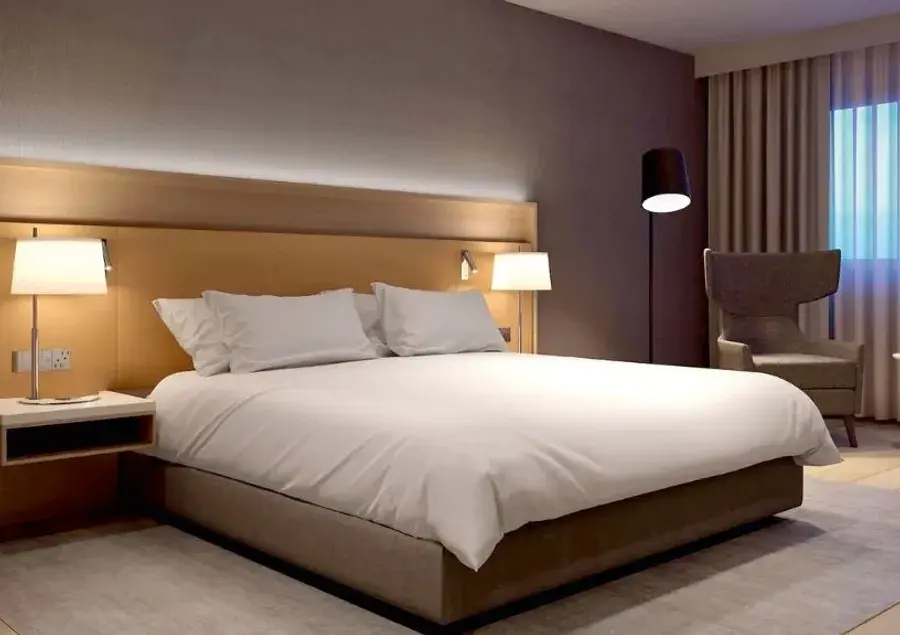
Lal Bahadur Shastri International Airport serves Varanasi with regular flights from major Indian cities, while Varanasi Junction and Banaras railway station are the main train hubs. State-run bus services are available from neighbouring cities and towns. Within Varanasi, the best way to get around is on foot, especially in the old areas near the ghats where the winding lanes are too narrow for vehicles. For short-distance commute, auto rickshaws and cycle rickshaws are ideal; prepaid taxi services are available for longer trips. The city also offers a luxury Maharaja Rickshaw service at affordable prices.
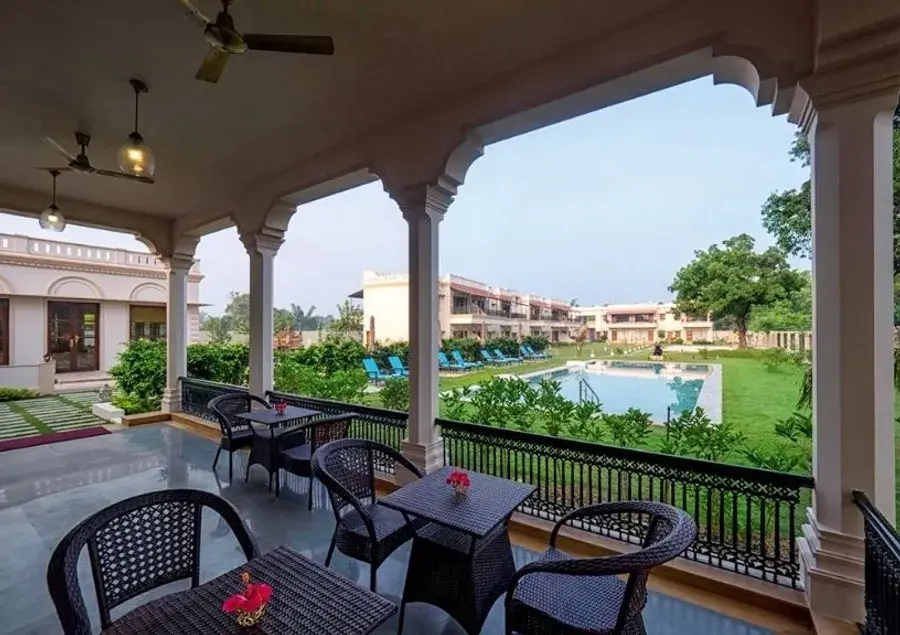
Where should you stay in Varanasi?
Sample the ancient city through its heritage resorts, or opt for a no-frills modern accommodation.
Radisson Hotel Varanasi
Located close to the main ghats and important sights of the city, this upscale business hotel offers 116 rooms and suites appointed with all modern amenities. A stay here comes with complimentary services such as daily buffet breakfast, two bottles of water, newspaper, and Wi-Fi. The hotel also offers a 24-hour travel desk, which can arrange a chauffeur-driven car to take you around town. The outdoor pool is great for a relaxing swim, while the fitness centre takes care of your workout needs. In-house dining choices include The Great Kebab Factory, which serves a range of kebabs and Indian delicacies; a coffee shop; a bar; and a lounge.
Address:
The Mall, Cantonment, Varanasi, Uttar Pradesh;
radissonhotels.com
The Tree of Life Resort & Spa
An oasis of peace, this resort features suites designed in local architectural style with a high ceiling, private sit-out, teak wood carved furniture, and a Shiva mural painted on the wall. The Ganga Kund here is an abridged version of the ghats, featuring steps leading down to a sacred pond, where you can participate in prayer ceremonies and light floating lamps. Unwind with a book at the charming sit-out called Barja, or enjoy a drink in the Yantra lounge. Other offerings include a multi-cuisine restaurant, al fresco dining around a chiku tree with a crackling fireplace, and a spa. The resort continues to operate at Kazi Serai, Varanasi.
Address:
Kazi Serai, Sehlampur, Uttar Pradesh;
treeofliferesorts.com
Taj Nadesar Palace
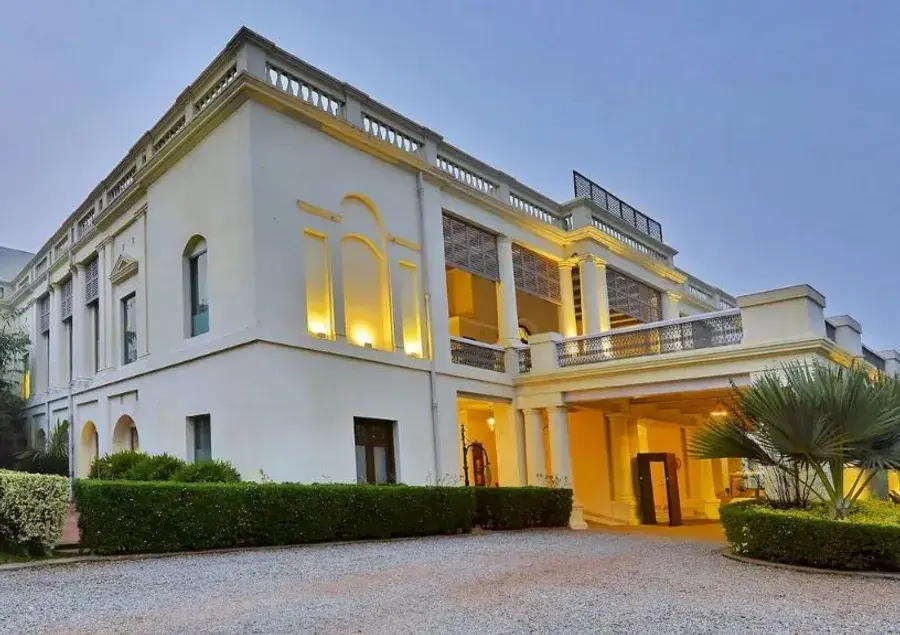
Set amid mango orchards and jasmine fields, the historic Nadesar Palace has been known to host royalty, statesmen, and celebrities since 1835. Now converted into a lavish five-star hotel by the Taj Group, the property retains its old-world charm and way of life. The highlight is a guided tour of the property in the ‘Royal Horse Carriage’. Besides three categories of luxuriously appointed rooms with garden or pool views, there’s a mini golf course; The Dining Area, serving global and Indian cuisines; and Jiva Spa, where you can try the revitalising Abhisheka treatment, among others.
Address:
Nadesar Palace Grounds, Varanasi, Uttar Pradesh;
tajhotels.com
Guleria Kothi
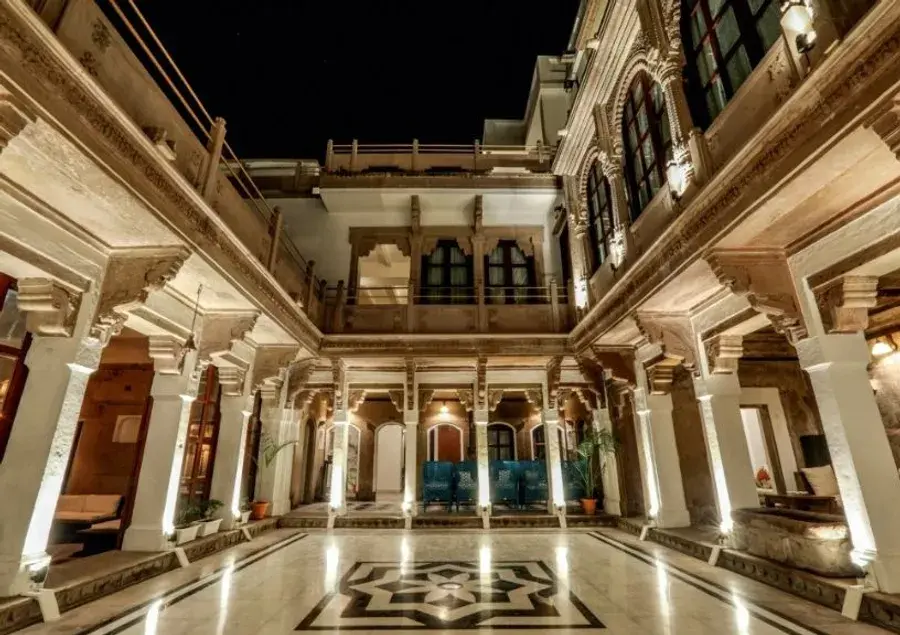
This is a magnificently restored 18th-century riverfront house located on Guleria Ghat. The boutique heritage property offers a taste of traditional Indian hospitality with modern comforts. The 15 rooms here provide breathtaking views of the river, while the exteriors feature sandstone quarried from the Chunar area in the structural columns, beams, and walls. Sprawling courtyards, quaint nooks and water features, and long marbled verandahs and corridors lend a touch of charming grandeur to the place. Overlooking the Ganga, Cafe Guleria offers delectable food in a laid-back setting, while the rooftop fine-dining eatery, Ganga Teere, does authentic Indian cuisine. The property continues to operate as a heritage boutique hotel on Guleria Ghat.
Address:
CK 1/14 Ram Ghat Road, Near Ganesh Mandir Ghat Chowk, Patni Tola, Varanasi;
guleriakothi.com
FAQs (Frequently Asked Questions)
The peak season for most parts of India is from October to March when the winter climate is pleasantly cool and dry. Hill stations in the Himalayas are best visited between April and June, while monsoon travel (July to September) offers lush green landscapes in places like Kerala and Goa.
Yes, certain border and tribal areas (such as parts of Ladakh, Sikkim, Arunachal Pradesh, and the Andaman Islands) require an Inner Line Permit (ILP) or Protected Area Permit (PAP). You can obtain these online or through registered local tour operators.
Pack breathable cotton or linen clothing, comfortable walking shoes for palace and fort explorations, sun protection (sunglasses, hat, sunscreen), modest attire for temple visits covering shoulders and knees, and a light jacket for cooler desert or mountain evenings.
You can book authorized government-approved guides at major monument ticket desks, through luxury hotel concierges, or via verified local experiential travel platforms recommended by Discover India.
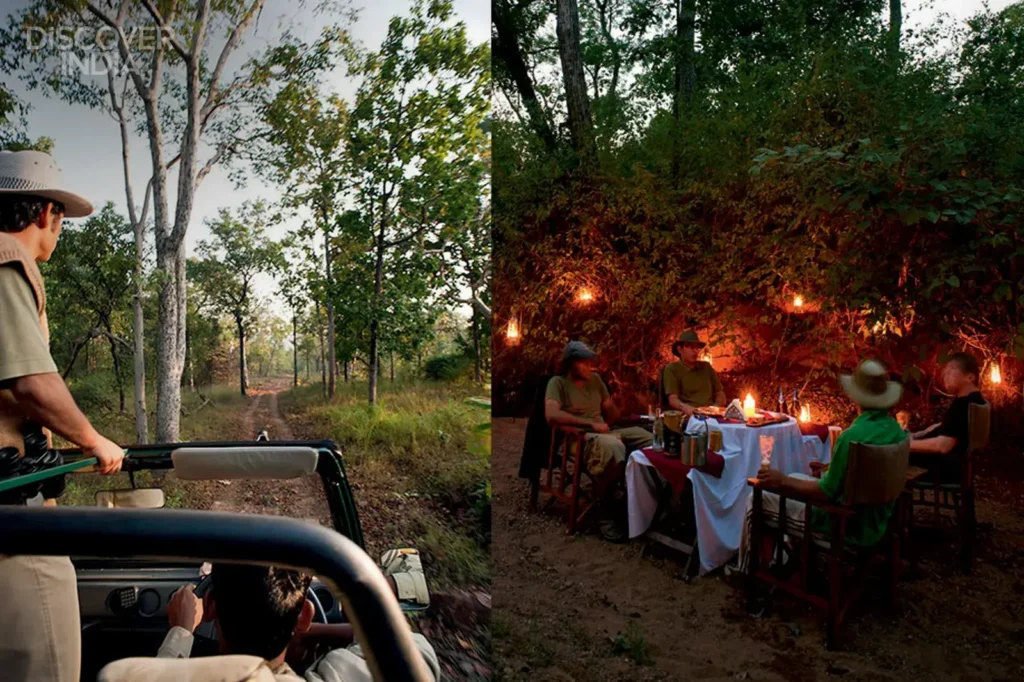
What Makes Satpura a Different Kind of Safari?
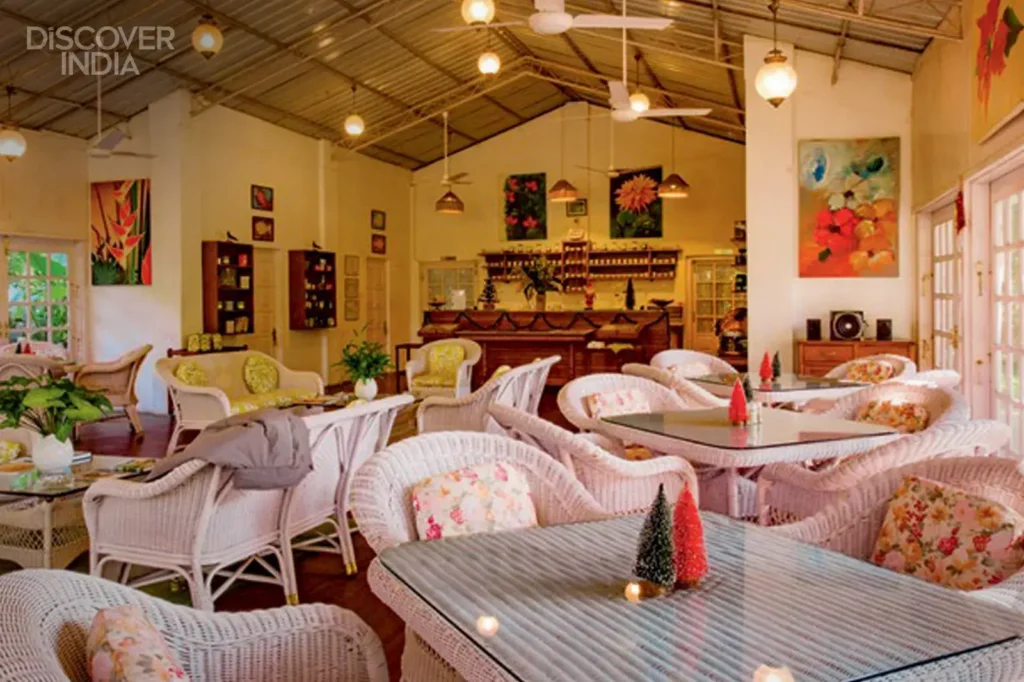
Explore Assam’s Tea Country
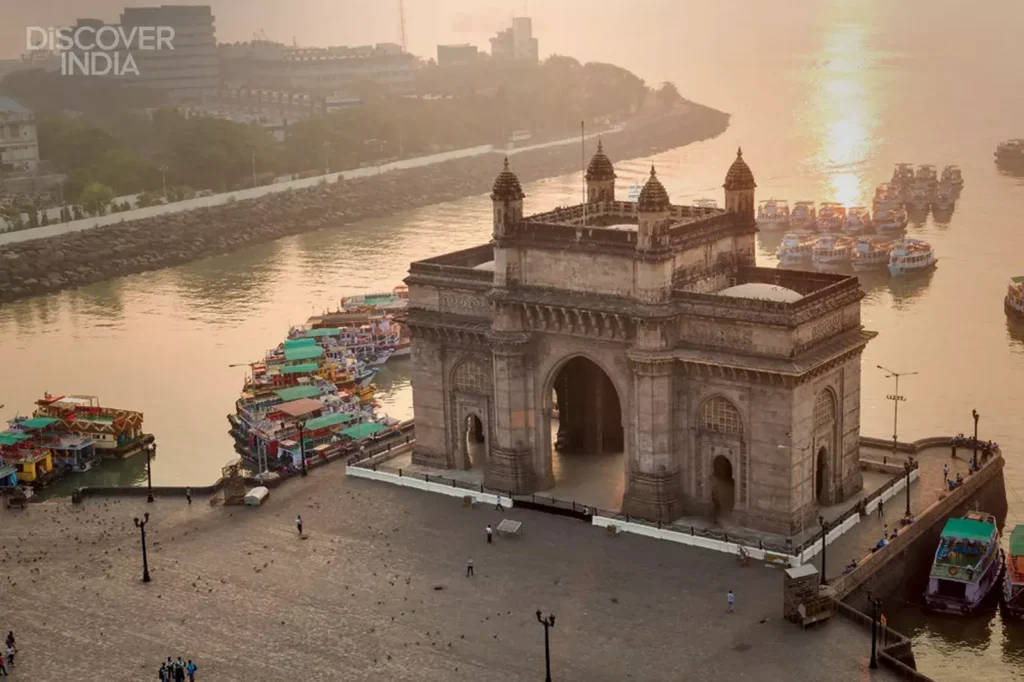
One Sweet Day in Mumbai
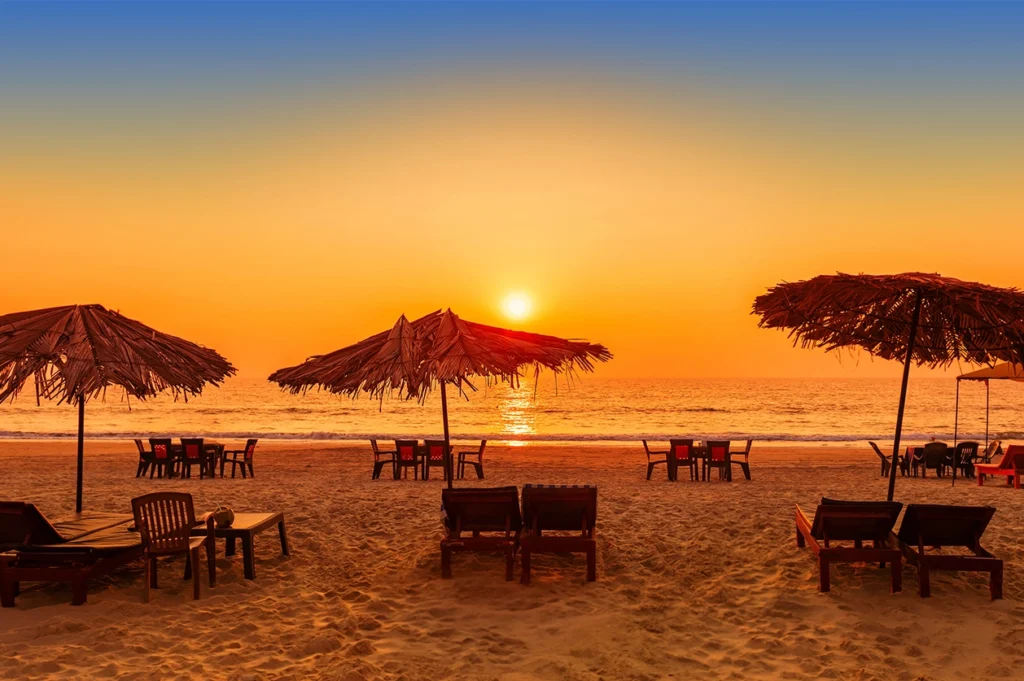
What Lies Beyond Goa’s Beaches? A Wild Trail Through Chorao
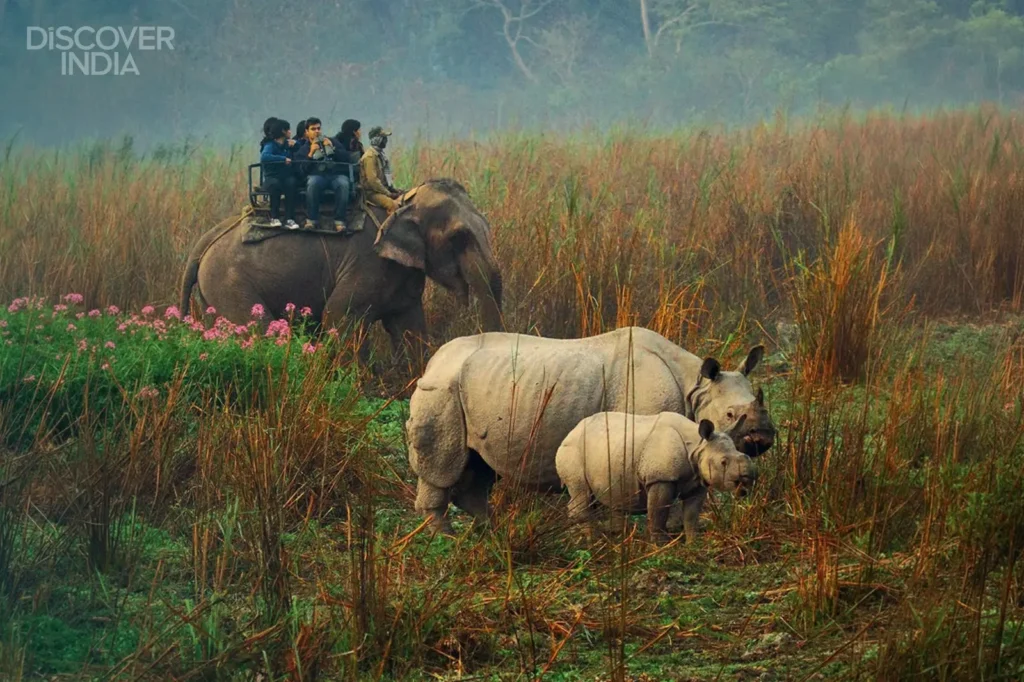
Would you dare? 25 adventures that will take you to India’s wildest corners