One Sweet Day in Mumbai
It takes a while to imbibe the charm and chaos of Mumbai. The city’s cutting-edge art, unique gastronomical offerings, scenic sunrises, and signature sundowners warrant multiple visits. But here’s how you can make the most of a day-long stopover.

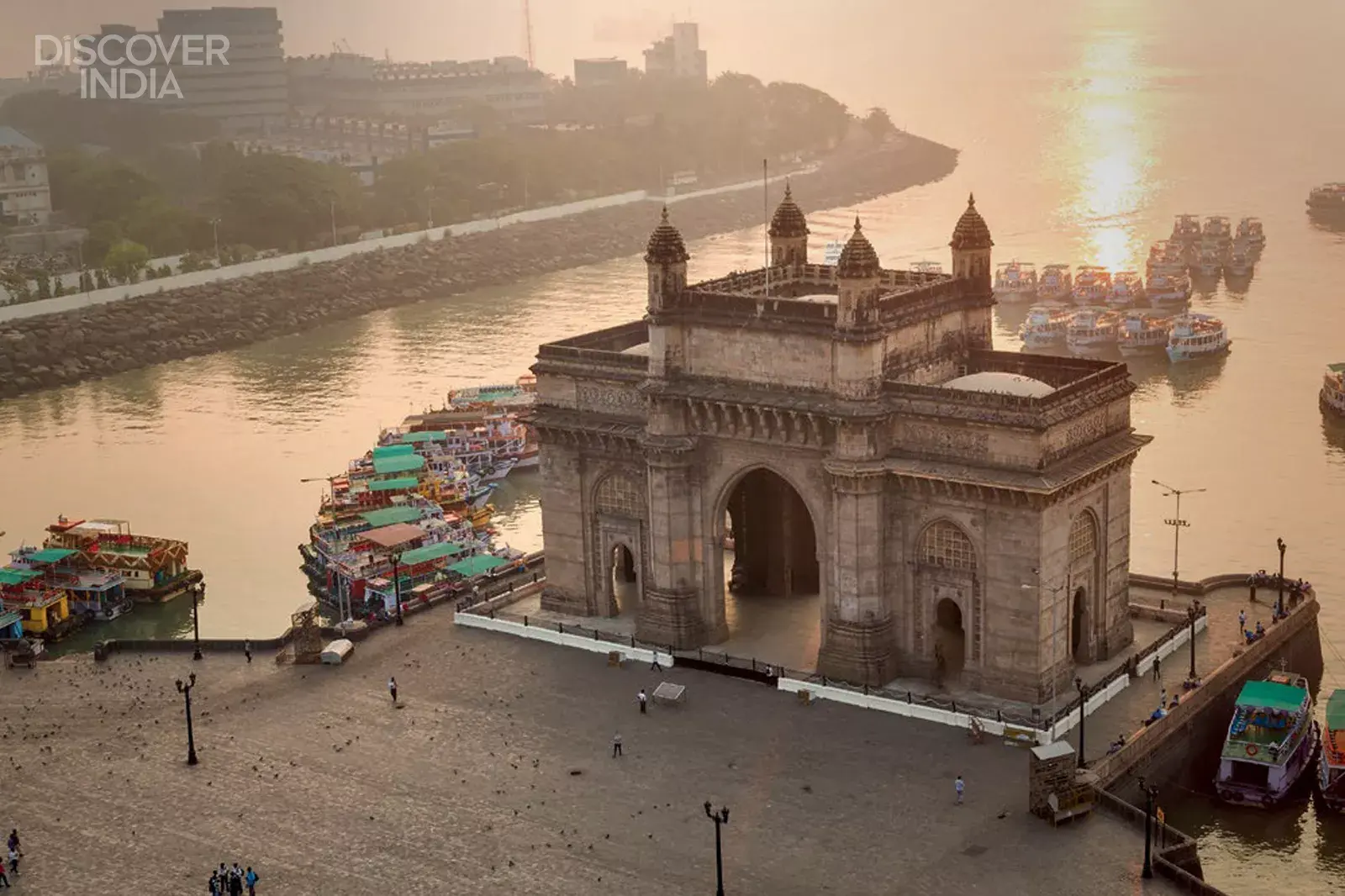
- A one-day Mumbai itinerary moves from a sunrise at the Gateway of India to breakfast, art, Parsi cuisine, Marine Drive and evening drinks.
- The route focuses on South Mumbai’s heritage, food, art and waterfront experiences, making the most of a short stopover.
- Practical details include airport access, where to stay, the best time to visit and a nearby UNESCO World Heritage Site.
6:00 am — Where can you watch the sunrise in Mumbai?
Emblematic of Mumbai, The Gateway of India is the perfect spot to begin your day-long sojourn in the City of Dreams. It graces the tip of the Wellington Pier and overlooks the Arabian Sea. The arch made of basalt sports the Indo-Saracenic style of architecture. The area is usually busy with activity all day long, so it is recommended you catch it in its tranquil glory with a sunrise in the frame.
8:00 am — Where Can You Have a Historic Breakfast in Mumbai?
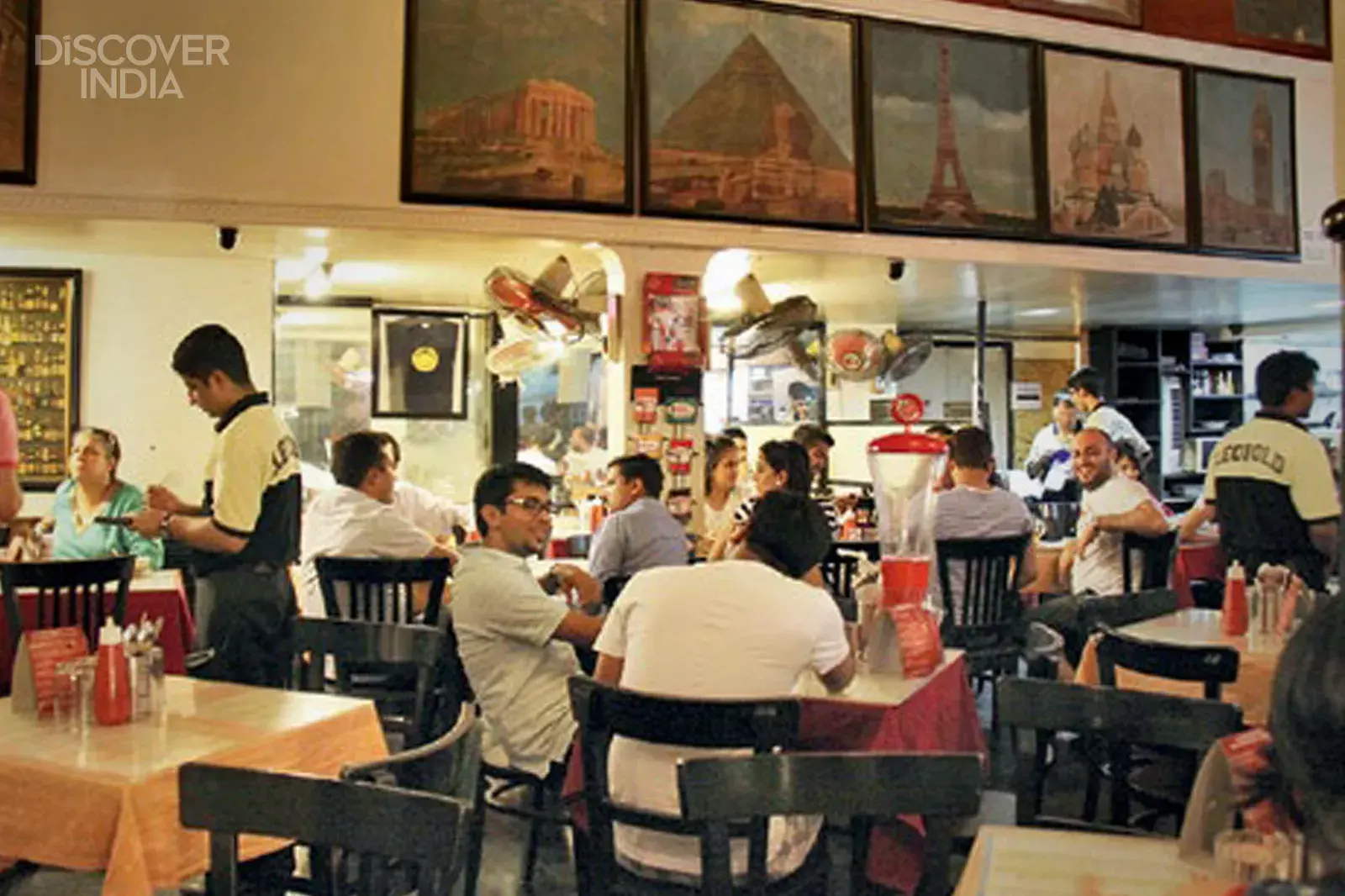
People like clichés for a good reason. Mumbai’s iconic Leopold Cafe & Bar is a case in point. Serving patrons since 1871, the cafe is far from fancy and draws people with its old-school vibe: cloth-lined square tables, vintage wall hangings such as that of the Coca-Cola logo, and quotes from The Godfather, among other things.
Minutes from the Gateway of India, the cafe opens as early as 7:30 am, and serves Indian, Continental, and Chinese dishes. You can also gulp beer for breakfast, if you feel like it.
10:00 am — Where can you explore art in South Mumbai?
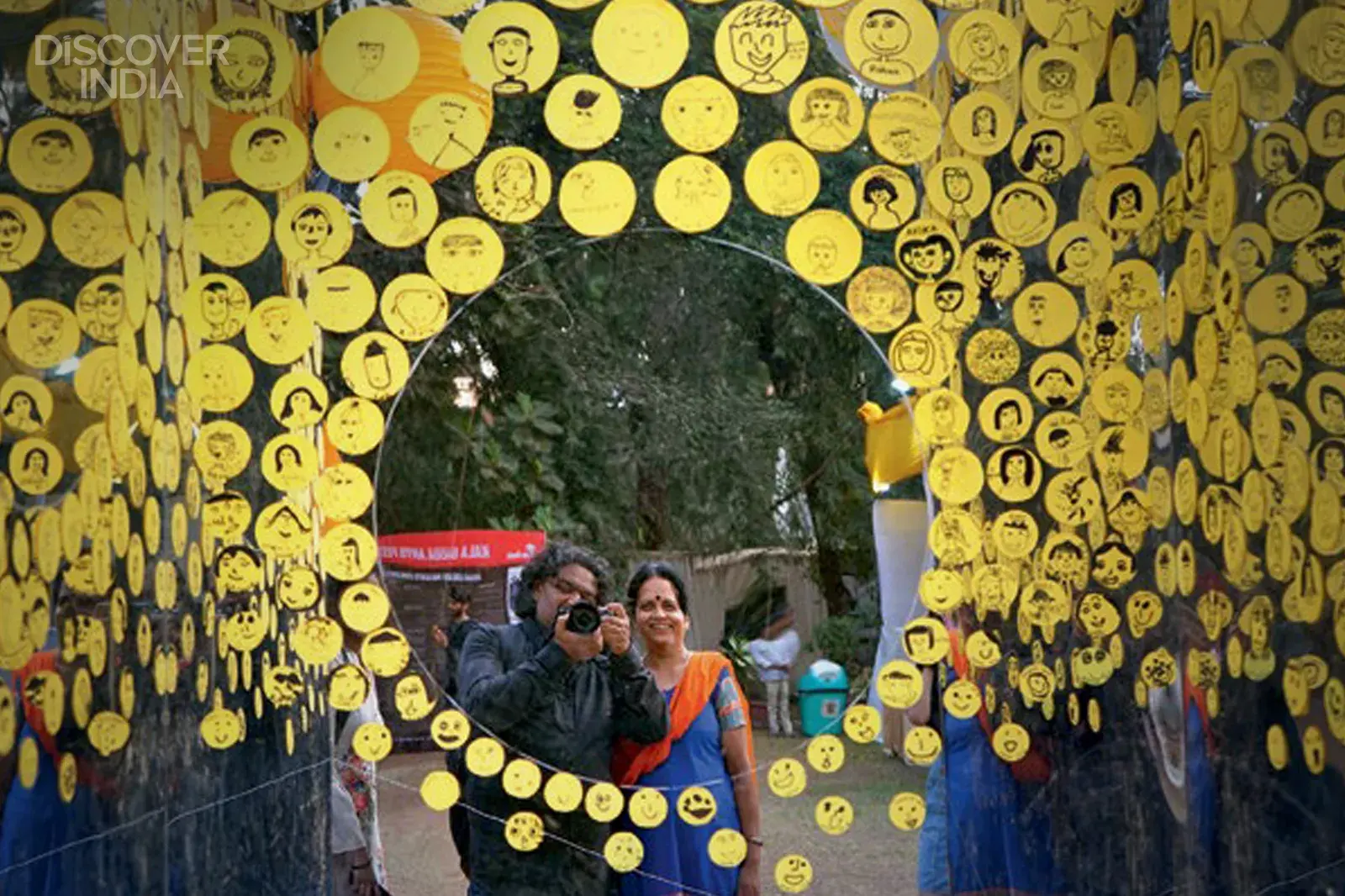
At the heart of South Mumbai lies the art district of Kala Ghoda. It is dotted with designer boutiques, cafes, and independent as well as established art galleries, including the National Gallery of Modern Art and Jehangir Art Gallery.
The region plays host to the Kala Ghoda Arts Festival, one of India’s biggest multi-cultural street art events. Explore on your own or sign up for a guided tour offered by organisations such as India Heritage Walks.
2:00 pm — Where Should You Go for Parsi Food in Mumbai?
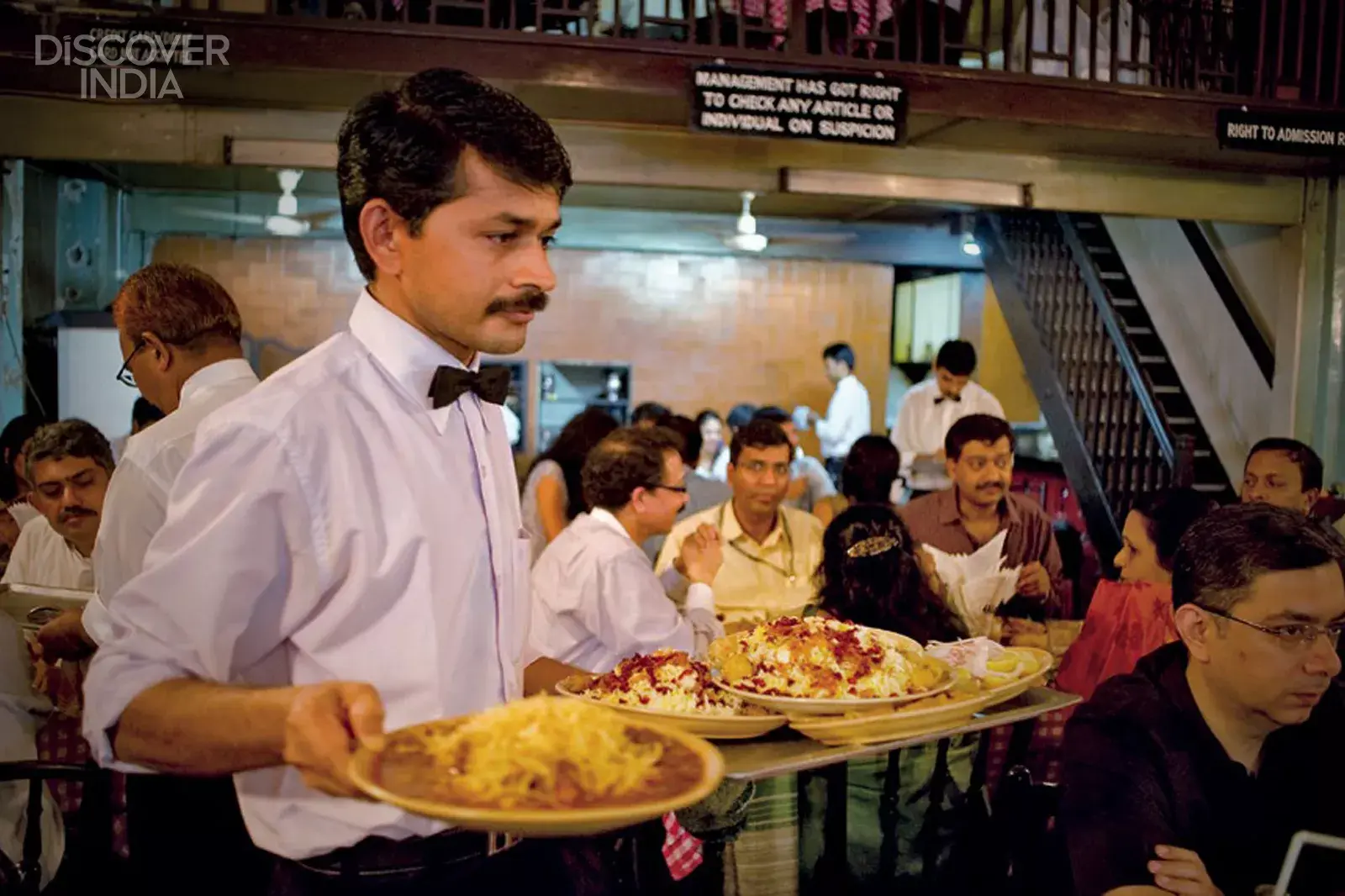
Part of Mumbai’s cosmopolitan spirit is its rich Parsi heritage. Dating back centuries, it is best experienced through the family-run Parsi restaurants that remain in the city.
An iconic example is Britannia & Co. Housed in an atmospheric colonial building in Ballard Estate in the financial district of Fort, the restaurant has been run by the Kohinoor family since 1923. From Irani chai to raspberry soda, dhansak — mutton cooked with lentils and vegetables — to berry pulao, there’s a range of timeless dishes for you to try.
6:00 pm — Sunset at Marine Drive
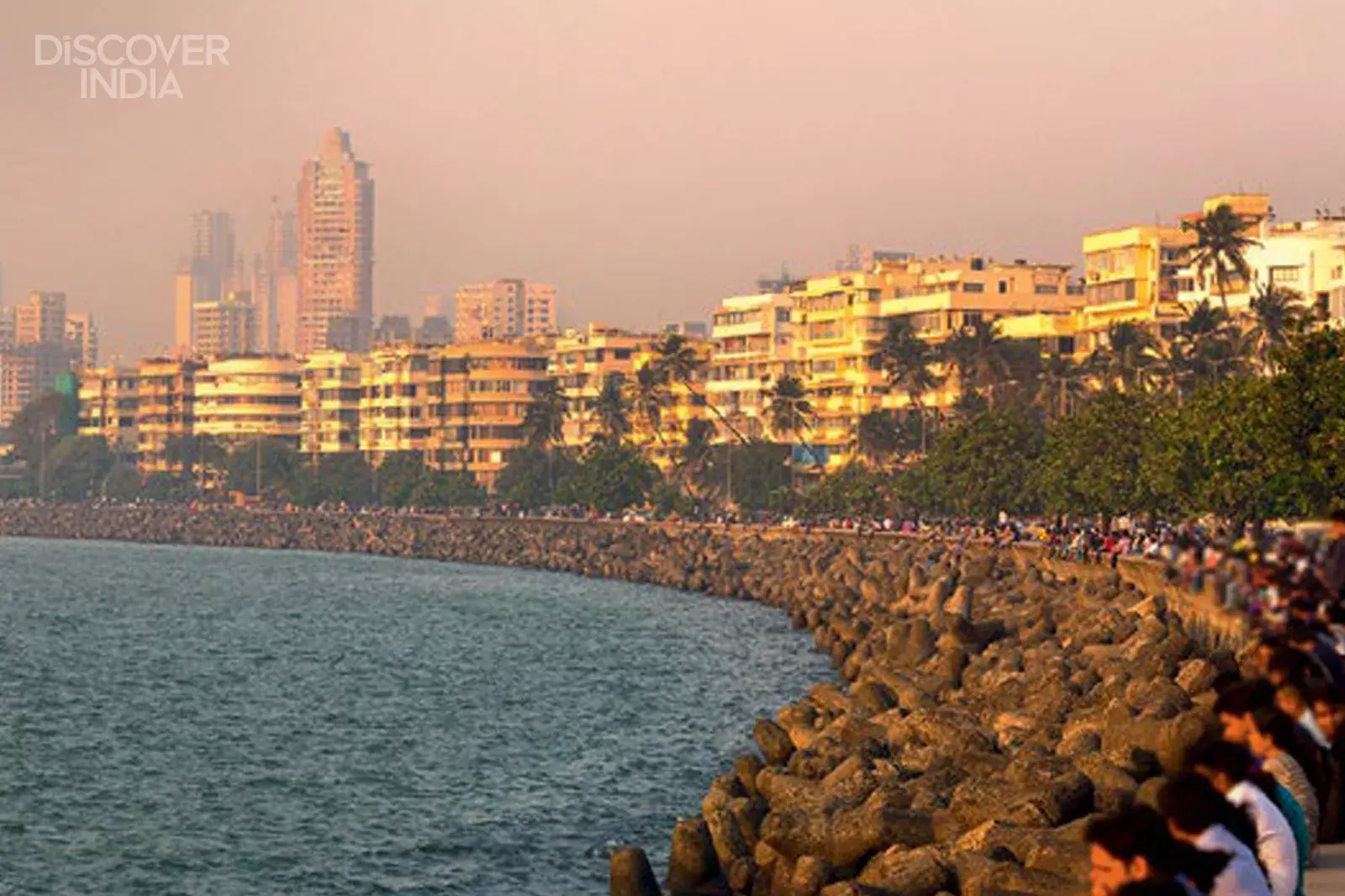
If you wish to slow down and catch a dramatic sunset, visit Marine Drive, along the Netaji Subhash Chandra Bose Road. It is a three-kilometre-long sea-facing promenade in the shape of a semi-circle.
Here, the din of the city gets swallowed by the gently lapping waves of the sea. Grab steaming hot vada pav and cutting chai from one of the many street hawkers to round off the experience.
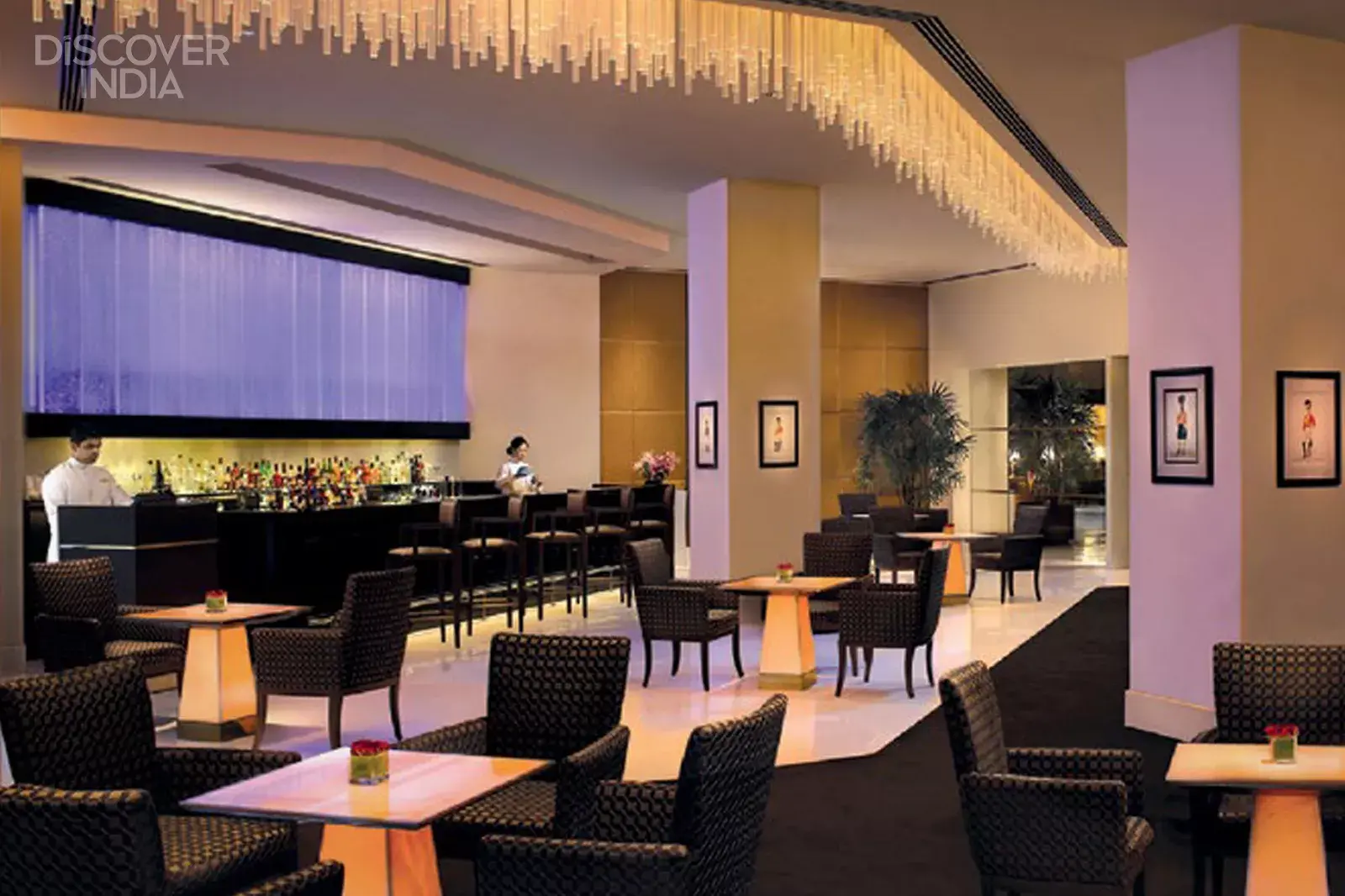
8:00 pm — A Toast to the City
Famously called the Indian city that never sleeps, Mumbai has a rocking nightlife. Your day would be incomplete without a drink in one of the city’s best bars.
Eau Bar at The Oberoi, Mumbai is a perennial favourite of discerning travellers. Art deco interiors, an outdoor deck with ocean views, and live music make for a lively finale to a day in the Maximum City.
Getting There
The Chhatrapati Shivaji Maharaj International Airport is well-connected to major airports around the world as well as domestic airports in India.
Stay
Base yourself in South Mumbai, at The Taj Mahal Palace overlooking the Arabian Sea. Starts from ₹12,500/USD 170.
When
Mumbai attracts travellers round the year, except in months of heavy rainfall, June to September.
Ideal For
Night birds, foodies, and history enthusiasts.
Discover
The Elephanta Caves, situated off the Mumbai Harbour on an island of the same name, is a UNESCO World Heritage Site.
FAQs (Frequently Asked Questions)
The peak season for most parts of India is from October to March when the winter climate is pleasantly cool and dry. Hill stations in the Himalayas are best visited between April and June, while monsoon travel (July to September) offers lush green landscapes in places like Kerala and Goa.
Yes, certain border and tribal areas (such as parts of Ladakh, Sikkim, Arunachal Pradesh, and the Andaman Islands) require an Inner Line Permit (ILP) or Protected Area Permit (PAP). You can obtain these online or through registered local tour operators.
Pack breathable cotton or linen clothing, comfortable walking shoes for palace and fort explorations, sun protection (sunglasses, hat, sunscreen), modest attire for temple visits covering shoulders and knees, and a light jacket for cooler desert or mountain evenings.
You can book authorized government-approved guides at major monument ticket desks, through luxury hotel concierges, or via verified local experiential travel platforms recommended by Discover India.
What Makes Satpura a Different Kind of Safari?
Explore Assam’s Tea Country
What Lies Beyond Goa’s Beaches? A Wild Trail Through Chorao
Would you dare? 25 adventures that will take you to India’s wildest corners
Would you dare? 25 adventures that will take you to India’s wildest corners