What Lies Beyond the Taj Mahal
What if Agra had another Taj Mahal, forgotten cemeteries and a royal connection hiding in plain sight? Step beyond the familiar to uncover the city’s unexpected colonial past and untold stories

- Discover Agra’s Red Taj Mahal, a red sandstone mausoleum built in memory of a Dutch officer.
- Explore the Roman Catholic Cemetery, where European tombs blend Christian symbolism with Mughal and Persian architectural influences.
- Uncover the story of Abdul Karim, Queen Victoria’s Indian companion, whose tomb lies in Agra.
- Admire Agra’s colonial-era architecture at St John’s College, Akbar’s Church and St George’s Cathedral.
- Experience a lesser-known side of Agra through its historic cemeteries, churches and heritage buildings beyond the Taj Mahal.
Introduction
What if I told you I could show you another Taj Mahal in Agra? asks my guide, Yogesh, with infectious enthusiasm.
I am struck by the sheer wealth of history packed into this North Indian city. How many stories can one place hold? And how much of Agra remains hidden behind the fame of its most celebrated monument?
“Not just that,” he adds. “I’ll take you to a few lesser-known places that reveal Agra’s colonial past.”
The prospect intrigues me. Agra is synonymous with Mughal grandeur, but its history extends well beyond marble mausoleums, imposing forts and royal gardens. Dutch and French traders, European soldiers, Christian missionaries and British administrators have all left their mark on the city. Their stories survive in unexpected corners, from forgotten graves and historic churches to educational institutions and colonial-era civic buildings.
I buckle up, ready to explore Agra beyond the Taj Mahal. The day promises a different perspective on a city I thought I knew.
What Makes Agra’s Roman Catholic Cemetery Unique
Our first stop is the Roman Catholic Cemetery, one of Agra’s lesser-known historical landmarks. Away from the crowds that gather around the city’s Mughal monuments, this quiet burial ground holds the graves of European merchants, soldiers and other figures who lived and died in India during the eighteenth and nineteenth centuries.
What catches my attention is the architecture. Although the tombs belong to Christians, many incorporate Islamic and Persian design elements, with red sandstone, domes, ornamental details and inscriptions that reflect the cultural exchanges of their time.
Where to Find the Red Taj Mahal in Agra
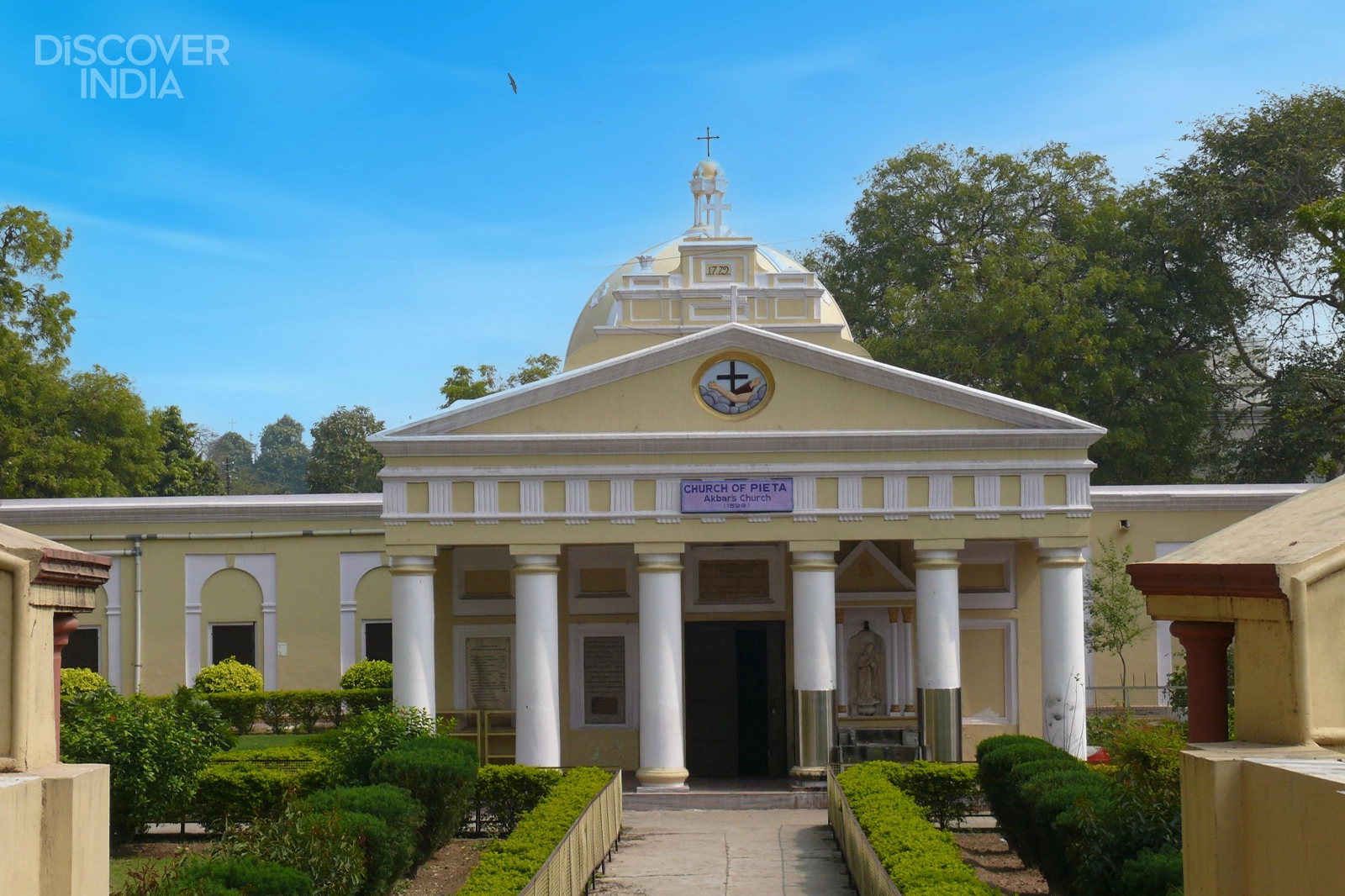
It is here that I encounter the monument Yogesh had promised: the Red Taj Mahal.
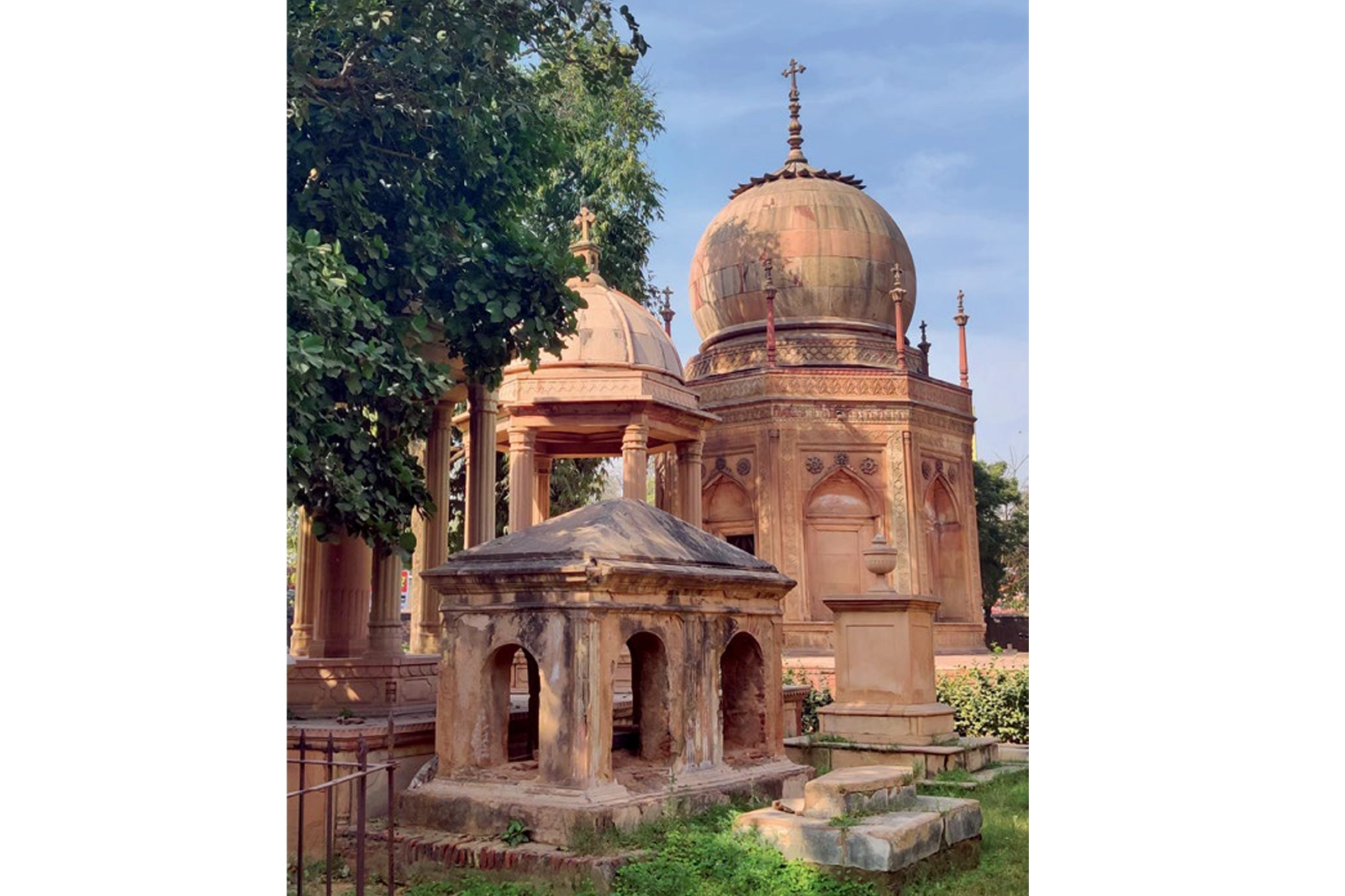
Built in memory of John William Hessing, a Dutch military officer who served the Maratha ruler Mahadji Scindia and later became associated with the command of Agra Fort, the mausoleum was commissioned by his wife, Ann Hessing, after his death in 1803. Unlike the original Taj Mahal, commissioned by Mughal emperor Shah Jahan in memory of Mumtaz Mahal, this smaller memorial was built primarily of red sandstone.
Its colour, proportions and domed silhouette invite the comparison, although the Red Taj Mahal has its own distinct character. It lacks the freestanding minarets that frame the original Taj, but its restrained elegance is no less compelling.
Persian-inspired inscriptions and delicate jali work lend the structure a quiet sophistication. We climb a few steps to look inside the domed mausoleum, where the tomb lies beneath the central chamber. The monument feels less like an imitation and more like a deeply personal expression of grief, shaped by the architectural vocabulary of the region.
What Makes the Ellis Family Tomb in Agra Remarkable
Opposite the Red Taj Mahal stands the octagonal Ellis Family Tomb. Its most striking feature is the cross rising above an Islamic-style dome, an arresting combination of Christian symbolism and Mughal-influenced architecture.
Walking through the cemetery, I find myself drawn to these unlikely juxtapositions. Here, European identities and local artistic traditions coexist in stone. The result is a visual record of a period when people, ideas, religions and architectural styles travelled across continents and took root in unfamiliar settings.
There is none of the eerie atmosphere one might expect from a cemetery. Instead, the grounds invite quiet contemplation. I pause at Marty’s Chapel and learn about John Mildenhall, an English traveller and merchant whose burial in India is associated with the early history of English presence in the country.
The cemetery offers a perspective on Agra that is easy to overlook: the city was not merely a Mughal capital but also a meeting point for people from different parts of the world, each leaving behind traces of a life once lived here.
What Happened to Queen Victoria’s Indian Companion Abdul Karim
As we drive through the city, Yogesh points out sites whose historical significance is scarcely apparent from the road. Some have been absorbed into ordinary neighbourhoods; others survive in a state that makes their past difficult to imagine.
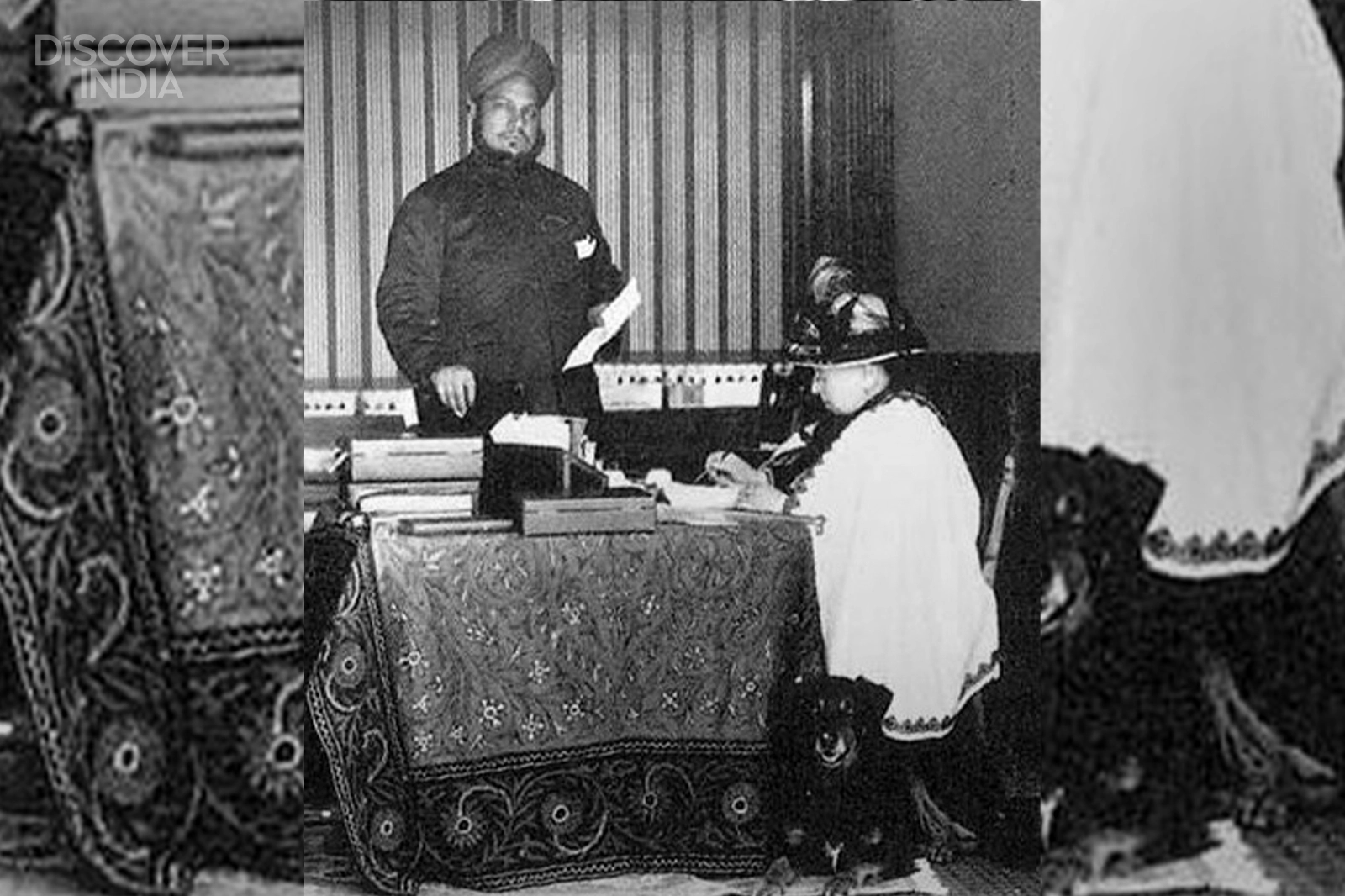
One of the stories he shares concerns Abdul Karim, the Agra-born Indian attendant who became a close companion and teacher to Queen Victoria. Known to the Queen as her Munshi, or language teacher, Karim travelled to Britain in 1887 and eventually became a prominent presence in her household.
Their relationship was later brought to the screen in the 2017 film Victoria & Abdul, starring Judi Dench and Ali Fazal. The film offered a glimpse into a remarkable relationship that crossed the boundaries of empire, class and culture.
Karim received land and other privileges during his years in the Queen’s service. Yet his story took a different turn after Victoria’s death in 1901, when he returned to India.
We make our way to the Royal Graveyard in Agra, where his tomb lies away from the more frequented tourist routes. At the time of my visit, the approach is overgrown, and the grave appears neglected, its green surface dulled by layers of dust. A caretaker quietly points out the epitaph.
The contrast is difficult to ignore. A man who once occupied an extraordinary position in the British royal household rests in a place that receives little attention. I find the sight unexpectedly moving.
Karim is also remembered locally for his association with educational philanthropy, including a land donation linked to the Queen Victoria Girls College in Agra. His story adds a deeply human dimension to the city’s colonial history, reminding me that the legacy of empire is made up not only of grand buildings and official records but also of complicated lives and unequal power.
Where to See Colonial-Era Architecture in Agra
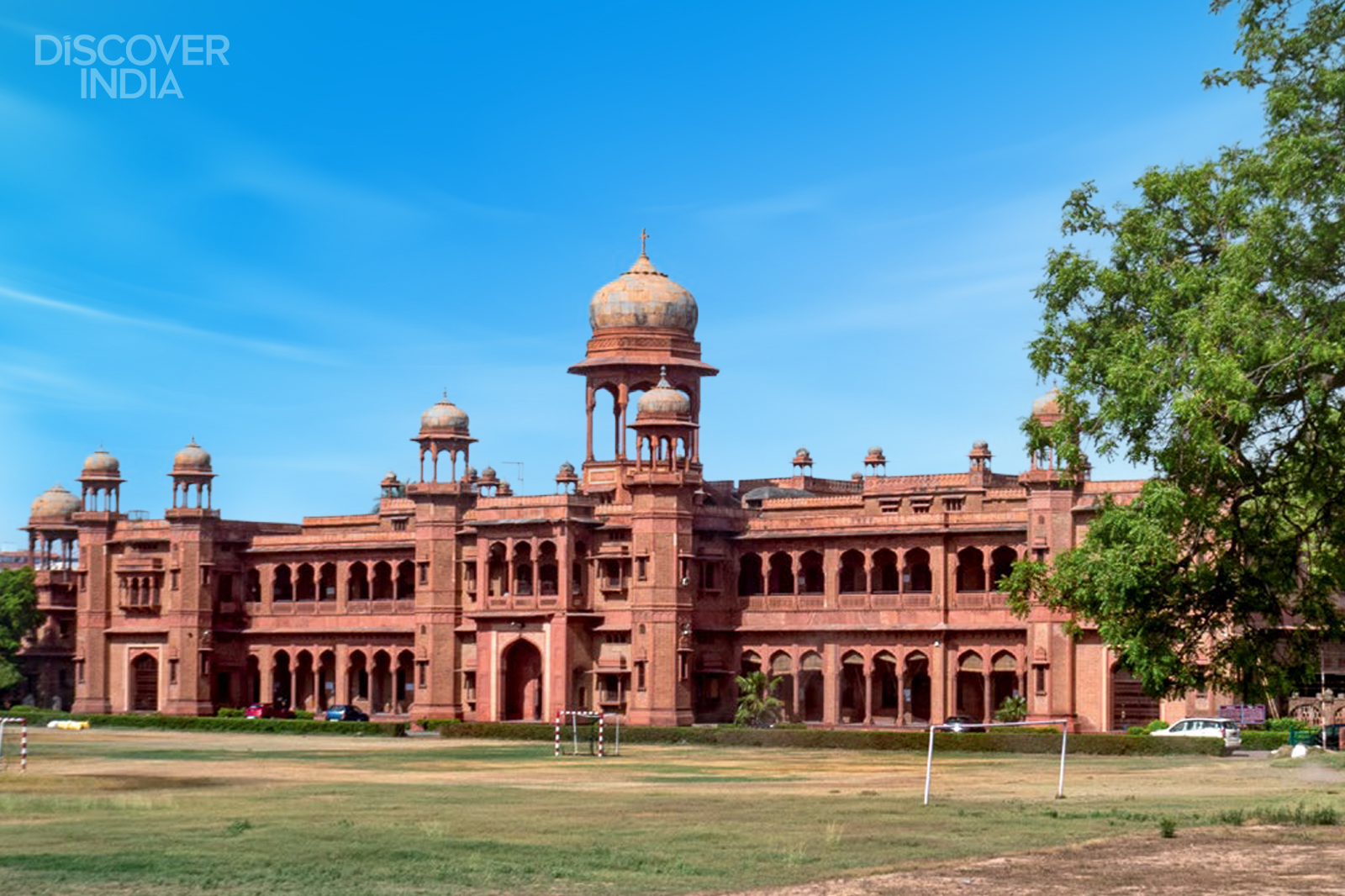
Our next stop is St John’s College, Agra, established in 1850 through the Church Missionary Society of England and the Agra C.M.S. Association. Today, the institution continues to function as a college affiliated with Dr Bhimrao Ambedkar University.
The historic campus offers a glimpse of the architectural and educational legacy of nineteenth-century Agra. Its imposing buildings and landscaped grounds stand apart from the bustle of the surrounding city, while their design reflects the changing architectural vocabulary of the colonial period.
The college is also a reminder of how missionary institutions shaped education in British India. Its history stretches across different phases of the country’s educational development, from the early years of colonial rule to the establishment of modern Indian universities.
We then head towards Agra’s Head Post Office, another landmark that is easy to miss if one is not looking for it. Dating to the early twentieth century, the building reflects the civic architecture of the British era. Its red-and-white exterior, bungalow-like proportions and prominent central dome give it a distinctive presence.
The building’s heritage value lies in the way it brings the everyday history of the city into focus. Unlike a royal tomb or a monumental fort, a post office speaks of communication, administration and the networks that connected people across a vast country. It is a reminder that history is often preserved in buildings that continue to serve a practical purpose long after the era that shaped them has passed.
The churches of Agra
The best way to conclude our exploration of Agra’s colonial heritage, I decide, is with a visit to its historic churches.
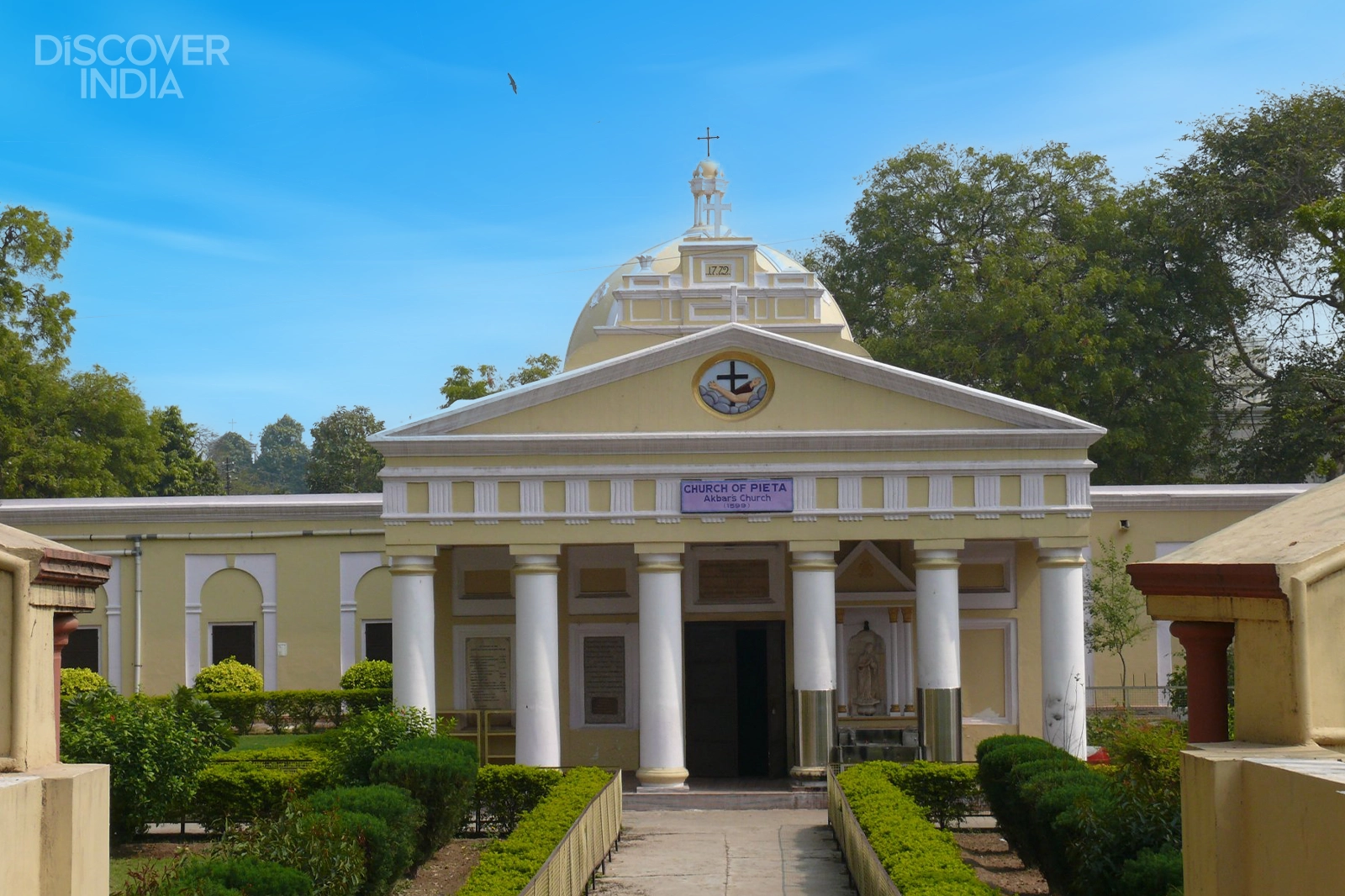
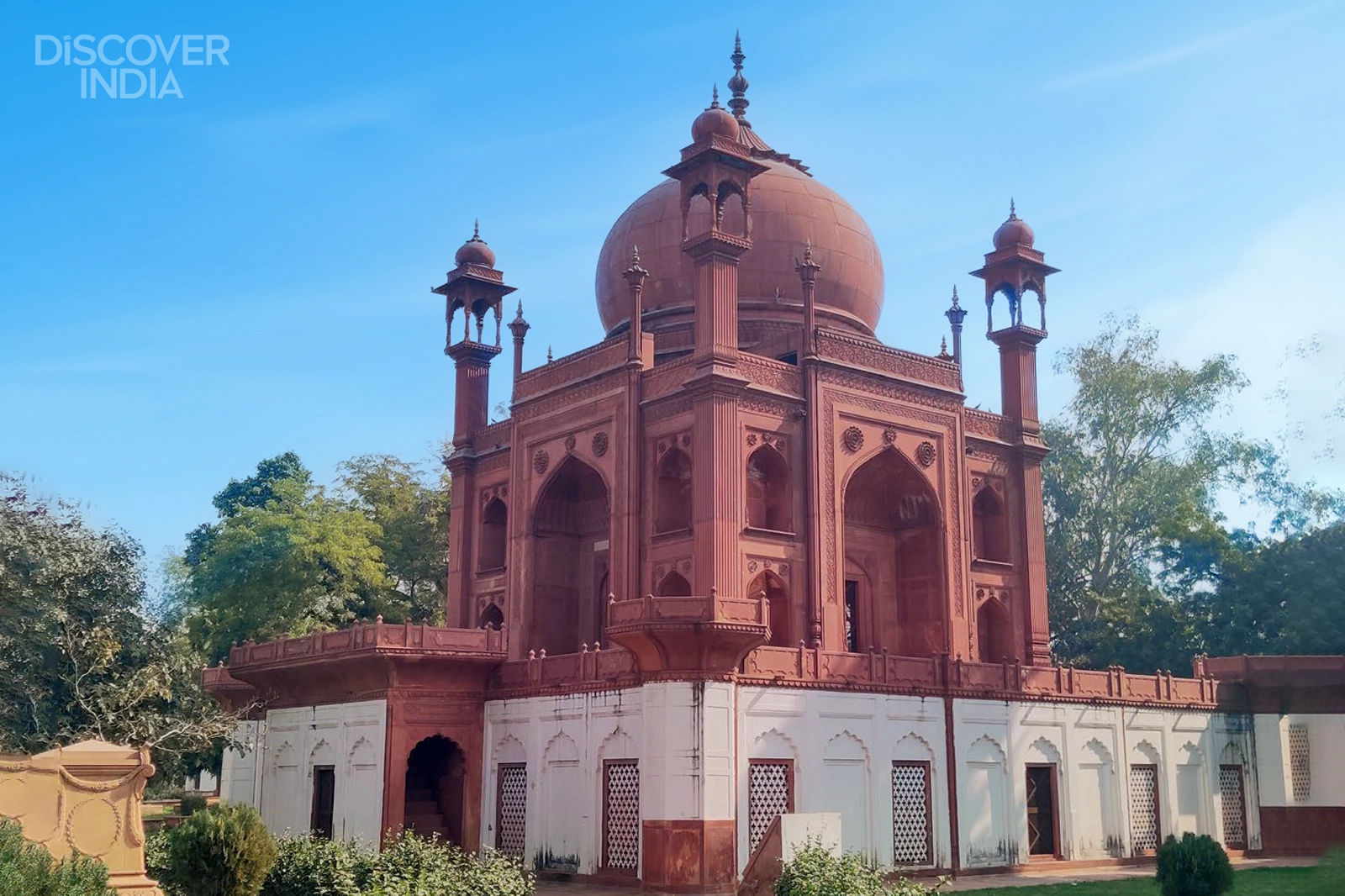
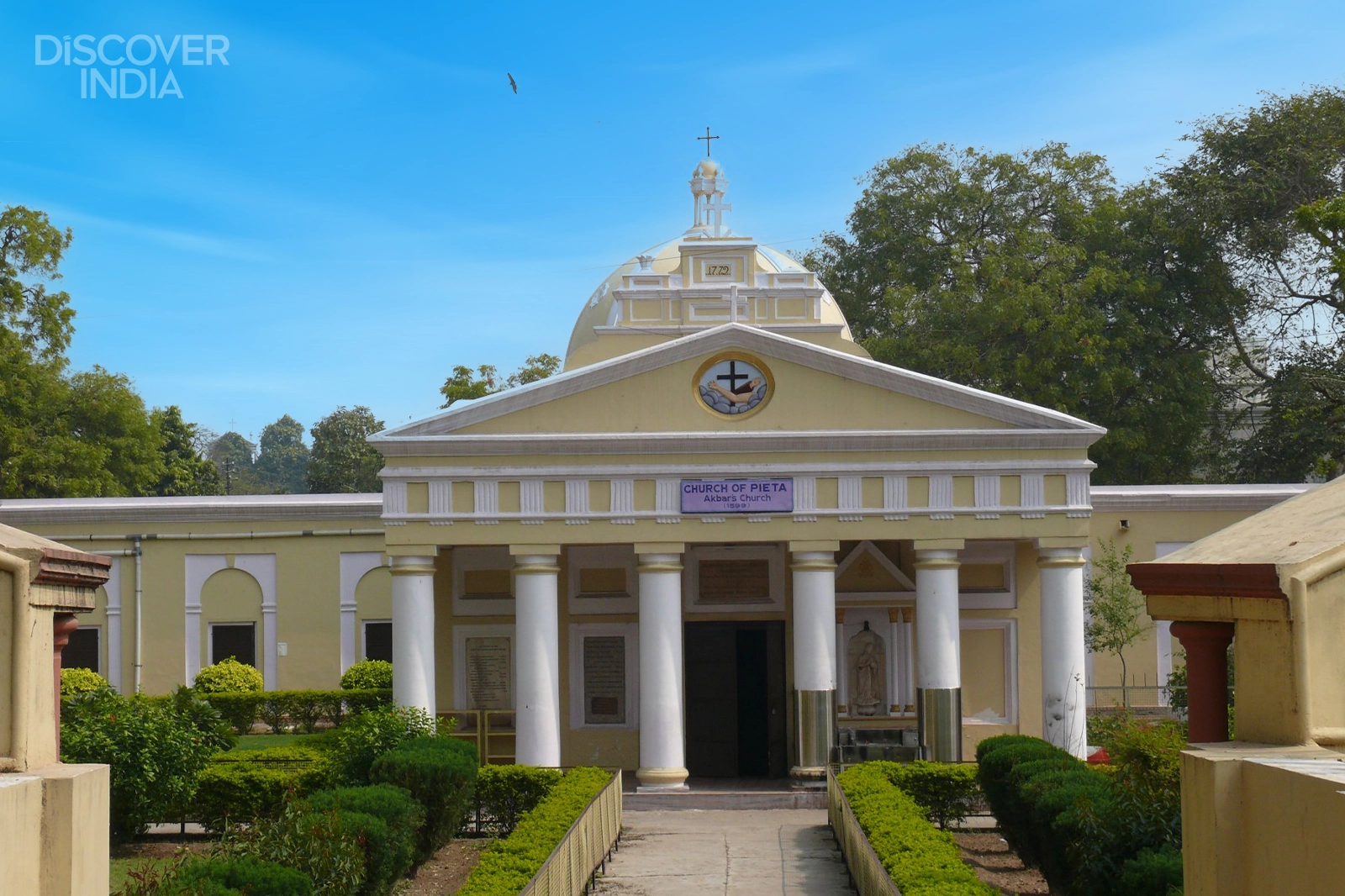
Our first stop is Akbar’s Church, associated with the early history of Catholicism in Mughal India. The original church dates to 1598, when the Mughal emperor Akbar permitted the Jesuits to establish a Christian place of worship in Agra. It became an important centre for the city’s Catholic community.
The church’s history, however, was far from straightforward. Following the conflict between the Mughal court and the Portuguese in the seventeenth century, the original structure was dismantled under Shah Jahan. It was subsequently rebuilt, and the church underwent further changes over the centuries.
Today, it survives within the wider St Peter’s Church complex, preserving a connection to a period when the Mughal court engaged with religious traditions beyond its own. Akbar’s interest in discussions with representatives of different faiths is well documented, and the church forms part of that wider history of encounter, diplomacy and cultural exchange.
Standing here, I am reminded that Agra’s history cannot be neatly divided into separate Mughal and colonial chapters. The city’s religious and architectural landscape reflects centuries of interaction, conflict and adaptation.
Where to Find St George’s Cathedral in Agra
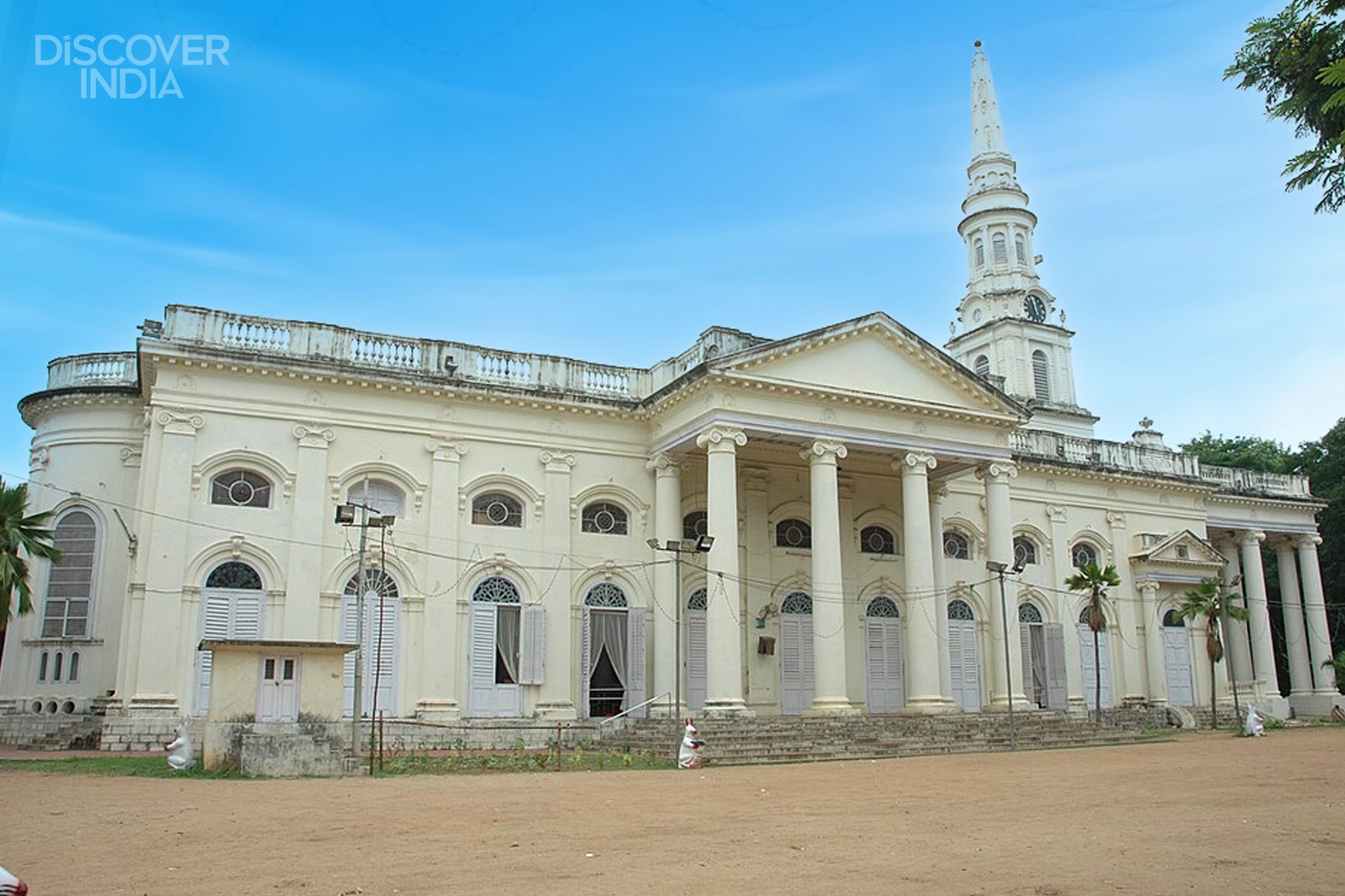
Our final stop is St George’s Cathedral, located in Agra Cantonment. Established in 1828, the church is a striking example of the religious architecture associated with the British military presence in the city.
Its soaring spire, ochre-toned exterior and white architectural detailing distinguish it from the Mughal monuments for which Agra is famous. The structure has a very different visual vocabulary, yet it sits comfortably within the city’s larger architectural story.
As I look up at the cathedral, I think back to the day’s discoveries: a red sandstone tomb inspired by the Taj Mahal, a cemetery where European graves bear the influence of Islamic design, the neglected resting place of Queen Victoria’s Munshi, and institutions that have outlived the empires that shaped them.
Agra has revealed a side of itself that is quieter, less celebrated and deeply layered.
I realise that I have spent an entire day in Agra without once thinking about visiting the Taj Mahal. And perhaps that is the most surprising discovery of all.
How to Plan a Colonial Heritage Tour of Agra
How to Reach Agra from Delhi and Other Indian Cities
Agra is well connected to Delhi and several major Indian cities by road and rail. Agra Cantt is the principal railway station, with services connecting the city to destinations across the country. Agra Fort and other stations also serve selected routes.
The Yamuna Expressway connects Delhi and Agra by road, making the city accessible for a weekend break or a longer heritage itinerary. Travel time varies with traffic and the point of departure.
Agra’s Kheria Airport handles limited commercial services, so flight schedules should be checked before planning a trip. Delhi remains a practical alternative for many travellers arriving by air, followed by a road or rail transfer to Agra.
Which are the Best Places to Stay in Agra
For a comfortable base, Hotel Clarks Shiraz offers accommodation, dining and access to the city’s major attractions. Courtyard by Marriott Agra is another option, with contemporary rooms and facilities suited to leisure travellers.
Rates and availability vary by season and booking date. Travellers seeking a more immersive heritage experience can choose accommodation that makes it convenient to explore both Agra’s celebrated Mughal monuments and its lesser-known historic neighbourhoods.
Best Time to Visit Agra for Sightseeing and Heritage Walks
October to March is generally the most comfortable period for exploring Agra. Cooler weather makes it easier to spend time outdoors, visit historic cemeteries and churches, and explore the city’s architectural landmarks.
Early mornings are particularly rewarding for heritage walks, while winter afternoons can be ideal for visiting sites that require more time on foot. Summer temperatures can be intense, so outdoor excursions are best planned around the cooler hours.
What Other Historic Places Can You Visit in Agra
Agra offers a rich mix of Mughal, religious, architectural and cultural attractions that can complement a colonial heritage tour.
- Jama Masjid: Built during Shah Jahan’s reign and associated with his daughter Jahanara Begum, this imposing mosque remains an important landmark near Agra Fort.
- Mankameshwar Mahadev Temple: A historic Shiva temple in the old city, known for its religious significance and silver-covered shrine.
- Rawatpara spice market: Explore the aromas, colours and activity of one of Agra’s traditional trading neighbourhoods.
- Kinari Bazaar: Browse textiles, wedding accessories, decorative items and traditional wares in the bustling lanes of the old city.
- Namak Mandi: Discover Agra’s traditional metal-leaf craft, including the preparation of delicate edible silver and gold foil.
- Wildlife SOS Bear Rescue Centre: Learn about the rescue and rehabilitation of sloth bears through the conservation organisation’s visitor and education programmes. Check current access arrangements and booking requirements before visiting.
The Taj Mahal, Agra Fort and the Tomb of Itimad-ud-Daulah remain essential stops for first-time visitors. However, travellers with an interest in history and architecture will find that Agra rewards those who venture beyond its best-known monuments.
How to Explore Agra’s Colonial Heritage Trail
This itinerary is especially suited to travellers interested in colonial history, architectural conservation, religious heritage, photography and lesser-known cultural experiences. It can also appeal to repeat visitors who have already explored the Taj Mahal and Agra Fort and want to understand the city through a different lens.
Travel tip: Some cemeteries, churches and educational institutions are active religious or institutional spaces rather than conventional tourist attractions. Confirm access in advance, seek permission where required, and follow local guidelines for photography and respectful visits.

FAQs (Frequently Asked Questions)
The peak season for most parts of India is from October to March when the winter climate is pleasantly cool and dry. Hill stations in the Himalayas are best visited between April and June, while monsoon travel (July to September) offers lush green landscapes in places like Kerala and Goa.
Yes, certain border and tribal areas (such as parts of Ladakh, Sikkim, Arunachal Pradesh, and the Andaman Islands) require an Inner Line Permit (ILP) or Protected Area Permit (PAP). You can obtain these online or through registered local tour operators.
Pack breathable cotton or linen clothing, comfortable walking shoes for palace and fort explorations, sun protection (sunglasses, hat, sunscreen), modest attire for temple visits covering shoulders and knees, and a light jacket for cooler desert or mountain evenings.
You can book authorized government-approved guides at major monument ticket desks, through luxury hotel concierges, or via verified local experiential travel platforms recommended by Discover India.
Explore Assam’s Tea Country
One Sweet Day in Mumbai
What Lies Beyond Goa’s Beaches? A Wild Trail Through Chorao

Would you dare? 25 adventures that will take you to India’s wildest corners
Would you dare? 25 adventures that will take you to India’s wildest corners